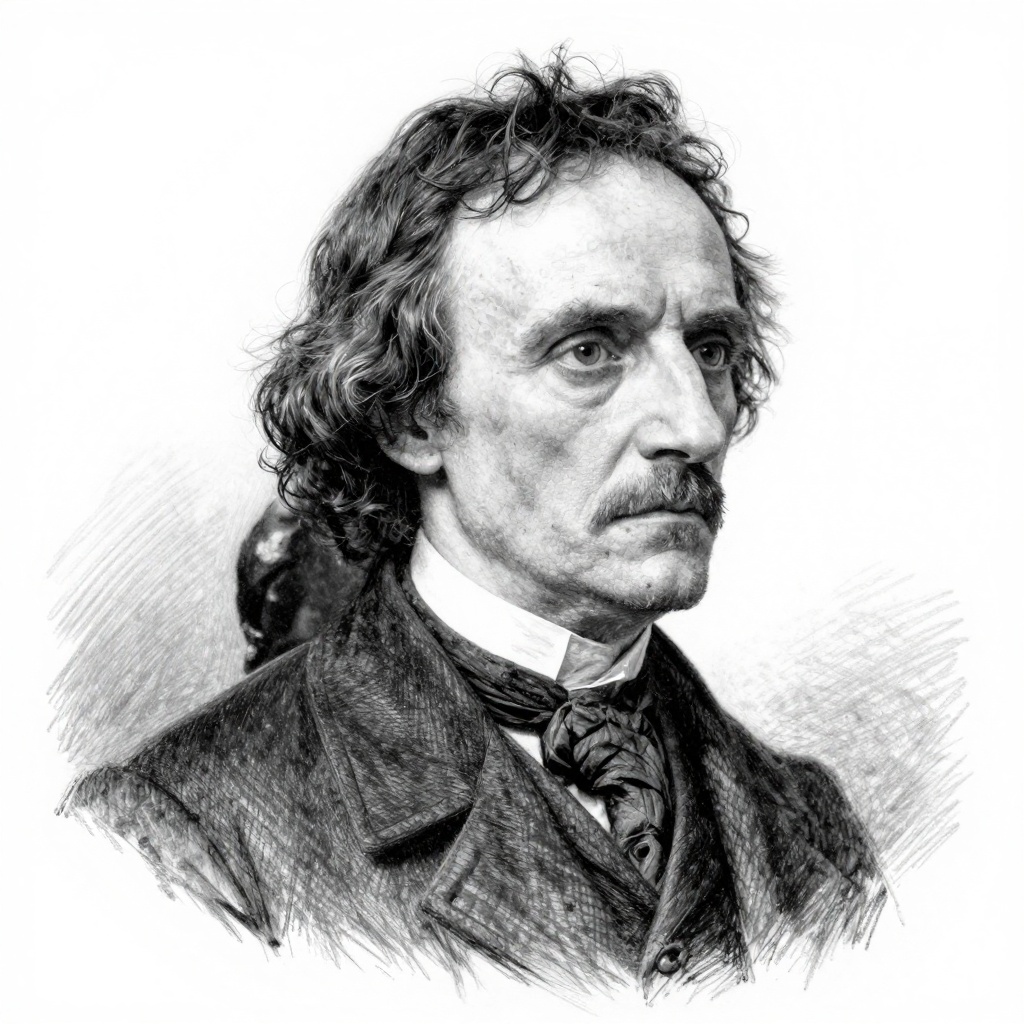
Experience has shown, and a true philosophy will always show, that a vast, perhaps the larger portion of the t... — Edgar Allan Poe

Experience has shown, and a true philosophy will always show, that a vast, perhaps the larger portion of the truth arises from the seemingly irrelevant.

Author: Edgar Allan Poe

Insight: We live in an age of efficiency, where everything is supposed to matter. We highlight the important stuff, optimize the important conversations, and treat distractions as obstacles. But Poe's observation hints at something messier and truer: some of the best thinking happens in the margins. Think about how insights actually arrive. You're not usually staring directly at a problem when the answer clicks into place—you're in the shower, or distracted by something small and odd, or following a tangent nobody asked you to explore. A weird conversation with a stranger. A childhood memory that surfaces for no good reason. A book you grabbed on impulse. These moments feel irrelevant precisely because they didn't arrive through proper channels. Yet they often reshape how you understand what matters. That's because truth doesn't always live in the spotlight. Sometimes it hides in the overlooked detail, the throwaway comment, the silly question nobody thought was worth asking. The practical upshot: the moments you dismiss as wasted time or tangents might actually be where real understanding gets built. Before dismissing something as irrelevant, it's worth asking whether it might be teaching you something you didn't plan to learn.

Truth hides in the margins

Experience has shown, and a true philosophy will always show, that a vast, perhaps the larger portion of the truth arises from the seemingly irrelevant.

We live in an age of efficiency, where everything is supposed to matter. We highlight the important stuff, optimize the important conversations, and treat distractions as obstacles. But Poe's observation hints at something messier and truer: some of the best thinking happens in the margins.

Think about how insights actually arrive. You're not usually staring directly at a problem when the answer clicks into place—you're in the shower, or distracted by something small and odd, or following a tangent nobody asked you to explore. A weird conversation with a stranger. A childhood memory that surfaces for no good reason. A book you grabbed on impulse. These moments feel irrelevant precisely because they didn't arrive through proper channels. Yet they often reshape how you understand what matters. That's because truth doesn't always live in the spotlight. Sometimes it hides in the overlooked detail, the throwaway comment, the silly question nobody thought was worth asking.

The practical upshot: the moments you dismiss as wasted time or tangents might actually be where real understanding gets built. Before dismissing something as irrelevant, it's worth asking whether it might be teaching you something you didn't plan to learn.

AI generated

Comments

Sign in to leave a comment or reply to one.

Sign in

Edgar Allan Poe

Edgar Allan Poe (1809–1849) was an American writer known for his dark and macabre short stories and poetry. He is considered a master of Gothic fiction and is famous for works such as "The Tell-Tale Heart," "The Raven," and "The Fall of the House of Usher." Poe's writings have had a lasting impact on literature and have influenced the development of the detective fiction genre.

Graph

Related