Quote · Added 14 February 2026
I would define, in brief, the poetry of words as the rhythmical creation of Beauty.
Edgar Allan PoeThe Poetic Principle, The Works of Edgar Allan Poe, 1850
Quote · Added 14 February 2026
There's something almost uncomfortable about Poe's definition because it strips poetry down to something almost mechanical—rhythm and beauty, nothing more. No mention of truth, or moral instruction, or even meaning. Just the sound and the feeling of it. But that's exactly why it matters now, when we're drowning in information and urgency. We read constantly: emails, news, explanations, arguments. We're always chasing what something means. Poetry, by Poe's definition, gives us permission to want something different—to crave the experience of language itself, the way certain words bump against each other, the breath you take at a line break.
The "rhythmical creation" part is key. Poetry isn't about finding beauty that already exists; it's about making it through deliberate choice and repetition. That's why even a fragment of a poem can stick in your head for years while an entire article dissolves the moment you close the browser. When you read something with real rhythm—language that actually moves—your body responds before your brain catches up. You don't have to understand it to feel it working.
In a world obsessed with efficiency and clear messaging, there's quiet rebellion in insisting that beauty, created through careful sound, is enough.
1809–1849·lived 40 years
Edgar Allan Poe (1809–1849) was an American writer known for his dark and macabre short stories and poetry. He is considered a master of Gothic fiction and is famous for works such as "The Tell-Tale Heart," "The Raven," and "The Fall of the House of Usher." Poe's writings have had a lasting impact on literature and have influenced the development of the detective fiction genre.
Also by Edgar Allan Poe
Never to suffer would never to have been blessed.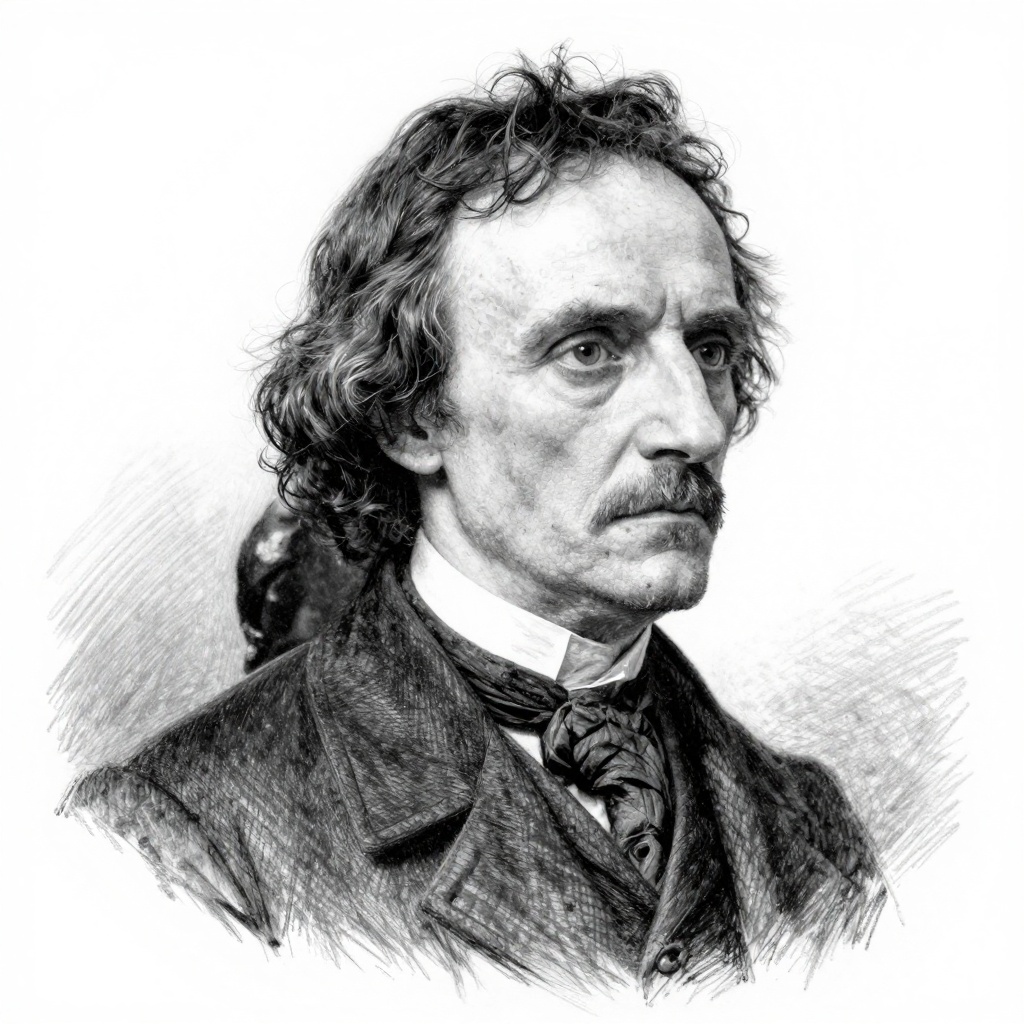
Comments