Quote · Added 14 February 2026
Beauty of whatever kind, in its supreme development, invariably excites the sensitive soul to tears.
Edgar Allan PoeThe Philosophy of Composition, 1846
Filed underbeauty·emotion·sensitivity
Quote · Added 14 February 2026
Filed underbeauty·emotion·sensitivity
We usually think of crying as something that happens when we're broken or devastated. But Poe is pointing at a different kind of tears—the ones that come when you encounter something so perfectly made or arranged that your chest tightens. Maybe it's a piece of music that hits exactly right, or a photograph that captures something you've always felt but never seen. Your body responds before your mind can explain it.
The tricky part is that this kind of beauty doesn't require grandeur. It can happen in a small moment: the way light falls through a window, a conversation that feels completely honest, the last chapter of a book you've lived inside. The more attuned you are to noticing these things—the more "sensitive" your soul actually is—the more often you'll find yourself unexpectedly moved. That vulnerability isn't weakness. It's evidence that you're actually paying attention to the world.
What makes this observation useful now is that we're surrounded by constant stimulation designed to grab our attention. Real beauty is quieter. It requires you to slow down enough to feel the difference between what's engineered to impress and what genuinely matters. That capacity to be moved—to cry at beauty—might be one of the most underrated signs that you're living consciously.
1809–1849·lived 40 years
Edgar Allan Poe (1809–1849) was an American writer known for his dark and macabre short stories and poetry. He is considered a master of Gothic fiction and is famous for works such as "The Tell-Tale Heart," "The Raven," and "The Fall of the House of Usher." Poe's writings have had a lasting impact on literature and have influenced the development of the detective fiction genre.
Also by Edgar Allan Poe
Never to suffer would never to have been blessed.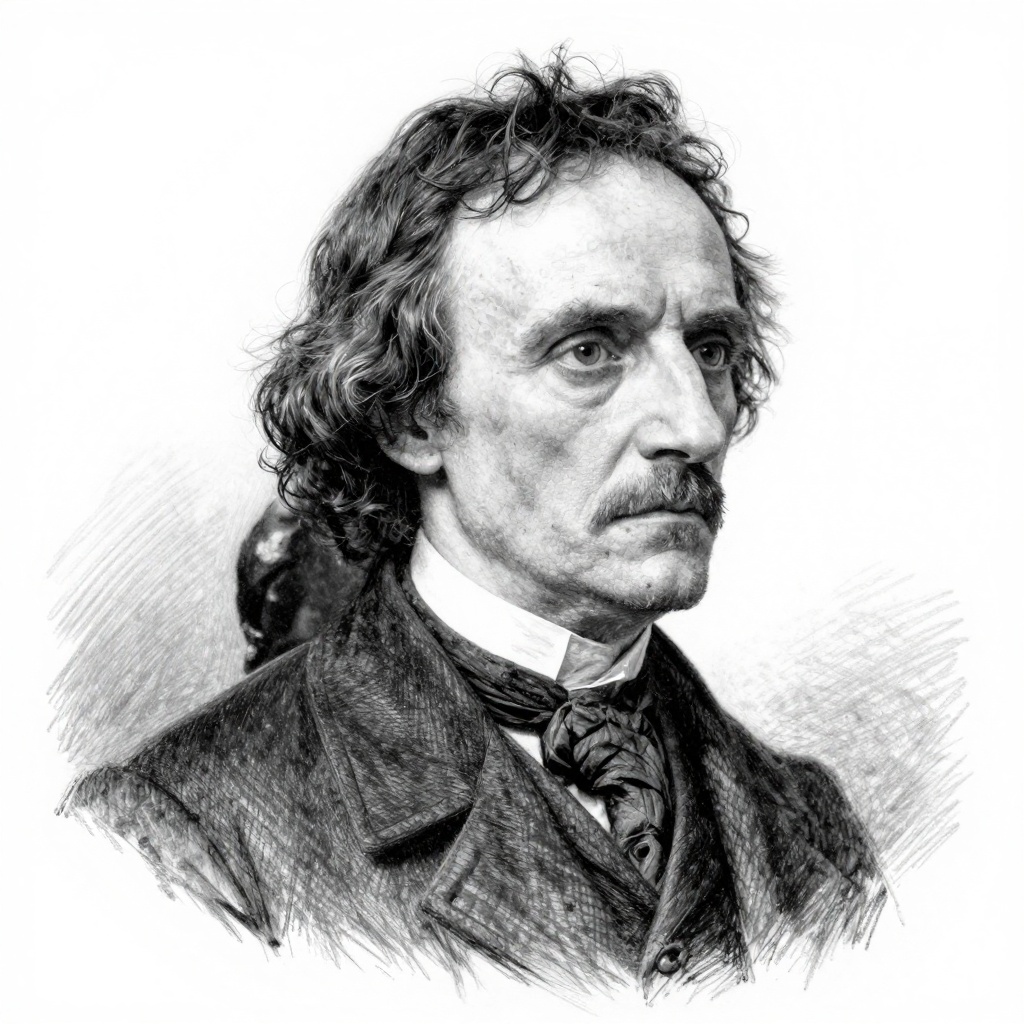
Comments