Quote · Added 15 February 2026
If I take care of my character, my reputation will take care of me.
Filed undercharacter·reputation·integrity
Quote · Added 15 February 2026
Filed undercharacter·reputation·integrity
There's something quietly radical about this idea—that you shouldn't spend energy managing what people think of you. Instead, just build who you actually are. It flips the anxiety most of us carry around, where we're constantly aware of how we're being perceived, adjusting ourselves, wondering if we said the right thing in that meeting or group chat.
The insight is that character and reputation aren't the same thing, even though we treat them like they are. Your character is what you do when nobody's watching—your choices, your consistency, how you treat people who can't do anything for you. Your reputation is what others say about you, which you have surprisingly little control over. So the exhausting game of reputation management is basically trying to control something you can't, while neglecting the one thing you actually can control.
What makes this relevant now isn't complicated. In a world of performative social media and personal branding, people are burnt out from curating their image. But the people we actually trust and respect aren't performing—they're just consistently themselves. That reliability, that integrity, eventually speaks louder than any carefully crafted narrative you could build. The paradox is that the path to a good reputation runs through not worrying about it.
1837–1899·lived 62 years
Dwight L. Moody (1837-1899) was an American evangelist and publisher who founded the Moody Church in Chicago and established the Moody Bible Institute. He is renowned for his powerful preaching and extensive outreach efforts, which significantly influenced the evangelical movement in the United States during the 19th century. Moody's work emphasized personal faith, biblical literacy, and the importance of evangelism.
Also by Dwight L. Moody
Preparation for old age should begin not later than one's teens. A life which is empty of...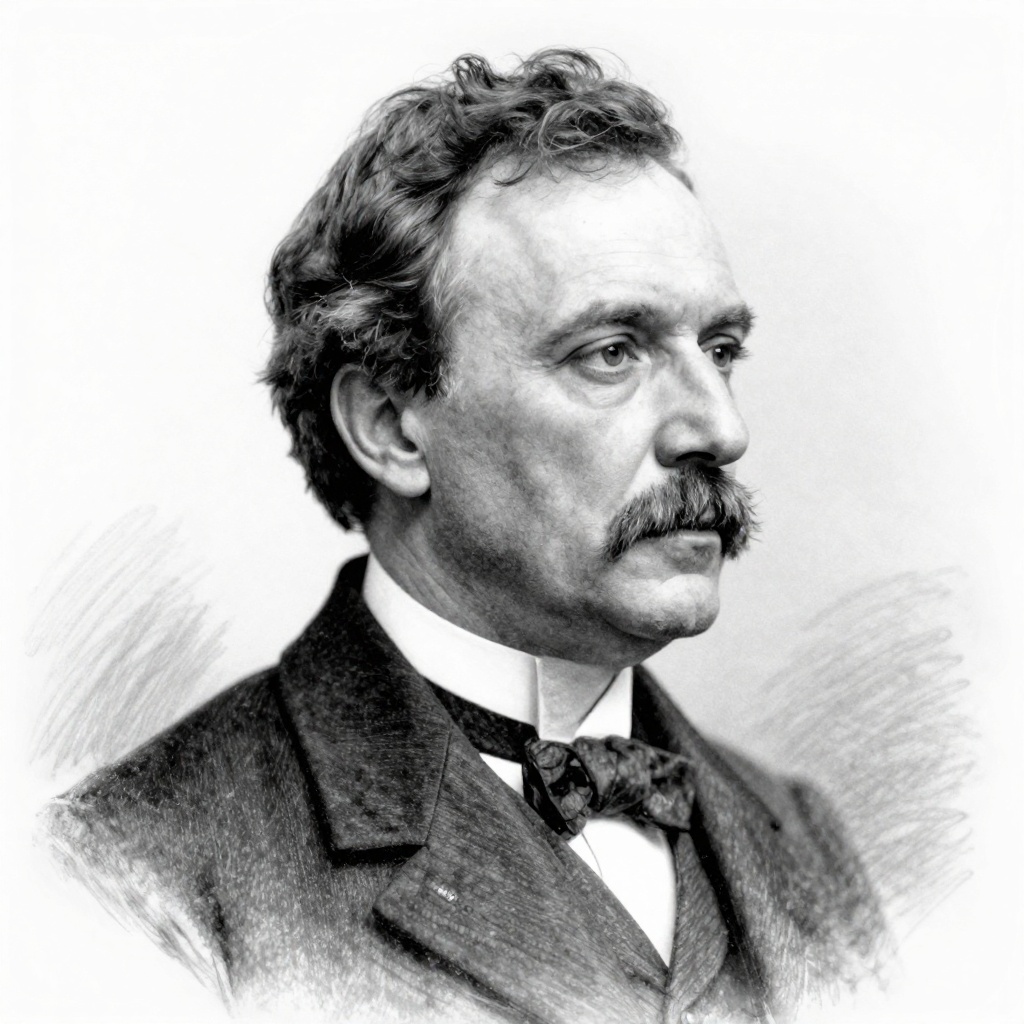
Comments