Quote · Added 15 February 2026
Preparation for old age should begin not later than one's teens. A life which is empty of purpose until 65 will not suddenly become filled on retirement.
Filed underage·purpose·preparation
Quote · Added 15 February 2026
Filed underage·purpose·preparation
Most of us treat retirement like a destination we'll finally reach someday, assuming life will magically get better once we stop working. But this quote cuts through that fantasy: you can't suddenly become a person with purpose and direction just by changing your calendar. If your entire adult life has been defined by what you have to do rather than what you actually want to do, retirement won't fix that. It's like expecting to become a musician on day one of retirement after never touching an instrument.
The tricky part is that purpose gets built in small, unglamorous ways—through hobbies you actually pursue, relationships you tend to, skills you develop, and interests you take seriously. These things seem optional when you're young and busy, which is exactly why waiting until later doesn't work. By the time you have time on your hands, the muscle for creating meaning has atrophied. People who thrive in retirement didn't suddenly discover what matters to them at 65; they've been quietly building it all along.
This doesn't mean your job has to feel purposeful. It means weaving intentional things throughout your years—the habits, connections, and curiosities you actually care about—so that when you do have freedom, you know what to do with it.
1837–1899·lived 62 years
Dwight L. Moody (1837-1899) was an American evangelist and publisher who founded the Moody Church in Chicago and established the Moody Bible Institute. He is renowned for his powerful preaching and extensive outreach efforts, which significantly influenced the evangelical movement in the United States during the 19th century. Moody's work emphasized personal faith, biblical literacy, and the importance of evangelism.
Also by Dwight L. Moody
If I take care of my character, my reputation will take care of me.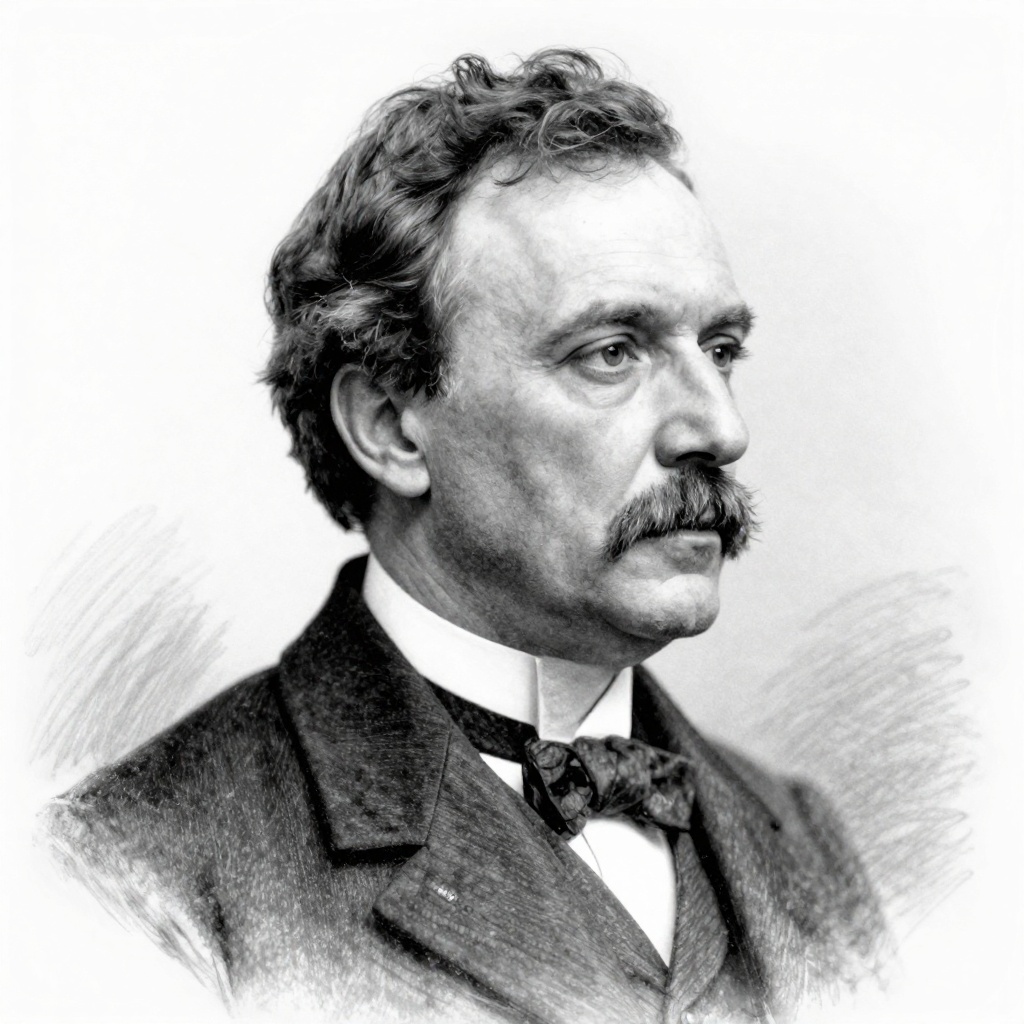
Comments