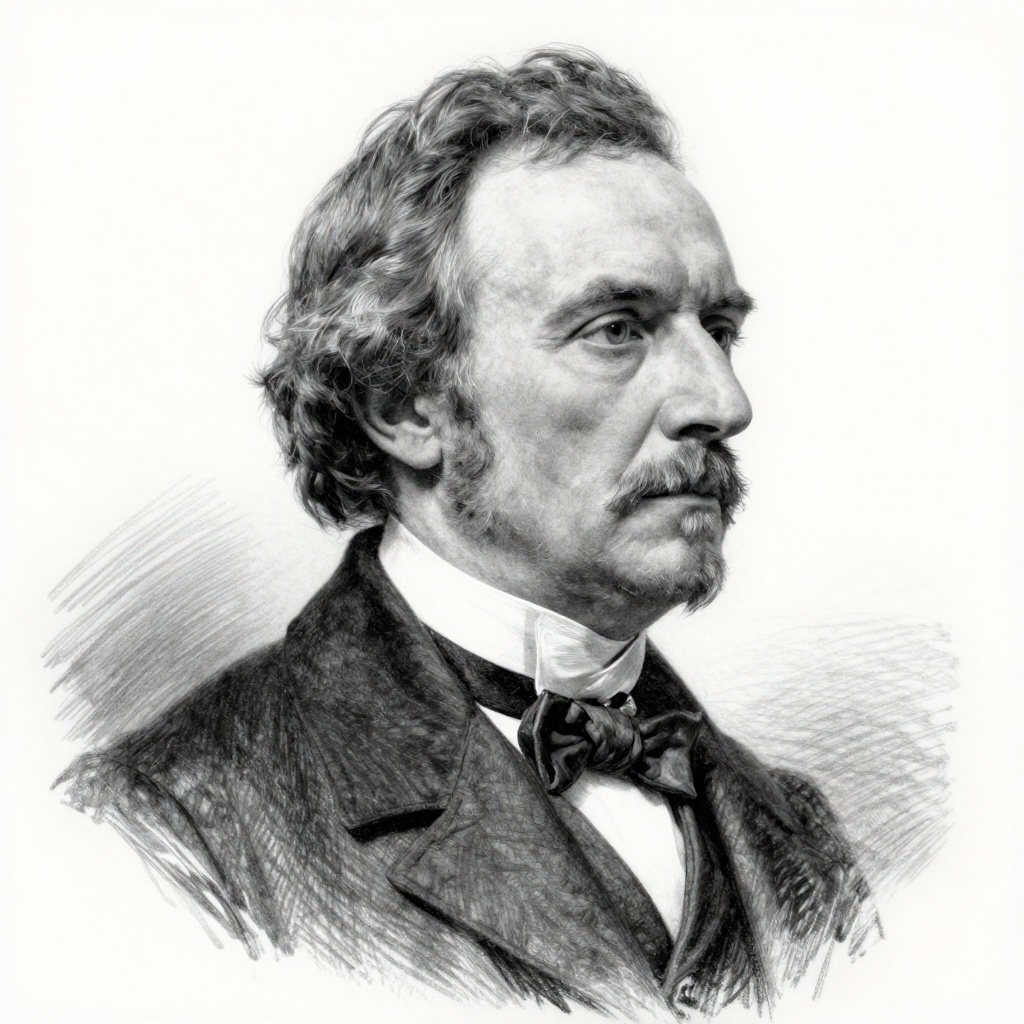
The most important thought that ever occupied my mind is that of my individual responsibility to God. — Daniel Webster

The most important thought that ever occupied my mind is that of my individual responsibility to God.

Author: Daniel Webster

Insight: Most of us live with a loose collection of external pressures—what our boss expects, what our family needs, what society seems to demand. But there's a particular kind of freedom that comes from flipping the question around: instead of asking "What do people want from me?" you ask "What am I actually responsible for?" That shift is what Webster is pointing to, except he roots it in something bigger than just personal accountability. He's saying the weight that matters most isn't the judgment of the crowd—it's the one you carry internally, tied to something transcendent. This still hits differently today because we're drowning in feedback. Your phone buzzes with comments, ratings, reactions. It's easy to lose track of the quiet voice underneath all that noise—your own sense of what's right, what you actually owe to the world and to yourself. Webster's insight suggests that clarity about that internal compass is worth more than a hundred external validations. When you stop trying to manage everyone else's opinion of you and instead focus on living up to your own deeper standards, something shifts. The anxiety doesn't always disappear, but it becomes more purposeful. You're not spinning; you're anchored.

Your compass matters more than applause

The most important thought that ever occupied my mind is that of my individual responsibility to God.

Most of us live with a loose collection of external pressures—what our boss expects, what our family needs, what society seems to demand. But there's a particular kind of freedom that comes from flipping the question around: instead of asking "What do people want from me?" you ask "What am I actually responsible for?" That shift is what Webster is pointing to, except he roots it in something bigger than just personal accountability. He's saying the weight that matters most isn't the judgment of the crowd—it's the one you carry internally, tied to something transcendent.

This still hits differently today because we're drowning in feedback. Your phone buzzes with comments, ratings, reactions. It's easy to lose track of the quiet voice underneath all that noise—your own sense of what's right, what you actually owe to the world and to yourself. Webster's insight suggests that clarity about that internal compass is worth more than a hundred external validations. When you stop trying to manage everyone else's opinion of you and instead focus on living up to your own deeper standards, something shifts. The anxiety doesn't always disappear, but it becomes more purposeful. You're not spinning; you're anchored.

AI generated

Comments

Sign in to leave a comment or reply to one.

Sign in

Daniel Webster

Daniel Webster was an American statesman and lawyer known for his powerful speeches and contributions to American politics in the early 19th century. He served as a U.S. Senator, Secretary of State, and played a key role in many significant debates and negotiations, including the Webster-Hayne debate and the Compromise of 1850.

Graph

Related