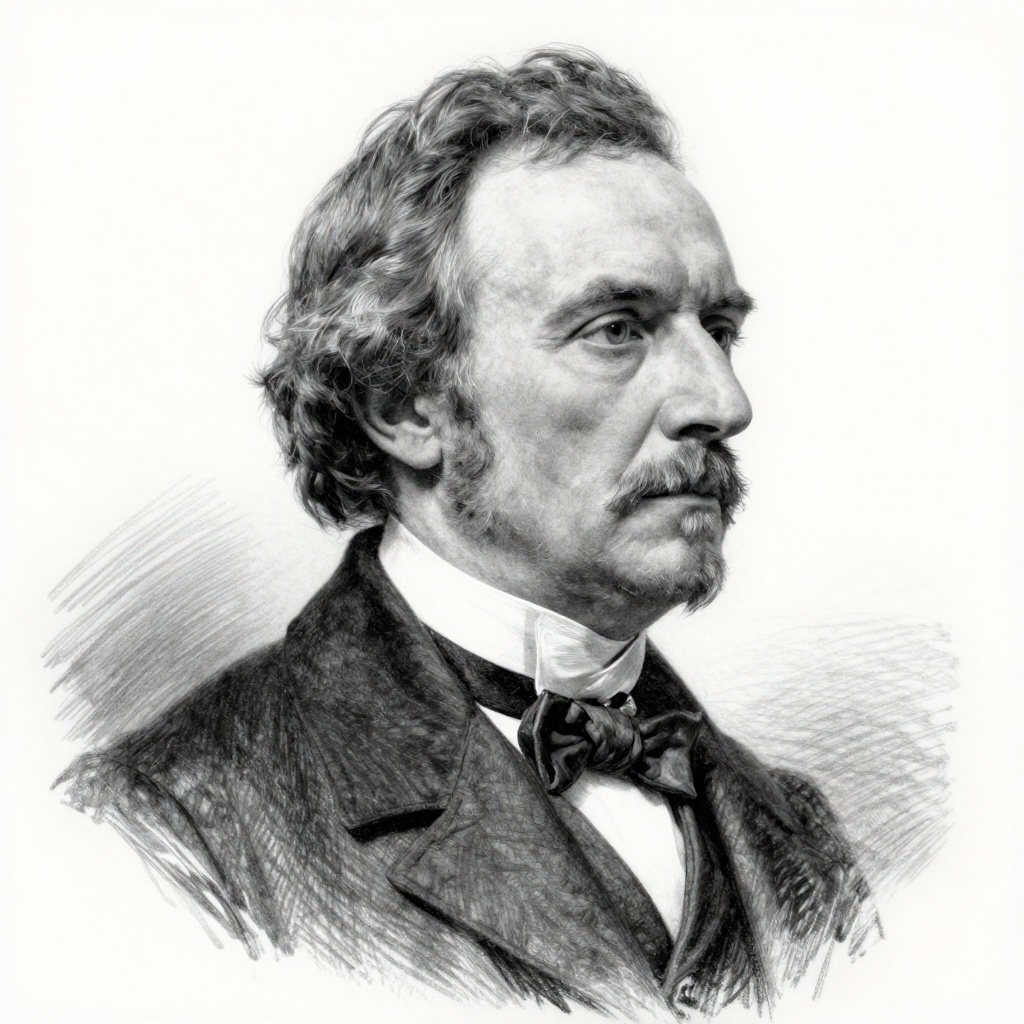
Let us not forget that the cultivation of the earth is the most important labor of man. When tillage begins, o... — Daniel Webster

Let us not forget that the cultivation of the earth is the most important labor of man. When tillage begins, other arts will follow. The farmers, therefore, are the founders of civilization.

Author: Daniel Webster

Insight: There's something counterintuitive about calling farmers the founders of civilization. We tend to think of civilization as cities, universities, art, law—the things that happened after people stopped farming. But Webster's point cuts deeper: none of that complexity becomes possible until someone solves the basic problem of feeding people reliably. A farmer who learns to grow surplus doesn't just eat better; they free up time for someone else to become a blacksmith, a builder, a teacher. That surplus is the actual currency that lets a society think beyond survival. What's striking is how much this still applies today, even in our digital age. We've gotten so removed from where food comes from that we treat agriculture as just another commodity sector, something to optimize and forget about. But the current fragility of global supply chains, the climate pressures on crops, the exhaustion of soil—these aren't side issues. They're foundational. Every system we've built, every luxury we enjoy, still rests on the same basic principle: someone has to grow the food. The deeper insight Webster was touching on is that civilization isn't built on what's flashy or celebrated; it's built on what's essential and often undervalued. That tension between what a society needs to survive and what it chooses to admire says a lot about its priorities.

The unsexy foundation of everything

Let us not forget that the cultivation of the earth is the most important labor of man. When tillage begins, other arts will follow. The farmers, therefore, are the founders of civilization.

There's something counterintuitive about calling farmers the founders of civilization. We tend to think of civilization as cities, universities, art, law—the things that happened after people stopped farming. But Webster's point cuts deeper: none of that complexity becomes possible until someone solves the basic problem of feeding people reliably. A farmer who learns to grow surplus doesn't just eat better; they free up time for someone else to become a blacksmith, a builder, a teacher. That surplus is the actual currency that lets a society think beyond survival.

What's striking is how much this still applies today, even in our digital age. We've gotten so removed from where food comes from that we treat agriculture as just another commodity sector, something to optimize and forget about. But the current fragility of global supply chains, the climate pressures on crops, the exhaustion of soil—these aren't side issues. They're foundational. Every system we've built, every luxury we enjoy, still rests on the same basic principle: someone has to grow the food.

The deeper insight Webster was touching on is that civilization isn't built on what's flashy or celebrated; it's built on what's essential and often undervalued. That tension between what a society needs to survive and what it chooses to admire says a lot about its priorities.

AI generated

Comments

Sign in to leave a comment or reply to one.

Sign in

Daniel Webster

Daniel Webster was an American statesman and lawyer known for his powerful speeches and contributions to American politics in the early 19th century. He served as a U.S. Senator, Secretary of State, and played a key role in many significant debates and negotiations, including the Webster-Hayne debate and the Compromise of 1850.

Graph

Related