Quote · Added 16 August 2023
There's always room at the top.
Daniel WebsterBangor Daily Whig & Courier, 27 Feb, 1866
No ratings yet
Filed undersuccess·ambition·resilience
Quote · Added 16 August 2023
Filed undersuccess·ambition·resilience
The real trap isn't competition—it's believing there's only one finish line. Most of us absorb this idea early that success is a crowded stadium where you either make it to the top or you're left behind. But Webster's point cuts through that. The reason there's always room at the top is partly because most people stop climbing partway up. They get comfortable, distracted, or convinced the peak is unreachable. They don't keep going.
What makes this feel relevant now is how it applies beyond traditional careers. There's room at the top of your craft, your fitness, your relationships, your creative work—because sustained excellence requires a kind of boring consistency that fewer people maintain than you'd think. The people who actually get there aren't usually the most talented. They're the ones still showing up when the novelty wore off years ago.
The non-obvious part: this also means the top is lonelier than it looks. There's room because fewer people want it badly enough to pay the actual price. It's not that ambition is punished. It's that most ambition is half-hearted. If you're willing to be genuinely committed to something for years, with no guarantee of payoff, you're already ahead of the curve.
1782–1852·lived 70 years
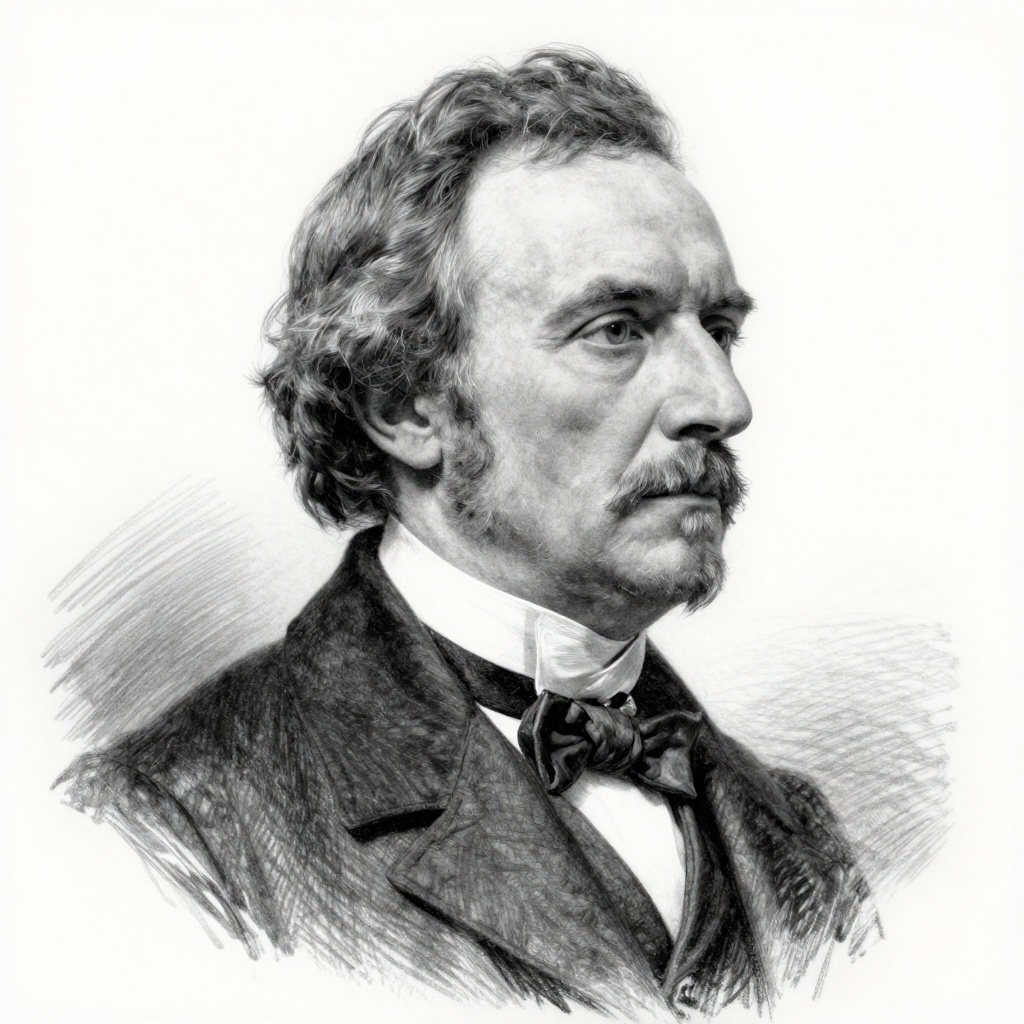
Daniel Webster was an American statesman and lawyer known for his powerful speeches and contributions to American politics in the early 19th century. He served as a U.S. Senator, Secretary of State, and played a key role in many significant debates and negotiations, including the Webster-Hayne debate and the Compromise of 1850.
Comments