Quote  ·  Added 14 February 2026

It is better to have a lion at the head of an army of sheep, than a sheep at the head of an army of lions.

Daniel DefoeThe Life and Adventures of Mrs. Christian Davies, 1741
No ratings yet

Filed underleadership·strength·courage
Reading

AI generated

Courage matters more than credentials

We're usually taught that leadership is about having the smartest person in the room or the most impressive credentials. But this quote points at something more useful: sometimes the thing that matters most is whether the person in charge actually has the spine to make hard calls when it counts.

Think about the teams you've been part of—work groups, friend circles, families organizing something important. The moments that define them aren't usually when everything's smooth. They're when someone has to stand firm, take a risk, or disappoint people to do what's right. A skilled person who freezes under pressure becomes a liability. But a determined person with decent judgment, even if they're not the most talented, can hold things together and pull people forward.

The trickier insight here is that confidence and resolve aren't the same as competence, but they're almost always more valuable in a leader. A lion leading lions creates chaos because everyone's trying to prove something. But a lion leading sheep creates direction. We tend to underestimate how much we actually want our leaders to be steady and decisive, even if they're not the flashiest performer in the group. Sometimes the best leader is just the one willing to go first.

The author

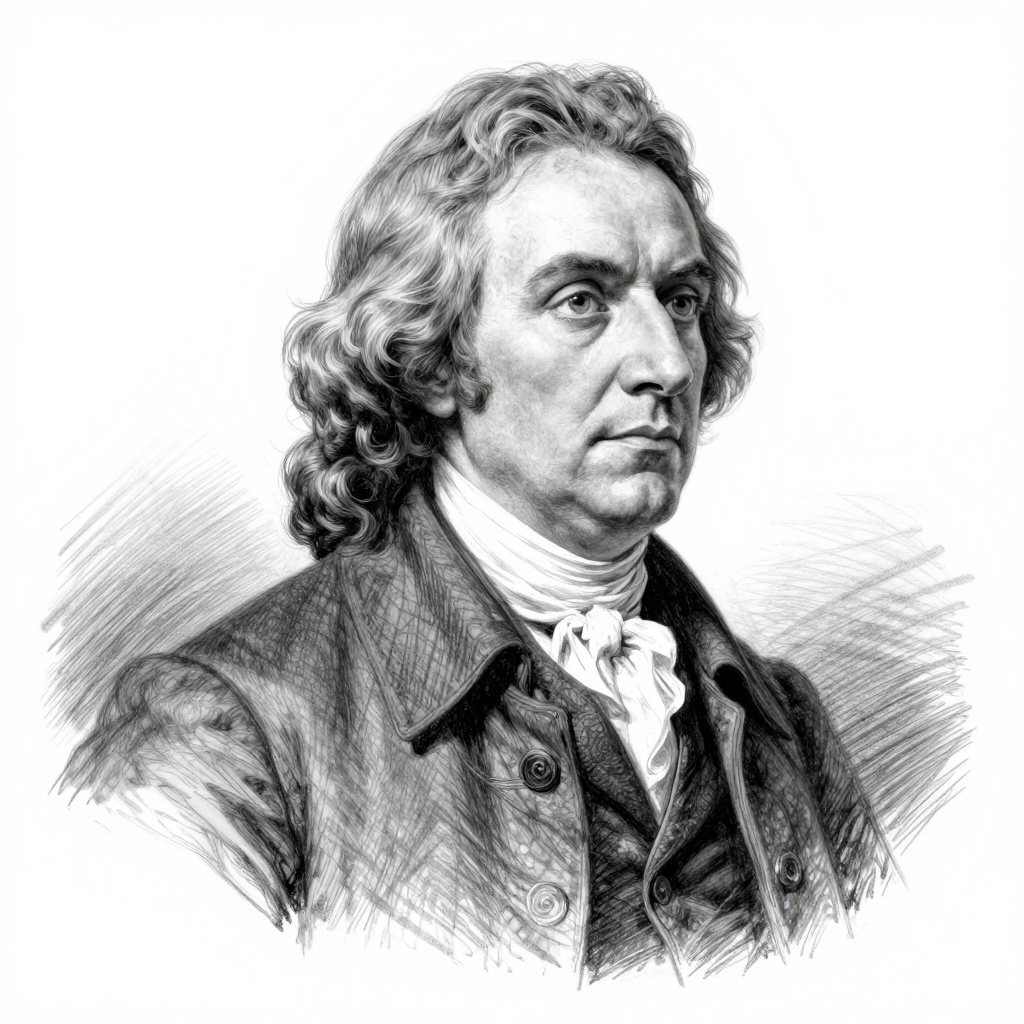
Daniel Defoe

1660–1731·lived 70 years

Daniel Defoe was an English writer, trader, and journalist, best known for his novel "Robinson Crusoe," published in 1719, which is considered one of the earliest examples of the novel form. Born in 1660, he was also a prolific pamphleteer and is known for his works on political and economic commentary as well as other fictional writings. Defoe’s contributions to literature and journalism have made him a significant figure in the early development of the English novel.

Comments

Sign in