Quote · Added 14 February 2026
Without feelings of respect, what is there to distinguish men from beasts?
ConfuciusAnalects, Book II, 2002
No ratings yet
Filed underrespect·humanity·distinction
Quote · Added 14 February 2026
Filed underrespect·humanity·distinction
We live in an age where it's easy to mistake efficiency for civilization. We've built systems that work without anyone really respecting anyone else—just following rules, clicking boxes, moving through transactions. But Confucius is pointing at something that gets lost in that mechanical approach: respect is actually what makes us human in a way that logic or rules alone never could. A beast can follow instinct. A machine can follow code. But respect requires seeing something of value in another person, and choosing to honor it.
The tension comes because respect isn't something you can legislate or automate. You can't force it from above, and you can't manufacture it through policy. It has to happen in the small moments—how you listen when someone speaks, whether you keep your word with people who can't punish you if you don't, how you treat someone who can't do anything for you. These choices are what actually separate us from just being sophisticated animals.
This matters now partly because our institutions are increasingly impersonal. More of our interactions happen through screens, through strangers, through systems designed to need nothing from our character. Confucius suggests that's dangerous—not just ethically, but existentially. Without practicing respect as a constant habit, in real interactions with real people, we lose something essential about what it means to be human at all.
d. 479
Confucius was a Chinese philosopher and teacher who lived in the 6th–5th century BC. Known for his ethical teachings, he emphasized personal and governmental morality, proper social relationships, justice, and sincerity. His ideas and philosophy, compiled in the Analects, have had a profound influence on Chinese culture and governance.
Also by Confucius
If you hate someone, then you are defeated by him.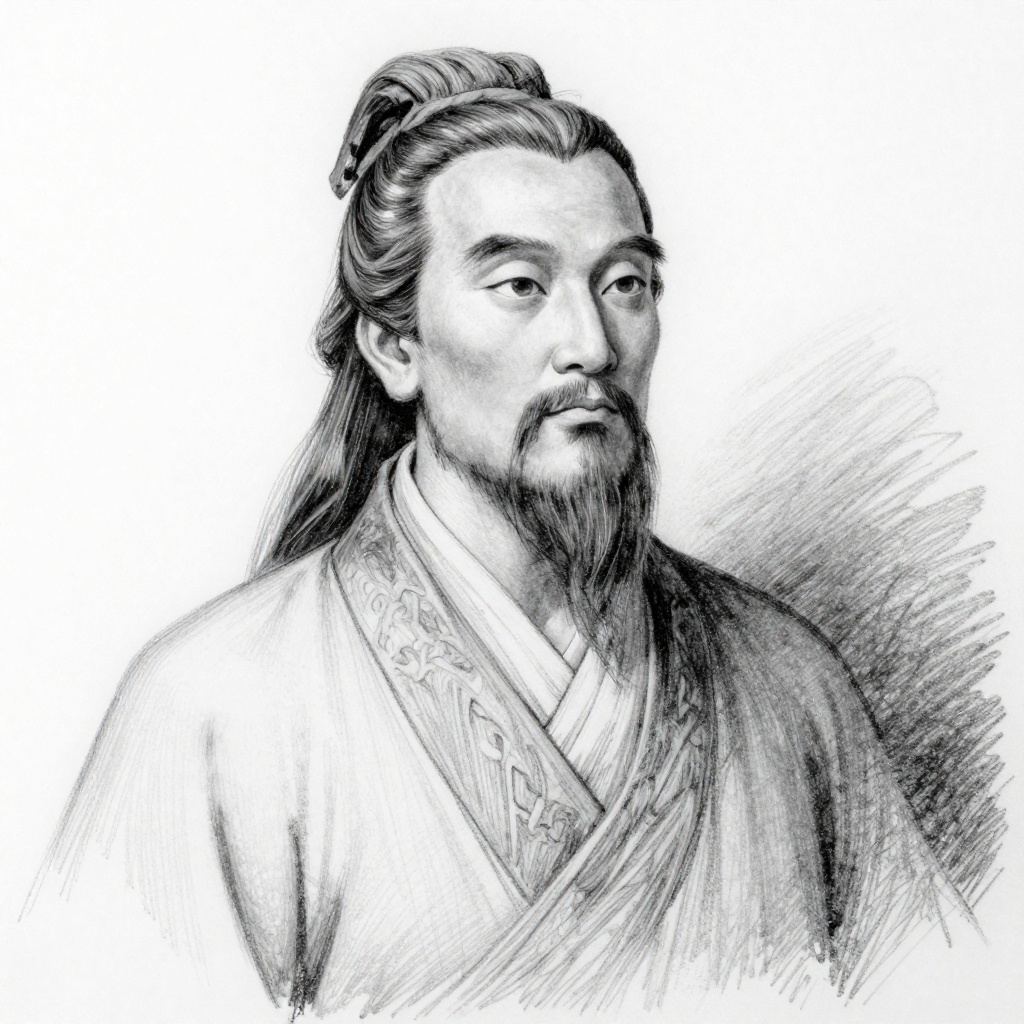
Comments