Quote · Added 19 March 2026
The man who chases two rabbits, catches neither.
No ratings yet
Quote · Added 19 March 2026
We know this feeling in our bones: the project you half-started, the skill you dabbled in, the relationship you kept one eye off because something shinier appeared. There's a particular exhaustion that comes from divided attention—not from working hard, but from working hard in too many directions at once. Your energy scatters. Your progress stalls. You end up frustrated, wondering why you're not getting anywhere despite staying busy.
The tricky part is that modern life almost rewards rabbit-chasing. We're told to be flexible, to keep options open, to explore. And exploration matters. But there's a difference between trying things and actually pursuing them. The person who learns piano for two months, abandons it for coding, then pivots to writing hasn't failed at those things—they've succeeded at committing to nothing. They've become skilled at starting over.
What makes this wisdom hard to live by is that it asks you to say no, to believe that what you're choosing is worth what you're refusing. That requires a kind of faith—that one rabbit, properly caught, will feed you better than two rabbits that keep slipping through your fingers.
d. 479
Confucius was a Chinese philosopher and teacher who lived in the 6th–5th century BC. Known for his ethical teachings, he emphasized personal and governmental morality, proper social relationships, justice, and sincerity. His ideas and philosophy, compiled in the Analects, have had a profound influence on Chinese culture and governance.
Also by Confucius
If you hate someone, then you are defeated by him.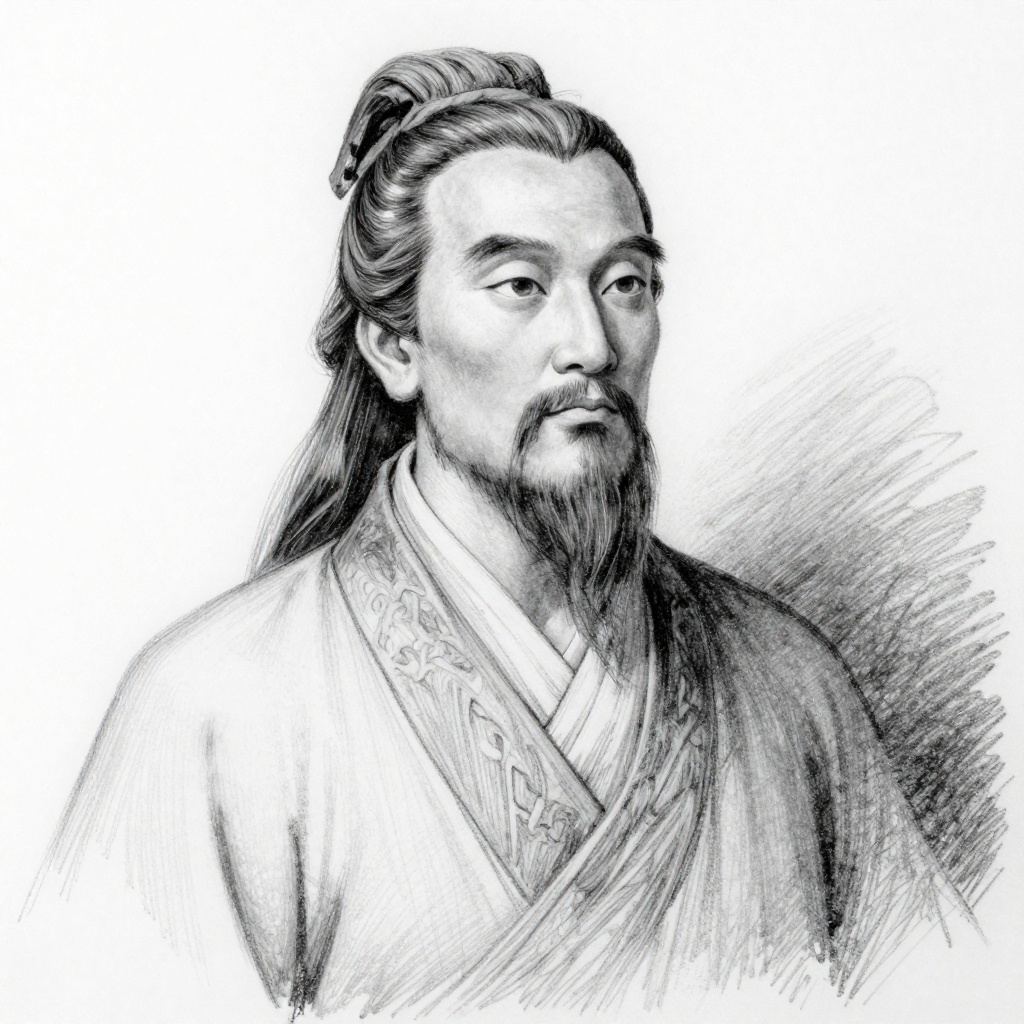
Comments