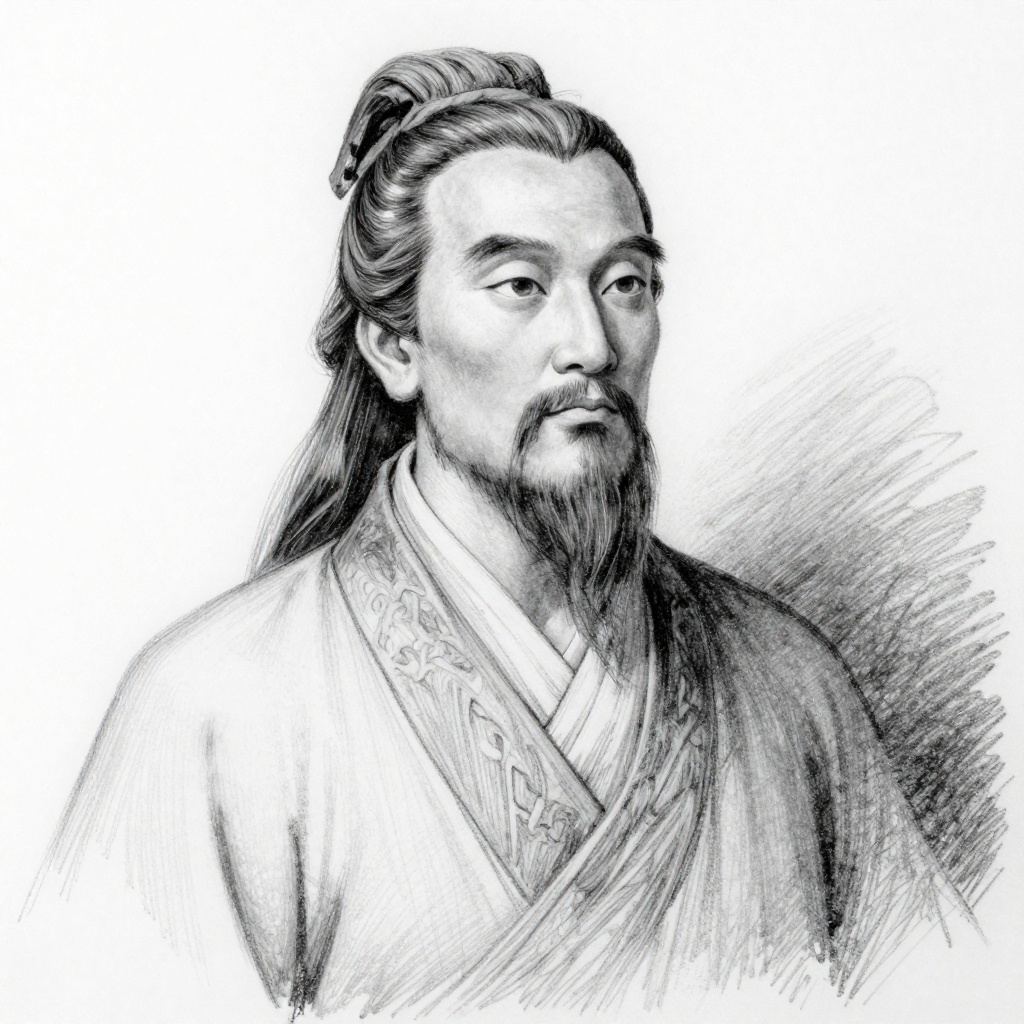
When we see persons of worth, we should think of equaling them; when we see persons of a contrary character, w... — Confucius

When we see persons of worth, we should think of equaling them; when we see persons of a contrary character, we should turn inwards and examine ourselves.

Author: Confucius

Insight: We're all drawn to people who seem to have it figured out—the friend who's genuinely kind, the colleague who stays calm under pressure, the person who actually follows through on their commitments. The natural instinct is to admire from a distance or feel a little envious. But Confucius points to something harder and more useful: use them as a mirror for who you want to become. When you notice someone's worth, the move isn't to think "they're special" but to think "what would it look like if I developed that quality too?" The second part is trickier because it cuts against how we usually operate. When we encounter someone difficult or dishonest, our instinct is to judge them, maybe even feel superior. Instead, Confucius suggests turning that observation inward. What does their behavior trigger in you? Where might you have those same tendencies hiding? It's easier to spot laziness in others than to notice it creeping into your own work. This isn't about feeling guilty—it's about using other people's flaws as early warning systems for your own. The whole idea rests on a quiet assumption: you're not stuck as you are. Both inspiration and caution point the same direction—toward becoming someone you actually respect.

Use people as mirrors, not judges

When we see persons of worth, we should think of equaling them; when we see persons of a contrary character, we should turn inwards and examine ourselves.

We're all drawn to people who seem to have it figured out—the friend who's genuinely kind, the colleague who stays calm under pressure, the person who actually follows through on their commitments. The natural instinct is to admire from a distance or feel a little envious. But Confucius points to something harder and more useful: use them as a mirror for who you want to become. When you notice someone's worth, the move isn't to think "they're special" but to think "what would it look like if I developed that quality too?"

The second part is trickier because it cuts against how we usually operate. When we encounter someone difficult or dishonest, our instinct is to judge them, maybe even feel superior. Instead, Confucius suggests turning that observation inward. What does their behavior trigger in you? Where might you have those same tendencies hiding? It's easier to spot laziness in others than to notice it creeping into your own work. This isn't about feeling guilty—it's about using other people's flaws as early warning systems for your own.

The whole idea rests on a quiet assumption: you're not stuck as you are. Both inspiration and caution point the same direction—toward becoming someone you actually respect.

AI generated

Comments

Sign in to leave a comment or reply to one.

Sign in

Confucius

Confucius was a Chinese philosopher and teacher who lived in the 6th–5th century BC. Known for his ethical teachings, he emphasized personal and governmental morality, proper social relationships, justice, and sincerity. His ideas and philosophy, compiled in the Analects, have had a profound influence on Chinese culture and governance.

Graph

Related