Quote · Added 28 April 2024
When anger arises, think of the consequences.
ConfuciusAnalects 16.10 - Confucian Pages
No ratings yet
Filed underanger·consequences·mindfulness
Quote · Added 28 April 2024
Filed underanger·consequences·mindfulness
We all know that moment—someone cuts you off in traffic, a friend cancels last-minute, your kid talks back—and you feel the heat rise. Your brain wants to snap back immediately, to let them have it. But Confucius is asking you to do something almost impossible in that moment: pause and think forward instead of react from emotion.
The tricky part is that anger feels urgent, like you need to respond right now or the injustice won't be addressed. But the consequences he's talking about aren't abstract—they're the text you regret, the relationship strain that takes months to repair, the reputation you build as someone people tiptoe around. Most of us have felt the sting of consequences long after the anger faded. We've all had that moment of clarity an hour later thinking, "Why did I say that?"
Here's what's subtle though: this isn't about suppressing anger or pretending you're not upset. It's about giving your rational mind a fighting chance. Ten seconds of thinking through what actually happens next—the awkwardness, the apology you'll need to make, how the other person will react—can shift you from reaction to choice. That small gap between feeling and acting is where your actual character lives.
d. 479
Confucius was a Chinese philosopher and teacher who lived in the 6th–5th century BC. Known for his ethical teachings, he emphasized personal and governmental morality, proper social relationships, justice, and sincerity. His ideas and philosophy, compiled in the Analects, have had a profound influence on Chinese culture and governance.
Also by Confucius
If you hate someone, then you are defeated by him.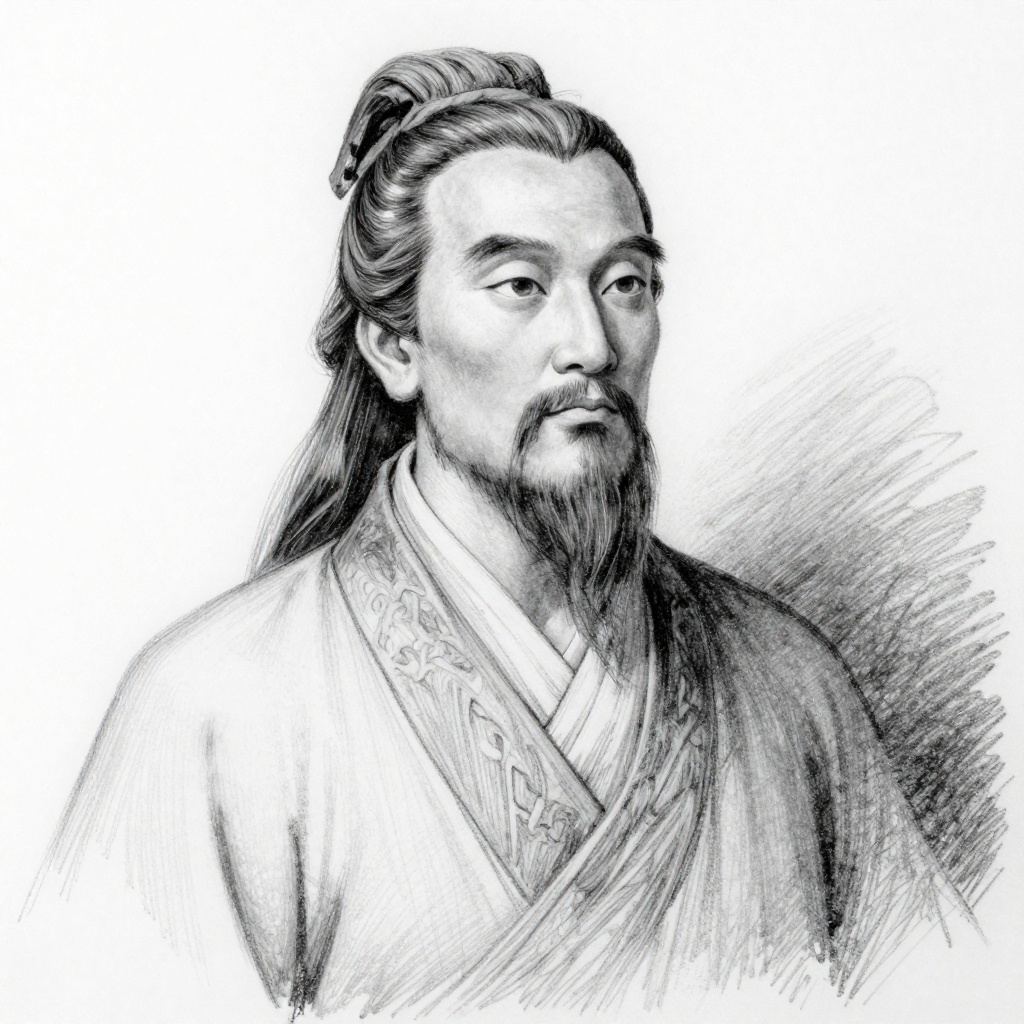
Comments