Quote · Added 14 March 2026
We have two lives, and the second begins when we realize we only have one.
No ratings yet
Quote · Added 14 March 2026
Most of us spend our first life on autopilot, treating time like something infinite. We defer the conversation we need to have, the project that excites us, the person we want to become—always assuming there's a later. Then something shifts. Maybe it's a health scare, a friend's death, or just a random moment where the math suddenly clicks: our days are finite and they're passing right now. That's when the second life begins, not because our circumstances change, but because we finally believe our circumstances matter.
The strange part is how liberating this clarity can be. Once you stop treating time as something you'll have plenty of later, your priorities rearrange themselves almost automatically. You stop saying yes to things that drain you. You call people back. You notice what you actually want rather than what you think you should want. This isn't about becoming reckless or abandoning responsibility—it's about using your limited attention on things that genuinely mean something to you.
The tricky bit is that this realization doesn't stick automatically. It's easy to feel it intensely for a few weeks, then slip back into the old patterns. The people who actually live their second life tend to build small reminders into their daily existence—not morbid ones, but gentle practices that keep them connected to what matters. It's less about dramatic changes and more about recurring choices that reflect what you've learned.
d. 479
Confucius was a Chinese philosopher and teacher who lived in the 6th–5th century BC. Known for his ethical teachings, he emphasized personal and governmental morality, proper social relationships, justice, and sincerity. His ideas and philosophy, compiled in the Analects, have had a profound influence on Chinese culture and governance.
Also by Confucius
If you hate someone, then you are defeated by him.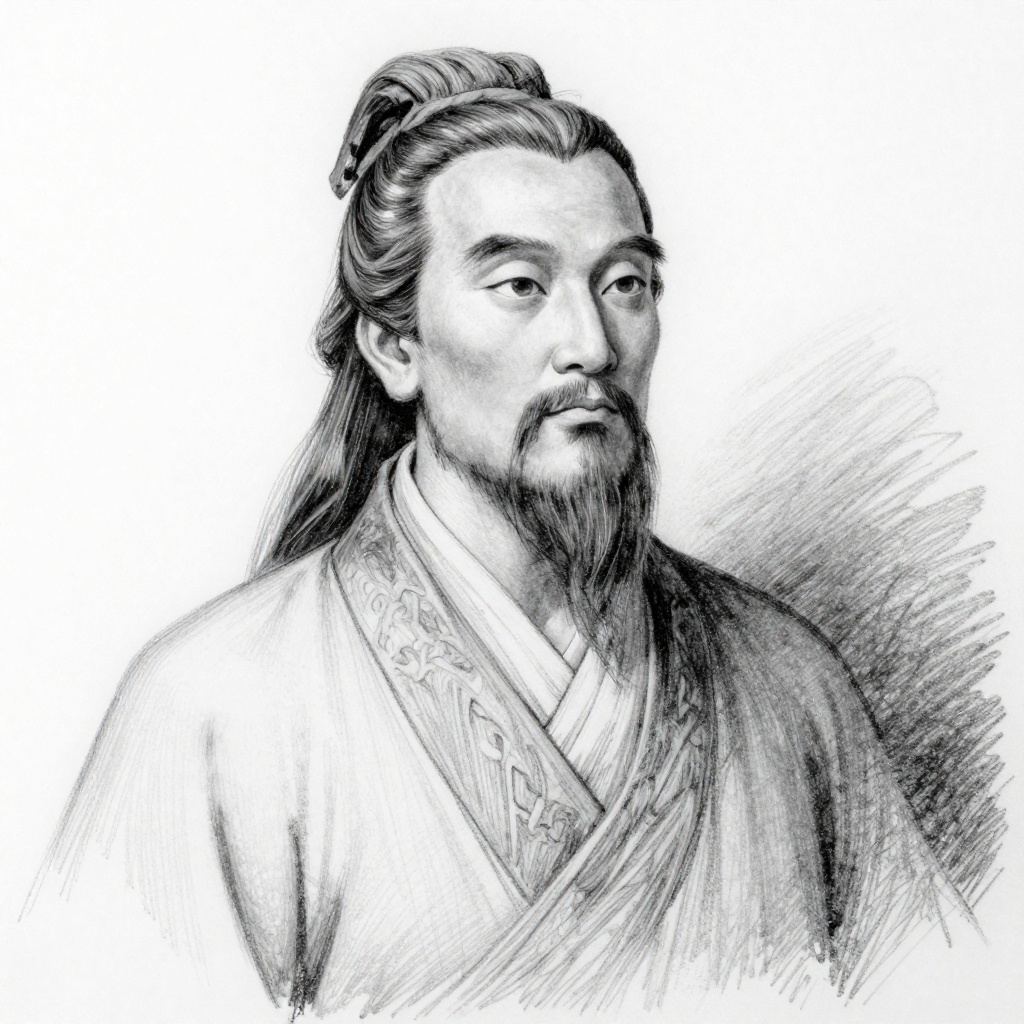
Comments