Quote · Added 28 February 2026
Choose a job you love, and you will never have to work a day in your life.
No ratings yet
Filed underjob·passion·fulfillment
Quote · Added 28 February 2026
Filed underjob·passion·fulfillment
We've heard this one enough times that it almost sounds like empty motivation-poster advice. But there's something worth sitting with here that goes beyond the obvious point about happiness at work.
The real insight isn't that loving your job means work feels effortless or that you'll never have hard days. It's about the fundamental shift in how you relate to effort itself. When you're doing something that genuinely matters to you, the grind transforms. You're not counting down to Friday or mentally checking out during meetings. You're actually present. That changes everything about fatigue, frustration, and whether you feel like you're building something or just serving time. It's the difference between resenting the weight of a burden and willingly carrying something because it's yours.
The trickier part, though, is that this isn't purely about finding your "passion" in some magical sense. It's also about choosing to engage deeply with whatever you do choose. You can manufacture genuine care for work by understanding its purpose, by doing it well, by connecting it to something larger than just a paycheck. Sometimes love for the work comes after you've committed to doing it excellently, not before.
d. 479
Confucius was a Chinese philosopher and teacher who lived in the 6th–5th century BC. Known for his ethical teachings, he emphasized personal and governmental morality, proper social relationships, justice, and sincerity. His ideas and philosophy, compiled in the Analects, have had a profound influence on Chinese culture and governance.
Also by Confucius
If you hate someone, then you are defeated by him.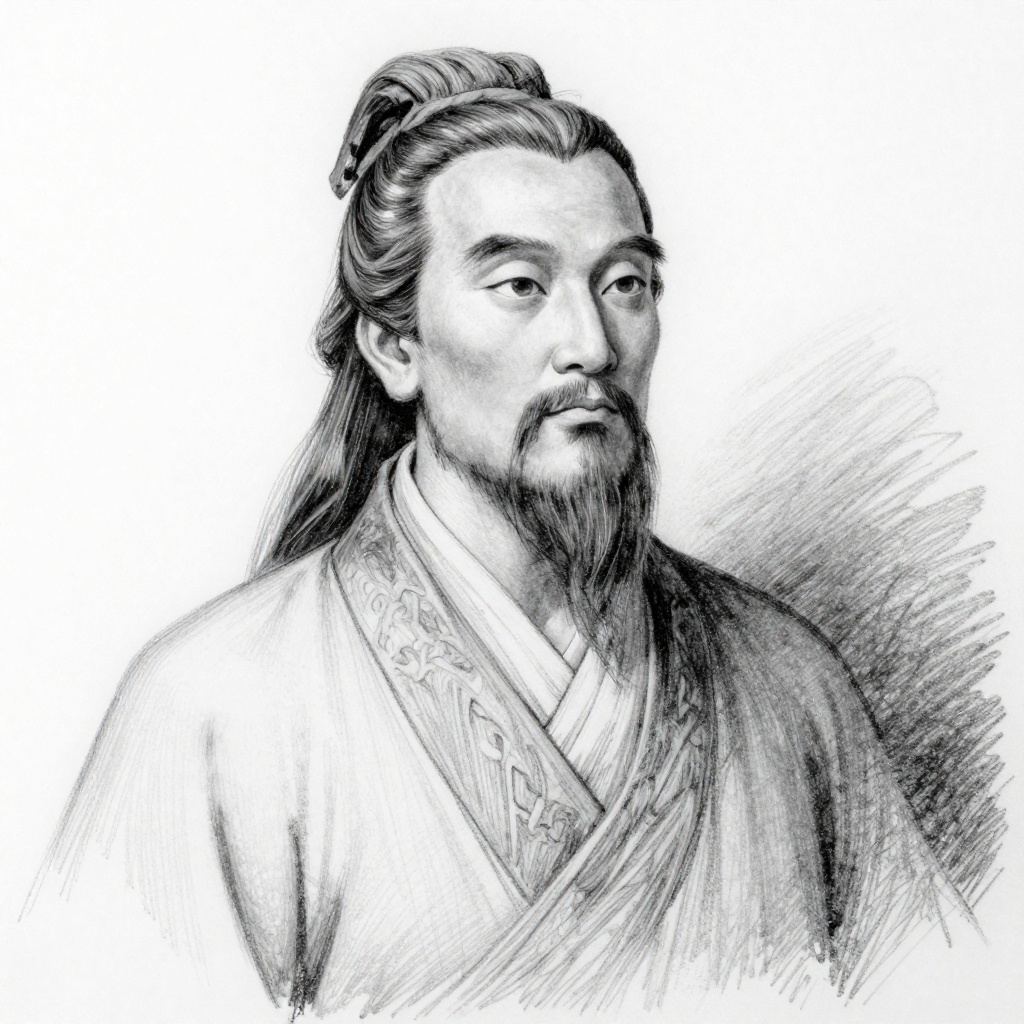
Comments