Quote · Added 4 March 2024
To study and not think is a waste. To think and not study is dangerous.
ConfuciusThe Analects of Confucius - Lun Yu II. 15. (31)
No ratings yet
Quote · Added 4 March 2024
We live in an age of endless information but scattered attention. You can spend hours scrolling through articles, podcasts, and videos—absorbing facts without ever stopping to ask what they actually mean or how they connect to anything. That's the first trap: consuming without digesting. You end up feeling informed but unable to actually use what you've learned, or worse, unable to remember it a week later.
But the second part matters just as much. Pure thinking without any real material to work with is how conspiracy theories spread, how people justify their existing beliefs without challenge, and how half-baked ideas feel fully formed in your head. You can convince yourself of almost anything if you're only talking to yourself. This is why isolated echo chambers are so dangerous—not because people aren't thinking, but because they're thinking without the friction of facts pushing back.
The real move is weaving these together: read something substantial, then actually sit with it. Argue against it. See where it breaks. This doesn't mean endless studying—it means studying things that matter to you, then doing the harder work of deciding what you believe about them.
d. 479
Confucius was a Chinese philosopher and teacher who lived in the 6th–5th century BC. Known for his ethical teachings, he emphasized personal and governmental morality, proper social relationships, justice, and sincerity. His ideas and philosophy, compiled in the Analects, have had a profound influence on Chinese culture and governance.
Also by Confucius
If you hate someone, then you are defeated by him.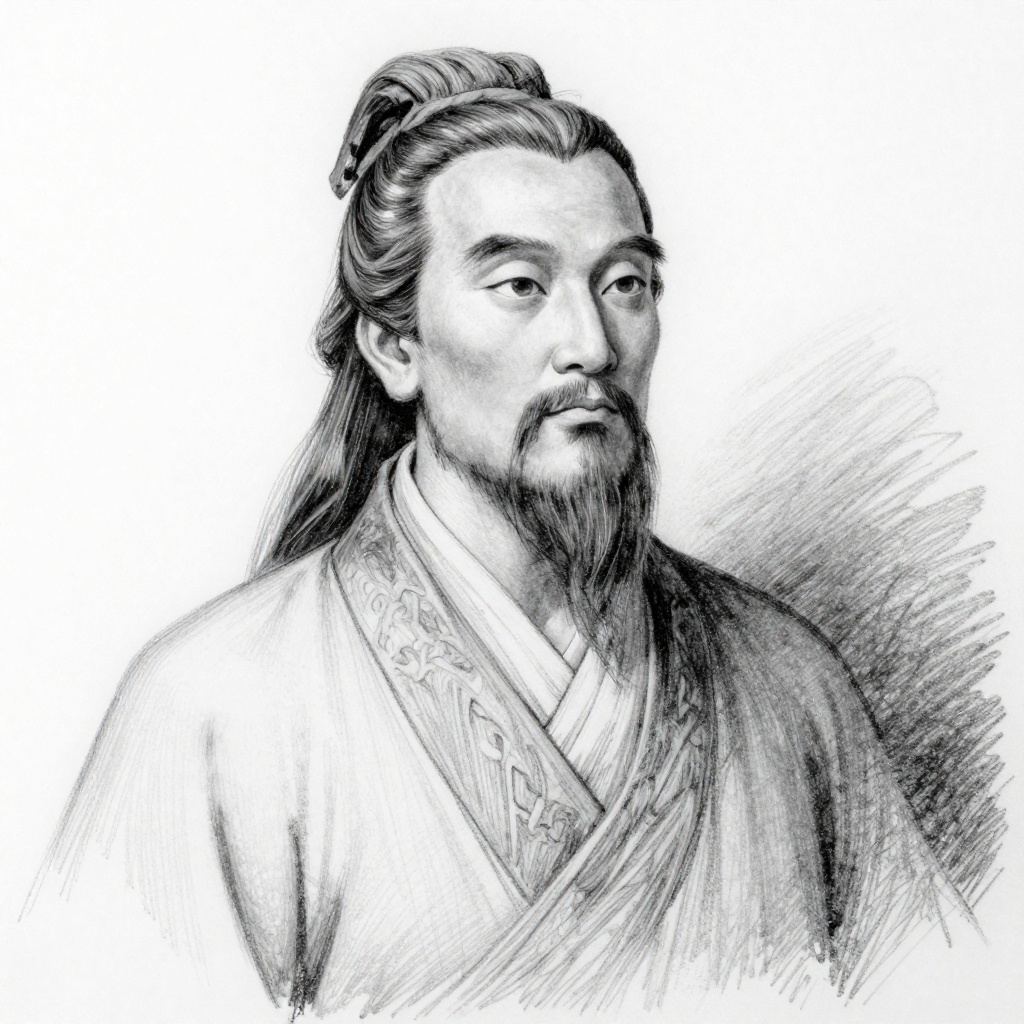
Comments