Quote · Added 8 February 2026
The superior man understands what is right; the inferior man understands what will sell.
ConfuciusAnalects, ch. 4, v. 16
No ratings yet
Quote · Added 8 February 2026
We live in an age where Confucius's ancient observation has become almost unbearably visible. Every day we're surrounded by people and companies who've clearly chosen to understand "what will sell" over "what is right"—whether that's a news outlet sensationalizing fear, a wellness influencer hawking supplements they don't believe in, or a coworker taking credit for someone else's idea because it advances their promotion.
The tricky part is that understanding what will sell often feels smarter than understanding what's right. It's concrete, measurable, immediately rewarding. You can see the money come in, the followers increase, the status rise. What's right, by contrast, can feel fuzzy and slow—it might cost you something today for a benefit you'll never quite see. Yet Confucius is describing something simpler than a moral lecture: he's pointing out that these are two entirely different skill sets. The person who learns to chase what sells develops one kind of intelligence. The person who learns to recognize what's right develops another. The challenge isn't choosing between being smart or good—it's recognizing that picking one over the other is actually a choice you're making, often without realizing it.
d. 479
Confucius was a Chinese philosopher and teacher who lived in the 6th–5th century BC. Known for his ethical teachings, he emphasized personal and governmental morality, proper social relationships, justice, and sincerity. His ideas and philosophy, compiled in the Analects, have had a profound influence on Chinese culture and governance.
Also by Confucius
If you hate someone, then you are defeated by him.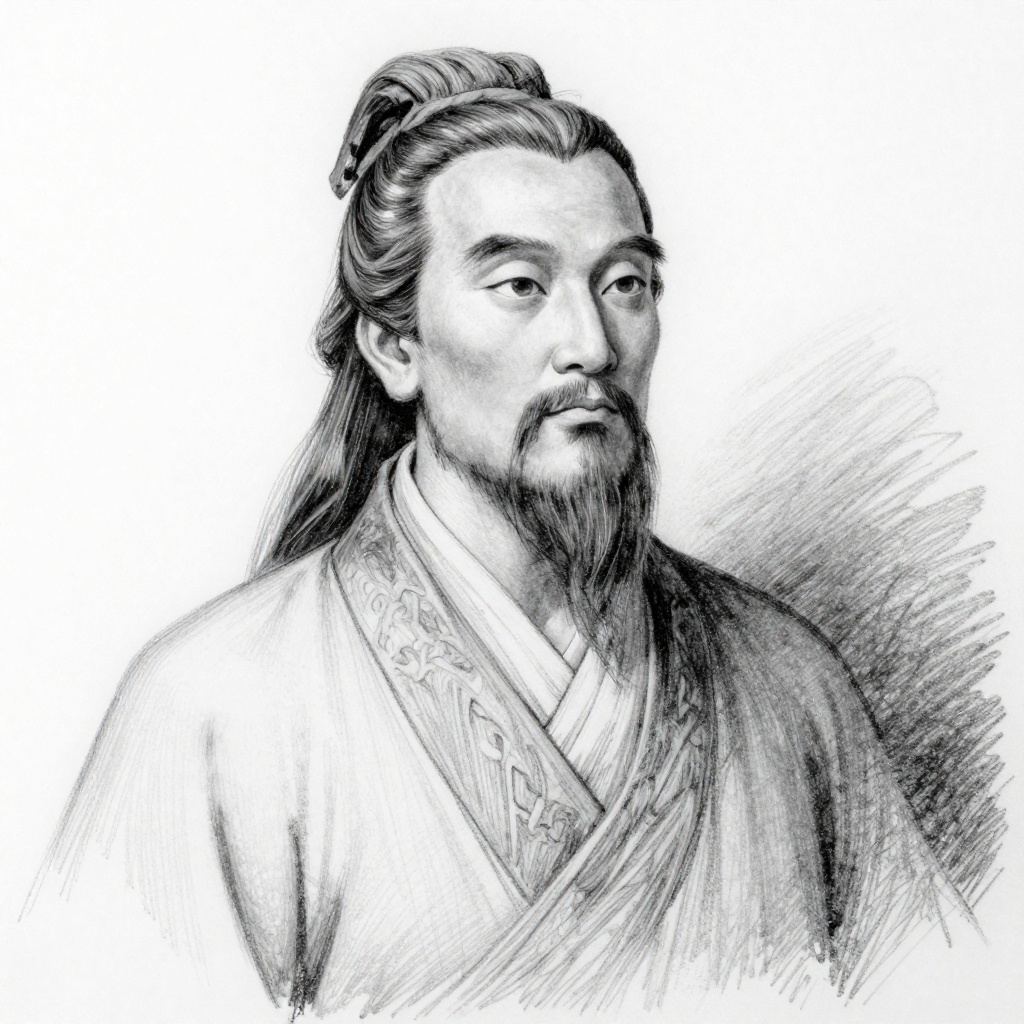
Comments