Quote · Added 14 February 2026
Learning without thought is labor lost; thought without learning is perilous.
ConfuciusThe Analects, Book 2, 15
No ratings yet
Quote · Added 14 February 2026
We've all been there: scrolling through articles, finishing books, binge-watching documentaries—and then realizing nothing actually stuck. That's the first half of what Confucius is pointing at. Information without reflection is just mental busywork. Your brain files it away, but it never becomes part of how you actually think or act. You haven't truly learned anything.
But here's the flip side that stings a bit more: thinking without learning is actually dangerous. This is what happens when we're confident in our opinions but haven't bothered to build them on solid ground. We reason from half-truths, tribal beliefs we inherited, or things we heard once and never questioned. We feel smart, which makes us dangerous. The internet is full of people thinking loudly without learning first.
The real tension is that both things feel productive in the moment. Absorbing information feels like growth. Having strong opinions feels like clarity. But Confucius is suggesting they need each other—learning without reflection wastes your time, and thinking without facts wastes everyone else's. The uncomfortable skill is holding both: staying curious enough to keep learning, while being honest enough to keep questioning what you think you know.
d. 479
Confucius was a Chinese philosopher and teacher who lived in the 6th–5th century BC. Known for his ethical teachings, he emphasized personal and governmental morality, proper social relationships, justice, and sincerity. His ideas and philosophy, compiled in the Analects, have had a profound influence on Chinese culture and governance.
Also by Confucius
If you hate someone, then you are defeated by him.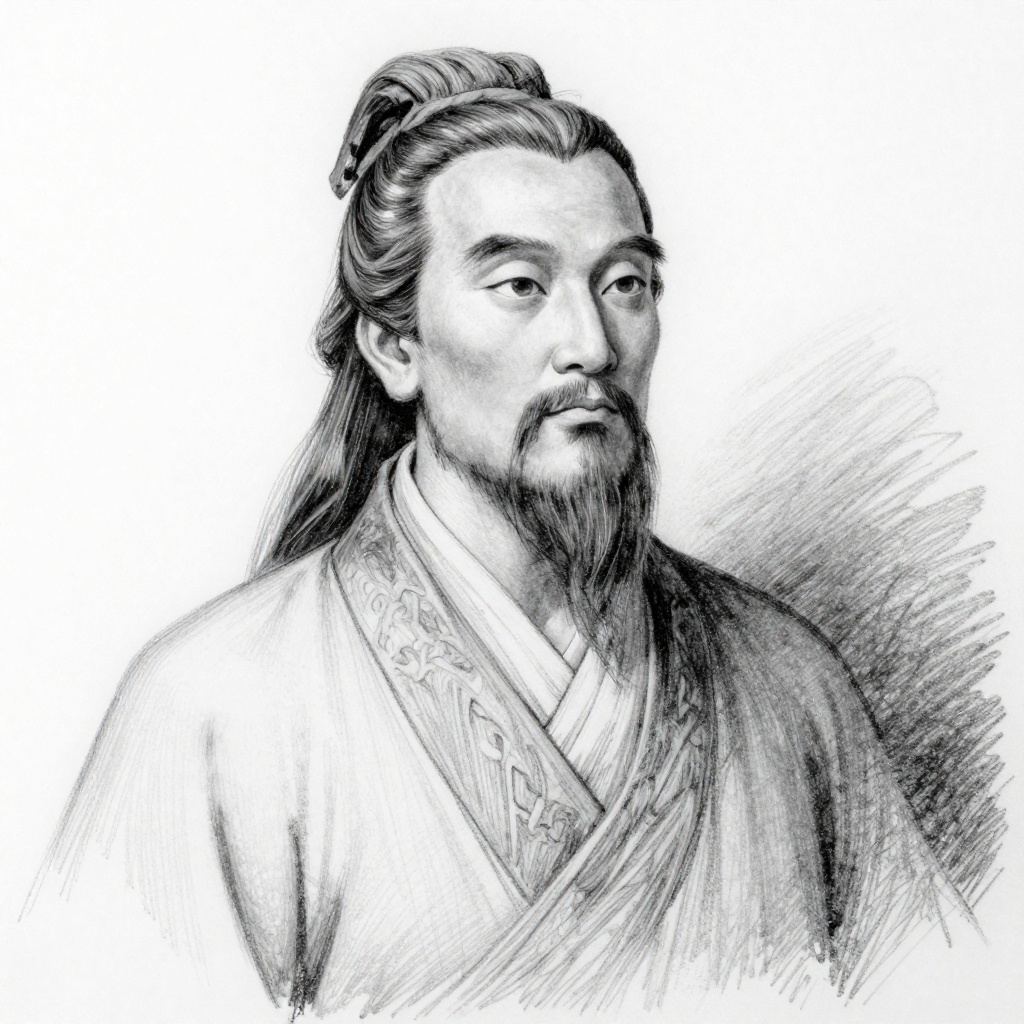
Comments