Quote · Added 9 February 2026
It is not good to be too free. It is not good to have everything one wants.
ConfuciusThe Analects, Book XI, 2002
No ratings yet
Filed underfreedom·balance·moderation
Quote · Added 9 February 2026
Filed underfreedom·balance·moderation
We live in an era of unprecedented choice and freedom. You can watch anything, eat anything, work almost anywhere, reinvent yourself constantly. Yet somewhere in this abundance, something feels off—a restlessness that having options doesn't quite solve. Confucius understood something that modern life keeps trying to disprove: unlimited freedom doesn't actually make us happier. It makes us heavier.
There's a peculiar burden in having everything available to you. When nothing constrains your choices, every decision becomes paralyzing. Should you stay in this job or try another? Keep this relationship or scroll for someone better? The weight of infinite possibility can feel worse than genuine limitation. Some of the most satisfied people you know probably aren't those with the most options, but those who've committed to something—a practice, a place, a person—and found meaning in the boundaries they've chosen.
The counterintuitive part is that constraints often create freedom, not the reverse. A musician bound by the structure of a sonata produces something transcendent. A runner training for a specific race finds joy in the limitation. Even simple personal rules—no phone after dinner, a regular exercise time, a committed relationship—stop being restrictions and become the scaffold that lets us actually flourish. Freedom without shape is just drift.
d. 479
Confucius was a Chinese philosopher and teacher who lived in the 6th–5th century BC. Known for his ethical teachings, he emphasized personal and governmental morality, proper social relationships, justice, and sincerity. His ideas and philosophy, compiled in the Analects, have had a profound influence on Chinese culture and governance.
Also by Confucius
If you hate someone, then you are defeated by him.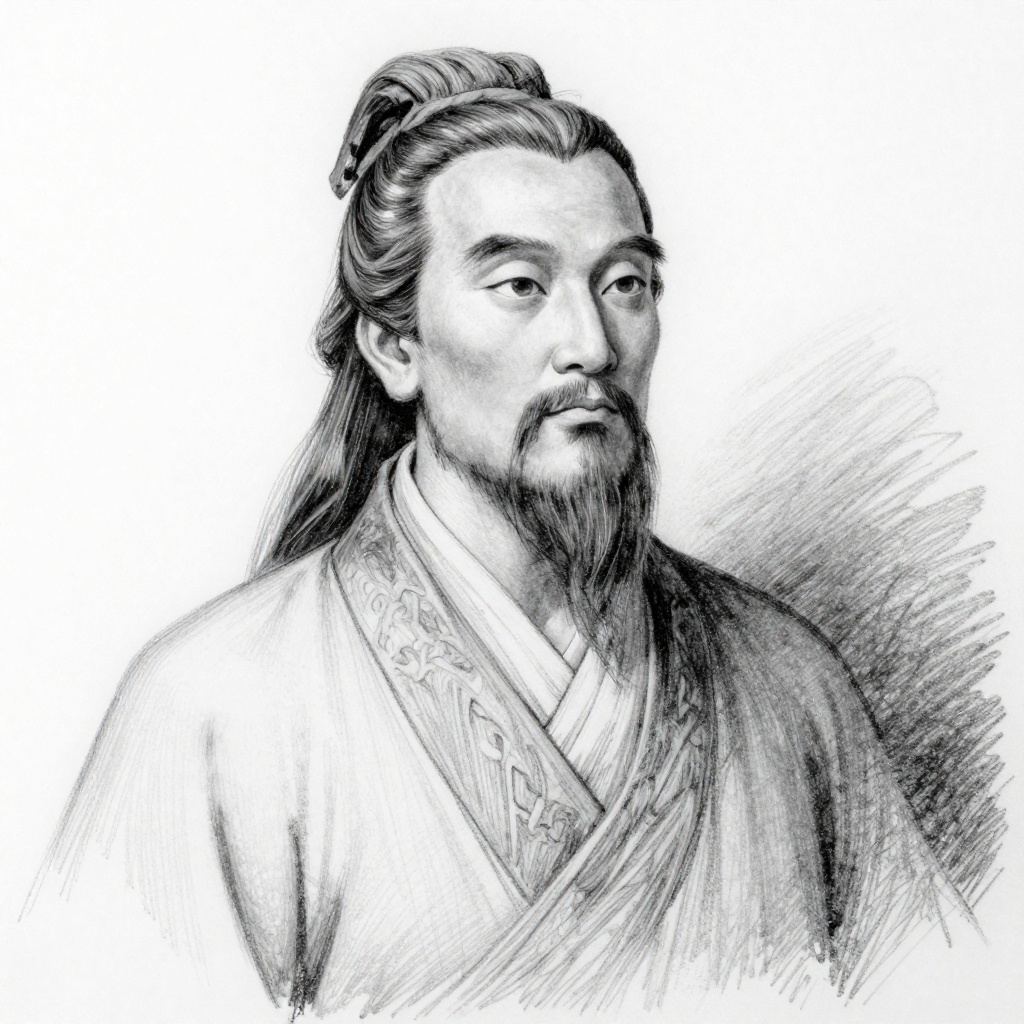
Comments