Quote · Added 14 February 2026
I want you to be everything that's you, deep at the center of your being.
No ratings yet
Filed underyou·identity·authenticity
Quote · Added 14 February 2026
Filed underyou·identity·authenticity
There's a tension most of us live with: the pressure to become someone impressive versus the quieter pull toward being authentically ourselves. This quote cuts through that noise by suggesting these aren't actually in conflict. What Confucius is really saying is that your deepest self—the values, curiosities, and character you actually possess—isn't a liability to overcome. It's the actual foundation worth building on.
The tricky part is that "deep at the center of your being" requires some honest excavation. It's not about indulging every impulse or refusing to grow. It's about distinguishing between genuine parts of who you are and the performed versions we adopt for external approval. That distinction matters because when you try to be something you're not, you're splitting your energy. You're managing an image instead of channeling it into something real.
What makes this relevant now is how accessible fakeness has become. We curate our lives constantly, adjusting ourselves for different audiences. But people generally feel when someone's authentic, and they respond to it. The invitation here is simpler than self-help usually makes it: stop editing yourself so aggressively. Start asking what you actually believe, what genuinely interests you, what kind of person you want to be—not who you think you should be. That alignment is where real confidence lives.
d. 479
Confucius was a Chinese philosopher and teacher who lived in the 6th–5th century BC. Known for his ethical teachings, he emphasized personal and governmental morality, proper social relationships, justice, and sincerity. His ideas and philosophy, compiled in the Analects, have had a profound influence on Chinese culture and governance.
Also by Confucius
If you hate someone, then you are defeated by him.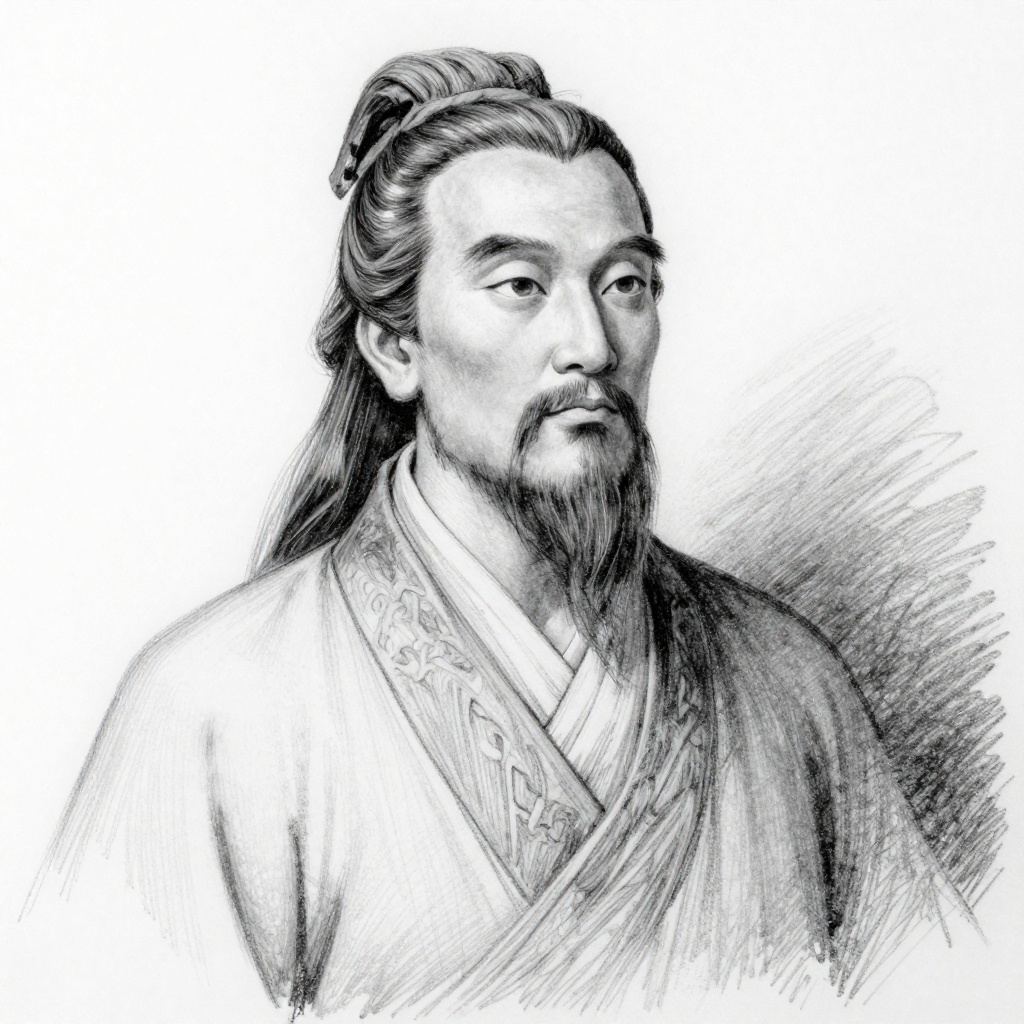
Comments