Quote · Added 14 February 2026
Heaven means to be one with God.
ConfuciusEssential Writings of Confucianism: The Analects of Confucius and the Mencius
No ratings yet
Filed underheaven·oneness·spirituality
Quote · Added 14 February 2026
Filed underheaven·oneness·spirituality
Most of us picture heaven as a place—clouds, harps, some distant reward waiting after we die. But this idea flips that around. It's saying the actual experience of paradise isn't about location or possession. It's about alignment, about being so connected to something larger than yourself that the separation dissolves.
What makes this unexpectedly modern is how much it sounds like what people describe when they're genuinely fulfilled. That moment when you're completely absorbed in work you love, or present with someone you care about, or even just quiet in nature—there's a sense of the small, worried "you" stepping out of the way. The friction is gone. You're not performing or striving or feeling at odds with the world. That's what people often mean when they say something felt "perfect" or "right."
The tricky part is that this kind of unity isn't something you can force or achieve through willpower alone. It's not a destination you earn by being good enough. It tends to arrive when you stop grasping so hard—when you're aligned with something you actually trust or believe in, rather than fighting against it.
d. 479
Confucius was a Chinese philosopher and teacher who lived in the 6th–5th century BC. Known for his ethical teachings, he emphasized personal and governmental morality, proper social relationships, justice, and sincerity. His ideas and philosophy, compiled in the Analects, have had a profound influence on Chinese culture and governance.
Also by Confucius
If you hate someone, then you are defeated by him.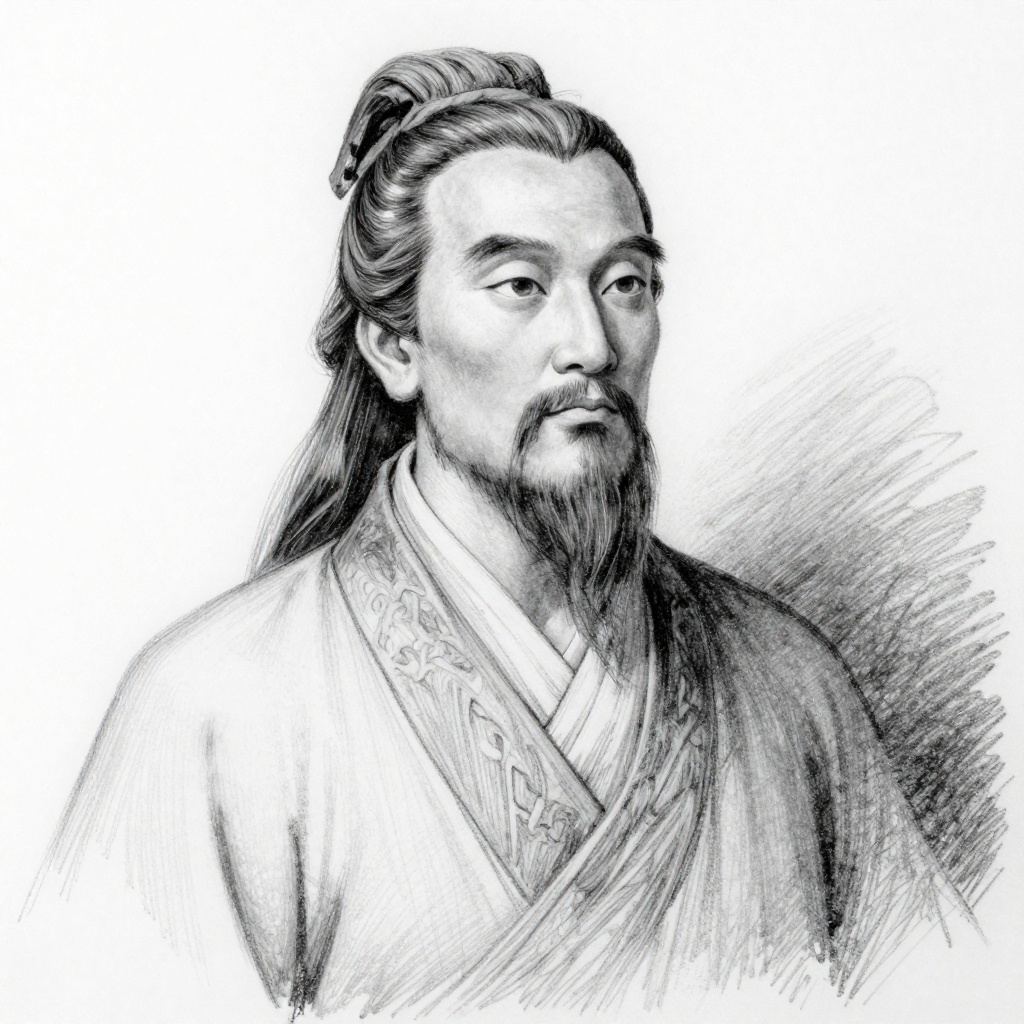
Comments