Quote · Added 14 February 2026
He who speaks without modesty will find it difficult to make his words good.
ConfuciusThe Analects, Book 12, 2001
No ratings yet
Filed undermodesty·integrity·communication
Quote · Added 14 February 2026
Filed undermodesty·integrity·communication
There's something counterintuitive about this idea, especially now. We're told to be bold, to claim our achievements, to build our personal brand. Yet Confucius spotted something real: the person who's always talking themselves up actually weakens their own message. When you're constantly selling, people stop listening. They assume you're biased, that you're hiding doubts behind the noise.
The modesty part isn't about self-deprecation or false humility. It's about restraint—speaking carefully enough that people trust what comes out of your mouth. A quiet claim carries more weight than a loud one, partly because it invites skepticism in a healthy way. "I think this works because..." sounds more credible than "This is obviously the best..." The modesty creates space for others to arrive at the conclusion themselves.
This matters in everyday interactions more than we notice. The coworker who calmly explains their idea gets heard. The person constantly defending why they're right becomes background noise. Modesty isn't weakness—it's actually the foundation of persuasion. When you speak less and more carefully, people lean in to listen.
d. 479
Confucius was a Chinese philosopher and teacher who lived in the 6th–5th century BC. Known for his ethical teachings, he emphasized personal and governmental morality, proper social relationships, justice, and sincerity. His ideas and philosophy, compiled in the Analects, have had a profound influence on Chinese culture and governance.
Also by Confucius
If you hate someone, then you are defeated by him.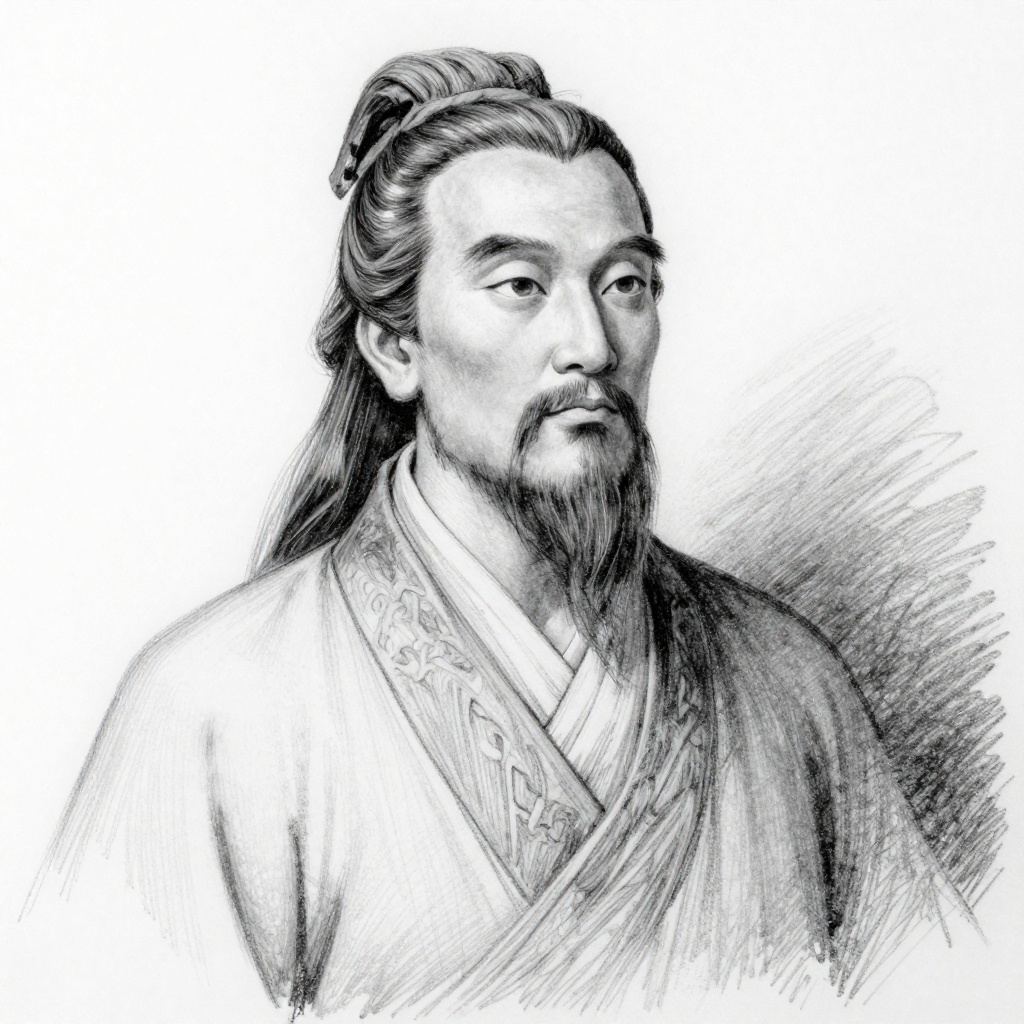
Comments