Quote · Added 14 February 2026
He who learns but does not think, is lost! He who thinks but does not learn is in great danger.
ConfuciusThe Analects, Book 2, 15
No ratings yet
Quote · Added 14 February 2026
We live in an age of endless information—we can absorb facts, news, skills, and ideas faster than any generation before us. And yet, many of us feel more scattered than enlightened. This quote captures why: there's a real difference between consuming knowledge and actually wrestling with it. You can binge educational content all week and still feel like you've learned nothing that sticks or changes how you see things.
The second half is trickier and often gets overlooked. Thinking without learning can feel productive—we all know people (maybe ourselves) who have strong opinions about things they've never actually studied or experienced. There's a kind of confidence there that feels like wisdom but is really just conviction without foundation. You end up in a closed loop, thinking you're being thoughtful when you're actually just reinforcing what you already believe.
The real skill is holding both together: staying curious enough to keep absorbing new perspectives, while also pausing to actually sit with what you've learned, question it, and let it reshape your thinking. That's slower than either approach alone, which is probably why we don't do it as often as we should.
d. 479
Confucius was a Chinese philosopher and teacher who lived in the 6th–5th century BC. Known for his ethical teachings, he emphasized personal and governmental morality, proper social relationships, justice, and sincerity. His ideas and philosophy, compiled in the Analects, have had a profound influence on Chinese culture and governance.
Also by Confucius
If you hate someone, then you are defeated by him.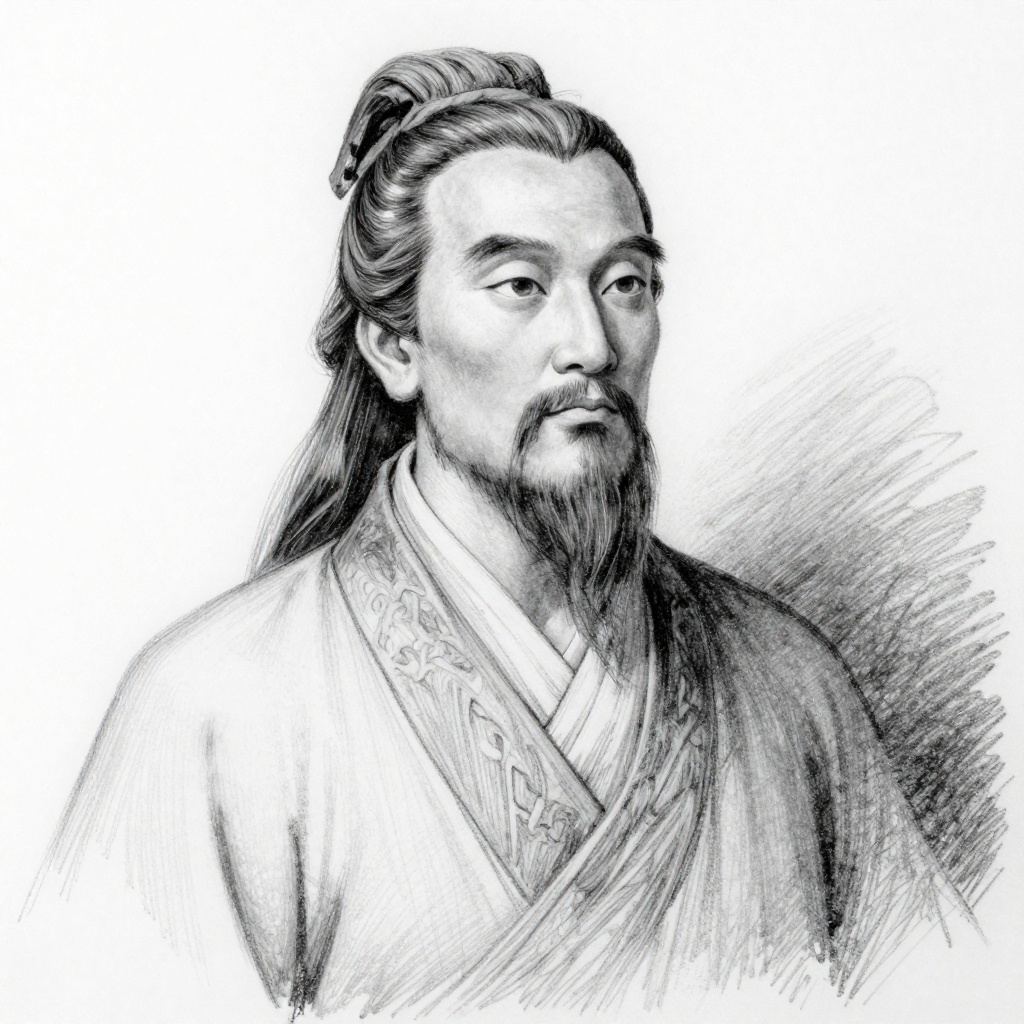
Comments