Quote · Added 14 February 2026
Do not impose on others what you yourself do not desire.
ConfuciusAnalects, Book 15, 2000
No ratings yet
Quote · Added 14 February 2026
We all know the golden rule in some form, but Confucius phrases it as a negative—don't do something rather than do something. That shift matters more than it sounds. It's not about performing kindness or earning points for good behavior. It's about noticing what you actually hate experiencing, then having the basic respect not to inflict it on someone else. If you hate being interrupted, really hate it, then you probably shouldn't interrupt others. If you despise being judged without context, you know what not to do.
The tricky part is that most of us are genuinely blind to our own impositions. We think we're helping when we're controlling, advising when we're criticizing, protecting when we're suffocating. We rationalize it as different because our intentions are pure. Confucius cuts through that. The question isn't what you meant—it's what you'd want if the roles flipped. Would you want unsolicited advice on your career? Would you want someone making decisions for you because they think they know better?
This becomes especially sharp in relationships where power is unequal—parent and child, boss and employee, expert and novice. The temptation to decide for someone else feels justified because you see further ahead. But Confucius suggests that clarity—start with your own experience. You know what it feels like to be overridden, doubted, or managed. Don't be that person.
d. 479
Confucius was a Chinese philosopher and teacher who lived in the 6th–5th century BC. Known for his ethical teachings, he emphasized personal and governmental morality, proper social relationships, justice, and sincerity. His ideas and philosophy, compiled in the Analects, have had a profound influence on Chinese culture and governance.
Also by Confucius
If you hate someone, then you are defeated by him.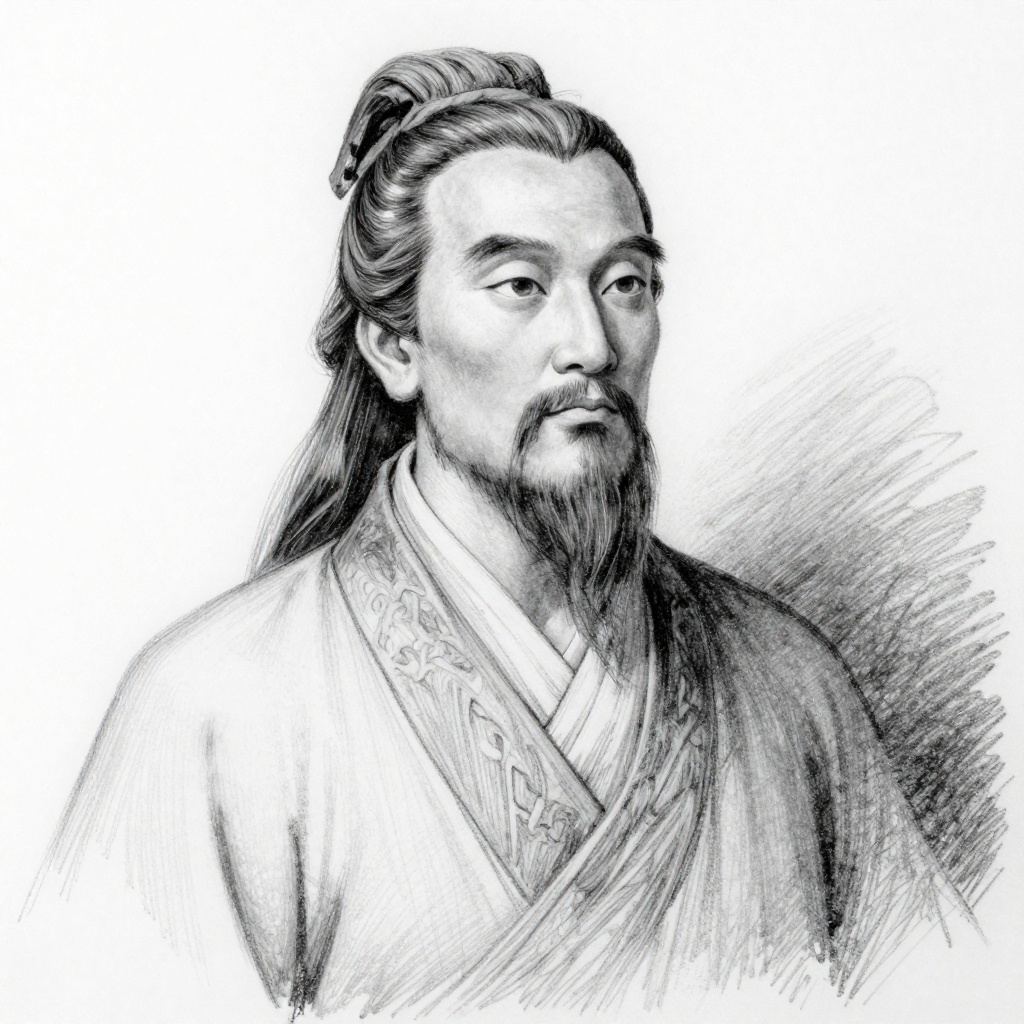
Comments