Quote · Added 24 April 2024
A great man is hard on himself; a small man is hard on others.
ConfuciusAnalects, Book 15, 2002
No ratings yet
Quote · Added 24 April 2024
We live in a culture obsessed with calling out everyone else's failures. It's easier—and oddly satisfying—to point out where someone messed up, what they should have done differently, or how they're falling short. But this quote suggests something uncomfortable: the energy we spend critiquing others is often proportional to how little we're examining ourselves.
A person genuinely committed to growth tends to be their own harshest critic. They replay their mistakes, question their motives, notice the gap between who they want to be and who they actually are. It's exhausting work, which is partly why many people skip it entirely and redirect that critical eye outward instead. It feels productive—you're identifying problems—but you're just not the one having to fix them.
The twist is that this isn't really about moral superiority. It's about where you choose to spend your limited attention and willpower. If you're constantly managing other people's behavior and standards, you're not building yourself. But if you're ruthlessly honest about your own blind spots, inconsistencies, and lazy thinking, you naturally have less energy left for resentment. You're too busy trying to improve.
d. 479
Confucius was a Chinese philosopher and teacher who lived in the 6th–5th century BC. Known for his ethical teachings, he emphasized personal and governmental morality, proper social relationships, justice, and sincerity. His ideas and philosophy, compiled in the Analects, have had a profound influence on Chinese culture and governance.
Also by Confucius
If you hate someone, then you are defeated by him.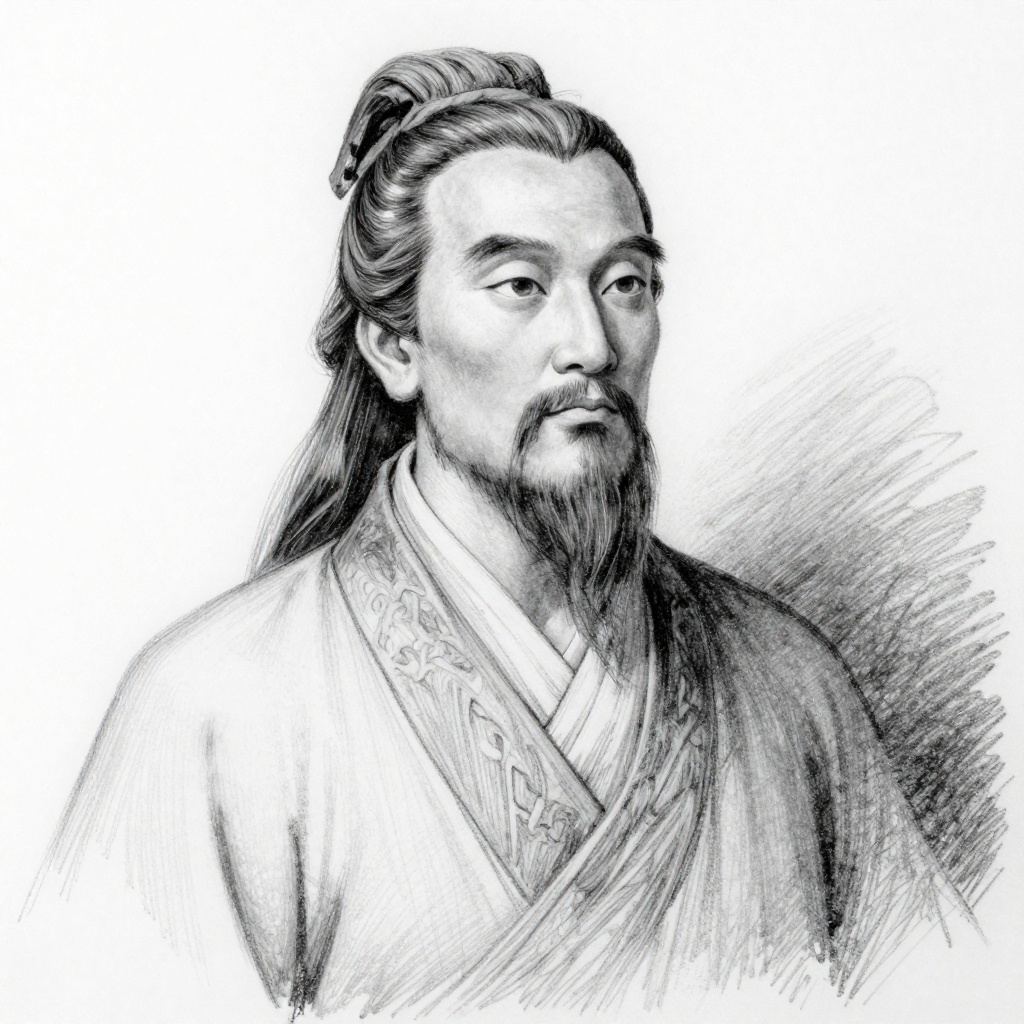
Comments