Quote · Added 15 February 2026
Explore
Reading
AI generatedChivalry never left, just changed forms
We often think of chivalry as a relic—something that belonged to knights in castles, not to us scrolling through our phones in 2024. But Kingsley catches something we miss: chivalry isn't about fancy manners or outdated codes. It's about the basic human impulse to step in when something is unfair, to defend someone who can't defend themselves, to act even when it's inconvenient. That impulse hasn't gone anywhere. It shows up every time someone speaks up in a meeting when a coworker is being dismissed, or when a stranger gets involved to help someone being treated badly on the street.
The uncomfortable part is that Kingsley's definition means chivalry can't retire. As long as injustice exists—and it always does—we're all still called to it. That's not romantic or noble-sounding; it's actually demanding. We can't just admire people who do the right thing from a distance. We're implicated the moment we see a wrong and have a choice about whether to act. Maybe that's why we find the idea of a past age of chivalry so appealing: it lets us off the hook. But Kingsley won't let us have it both ways.
The author
All 4 quotes by Charles Kingsley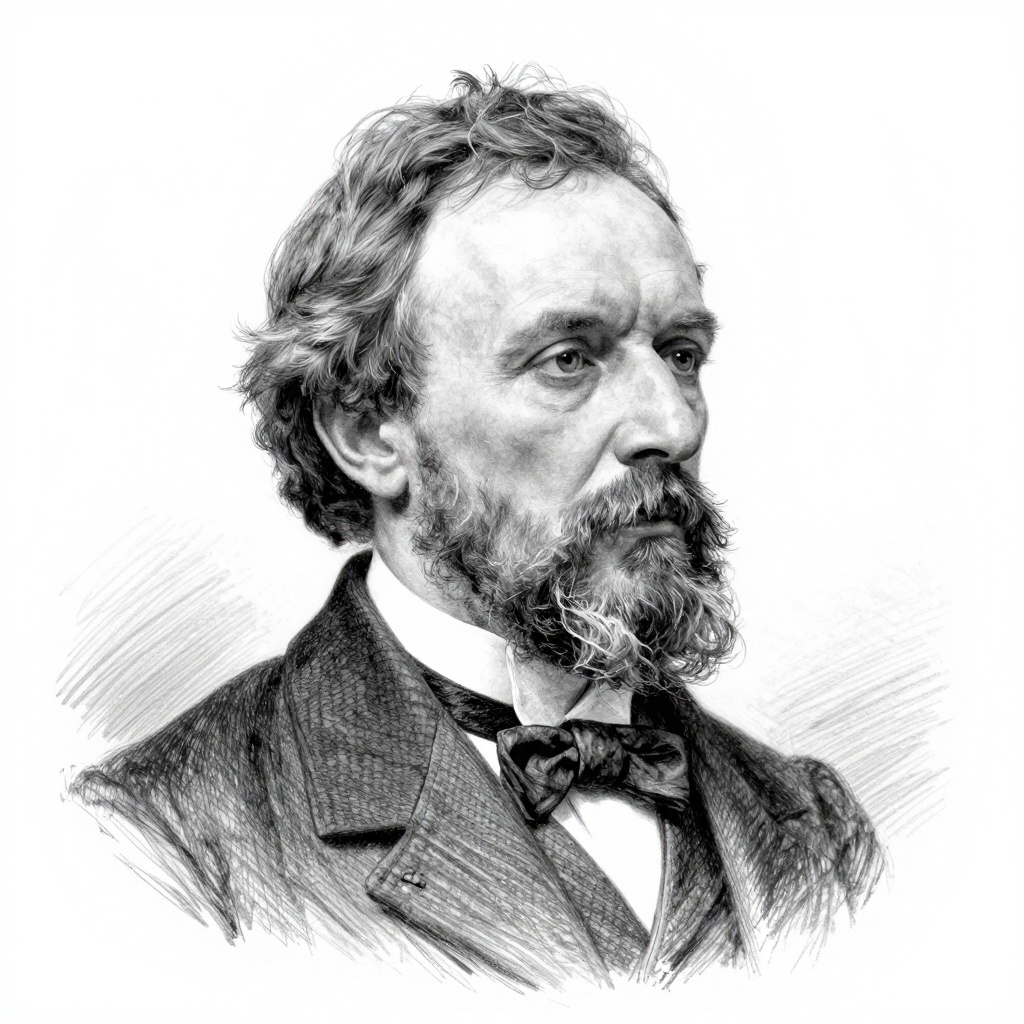
Charles Kingsley
1819–1875·lived 55 years
Charles Kingsley was an English novelist, historian, and clergyman born on June 12, 1819. He is best known for his narratives that often blend historical fact with moral themes, including the popular novel "Westward Ho!" and his role in promoting the social gospel, which emphasized social justice and reform. Kingsley was also a prominent figure in the Victorian community and contributed to the development of the Christian socialism movement. He passed away on January 23, 1875.
Also by Charles Kingsley
A blessed thing it is for any man or woman to have a friend, one human soul whom we can tr...
Comments