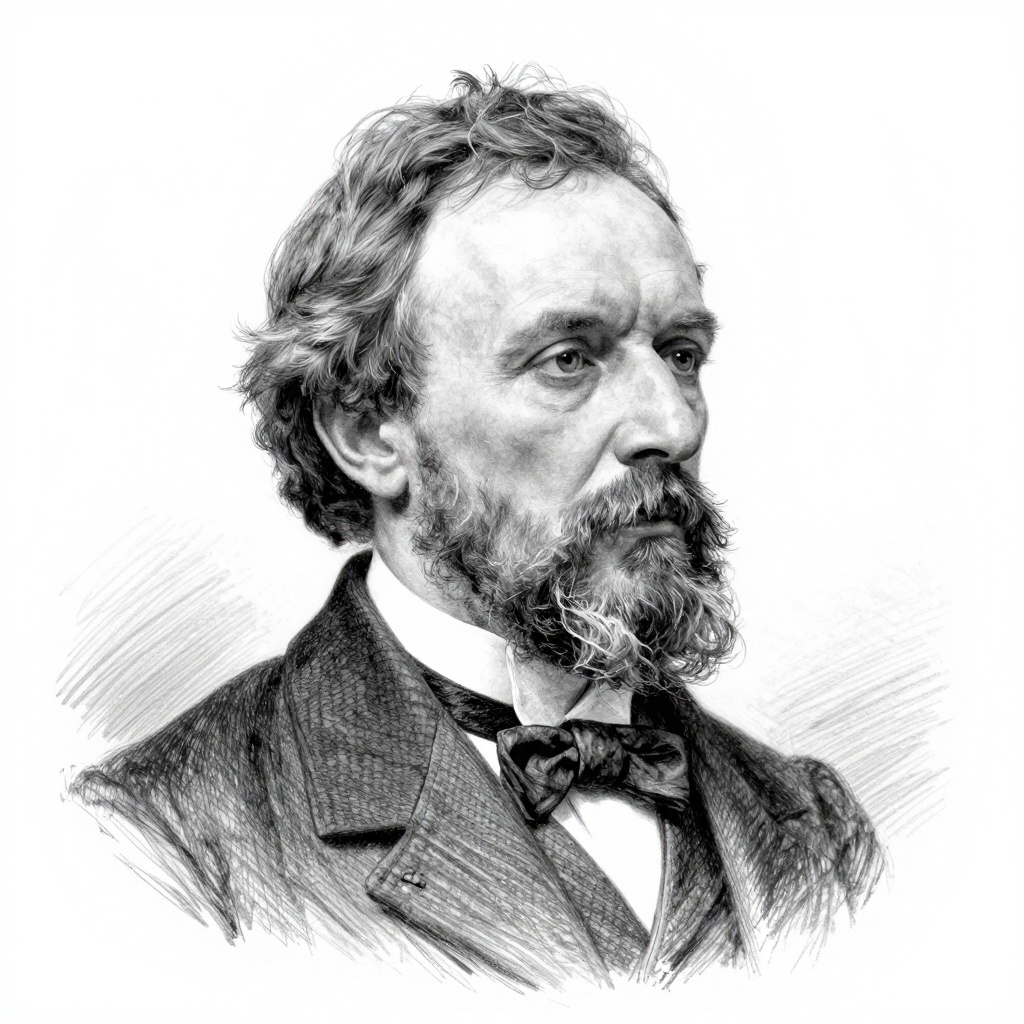
A blessed thing it is for any man or woman to have a friend, one human soul whom we can trust utterly, who kno... — Charles Kingsley

A blessed thing it is for any man or woman to have a friend, one human soul whom we can trust utterly, who knows the best and worst of us, and who loves us in spite of all our faults.

Author: Charles Kingsley

Insight: Most of us carry around a version of ourselves we show the world—polished, careful, edited. We highlight our wins and hide our 3 a.m. spirals. The exhaustion of this performance is real, even if we don't always notice it. That's why Kingsley's point about a friend who knows "the best and worst of us" hits differently. It's not about someone who tolerates your flaws or overlooks them. It's someone who actually sees them and stays anyway. That kind of witness changes something fundamental. The real blessing here isn't just having someone to call in a crisis, though that matters. It's the daily relief of not having to perform. With this person, your worst day doesn't feel like a failure you need to spin into a lesson. Your anxieties aren't problems you need to solve before mentioning them. That unconditional acceptance—the "loves us in spite of all our faults" part—turns out to be less about them being easy-going and more about you being able to actually breathe. In a world that constantly grades us and pivots away from anything difficult, one person who sticks around when they know who you really are? That's not just nice. That's the foundation for learning to accept yourself too.

The Friend Who Sees Everything

A blessed thing it is for any man or woman to have a friend, one human soul whom we can trust utterly, who knows the best and worst of us, and who loves us in spite of all our faults.

Most of us carry around a version of ourselves we show the world—polished, careful, edited. We highlight our wins and hide our 3 a.m. spirals. The exhaustion of this performance is real, even if we don't always notice it. That's why Kingsley's point about a friend who knows "the best and worst of us" hits differently. It's not about someone who tolerates your flaws or overlooks them. It's someone who actually sees them and stays anyway. That kind of witness changes something fundamental.

The real blessing here isn't just having someone to call in a crisis, though that matters. It's the daily relief of not having to perform. With this person, your worst day doesn't feel like a failure you need to spin into a lesson. Your anxieties aren't problems you need to solve before mentioning them. That unconditional acceptance—the "loves us in spite of all our faults" part—turns out to be less about them being easy-going and more about you being able to actually breathe.

In a world that constantly grades us and pivots away from anything difficult, one person who sticks around when they know who you really are? That's not just nice. That's the foundation for learning to accept yourself too.

AI generated

Comments

Sign in to leave a comment or reply to one.

Sign in

Charles Kingsley

Charles Kingsley was an English novelist, historian, and clergyman born on June 12, 1819. He is best known for his narratives that often blend historical fact with moral themes, including the popular novel "Westward Ho!" and his role in promoting the social gospel, which emphasized social justice and reform. Kingsley was also a prominent figure in the Victorian community and contributed to the development of the Christian socialism movement. He passed away on January 23, 1875.

Graph

Related