Quote · Added 14 February 2026
There are two freedoms - the false, where a man is free to do what he likes; the true, where he is free to do what he ought.
Charles KingsleyHis Letters and Memories of His Life, 1877
Quote · Added 14 February 2026
We live in a world obsessed with the first kind of freedom—the ability to do whatever we want. Want to scroll at 2 am? Go ahead. Want to say the cutting remark? You can. Want to skip the hard conversation? Nobody's stopping you. But anyone honest about their own life knows this freedom often feels like a trap. We end up more exhausted, more isolated, more stuck than free.
The second freedom is quieter and harder to see. It's the freedom that comes from actually doing what matters, even when it's uncomfortable. Showing up for someone who needs you. Telling the truth when lying would be easier. Working on something that matters instead of just consuming content. This sounds restrictive, but it's the opposite—it's liberating in a way that pure permissiveness never is. When you're living according to your actual values, there's a groundedness, a clarity, a sense that your life is yours.
The tension between these freedoms plays out constantly. You're free to ghosting someone or free to have the difficult goodbye conversation. Free to stay comfortable or free to pursue growth. The tricky part is that true freedom requires something—it demands intention, self-knowledge, and the willingness to sometimes disappoint yourself and others. That's why so many people never experience it.
1819–1875·lived 55 years
Charles Kingsley was an English novelist, historian, and clergyman born on June 12, 1819. He is best known for his narratives that often blend historical fact with moral themes, including the popular novel "Westward Ho!" and his role in promoting the social gospel, which emphasized social justice and reform. Kingsley was also a prominent figure in the Victorian community and contributed to the development of the Christian socialism movement. He passed away on January 23, 1875.
Also by Charles Kingsley
Some say that the age of chivalry is past, that the spirit of romance is dead. The age of...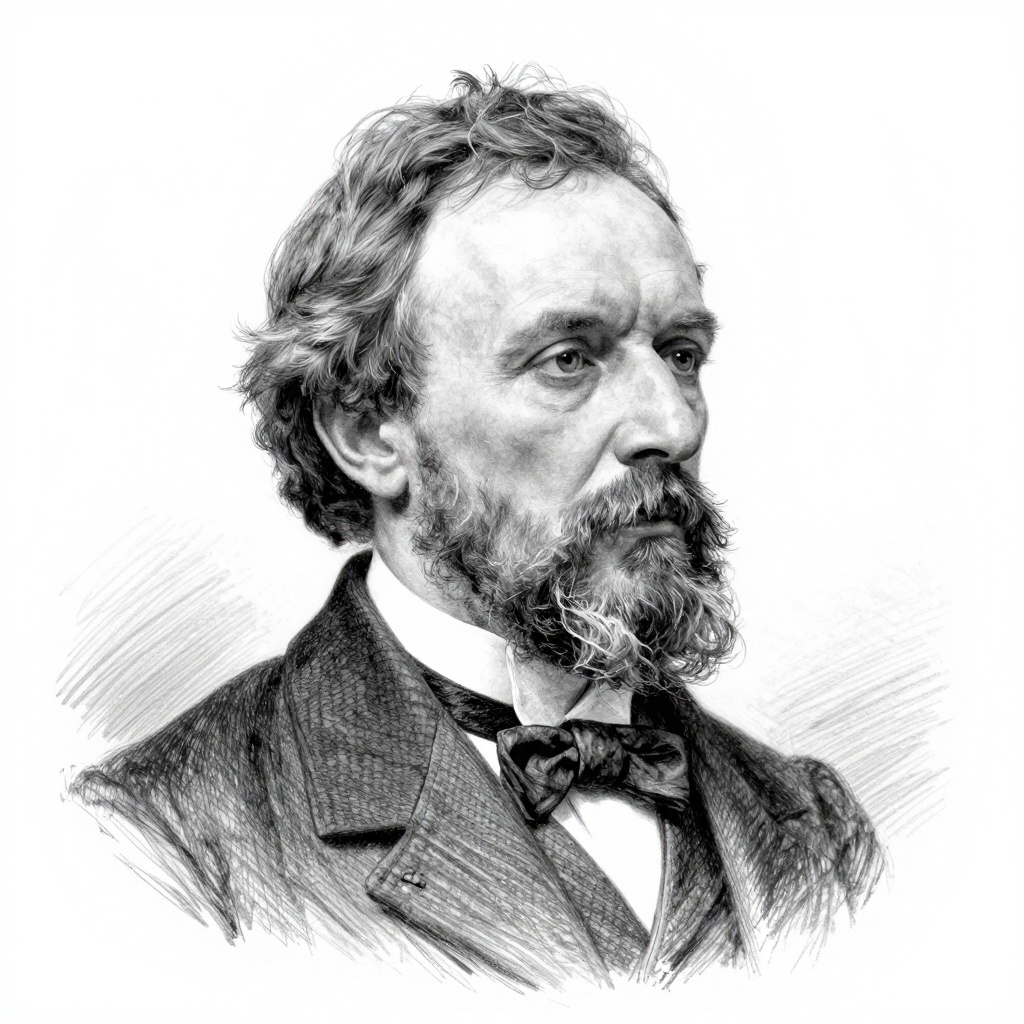
Comments