Quote · Added 11 November 2023
No one is useless in this world who lightens the burden of it for any one else.
Charles DickensOur Mutual Friend, 1865
Quote · Added 11 November 2023
We often measure our worth by what we produce, achieve, or accumulate. But Dickens points to something quieter and more universal: the simple act of making things easier for someone else. That could be listening without judgment, showing up when promised, or noticing when someone's struggling and offering a hand. These moments don't make headlines, but they're the fabric that holds communities together.
The clever part of this idea is that it redefines usefulness entirely. You don't need a fancy job title or impressive credentials. A parent who stays patient through a meltdown, a friend who remembers to ask how you're really doing, a neighbor who checks in on an elderly person—these people are absolutely essential, even if nobody's paying them or recognizing them publicly. The burden of just existing in the world is real. Uncertainty, loneliness, grief, mundane stress—everyone carries something. When you ease that load for even one person, you've done something profound.
This matters now especially. We're constantly evaluating ourselves against narrow metrics. Dickens reminds us that the most valuable thing we can offer isn't always visible or measurable. It's simply the willingness to care about making someone else's day slightly better.
1812–1870·lived 58 years
Charles Dickens was an English writer and social critic, widely considered one of the greatest novelists of the Victorian era. He is renowned for his vivid characters, intricate plots, and depictions of the social issues in his works, including classics such as "Oliver Twist," "Great Expectations," and "A Christmas Carol."
Also by Charles Dickens
I could always hear my better self clearing his throat in the room next door.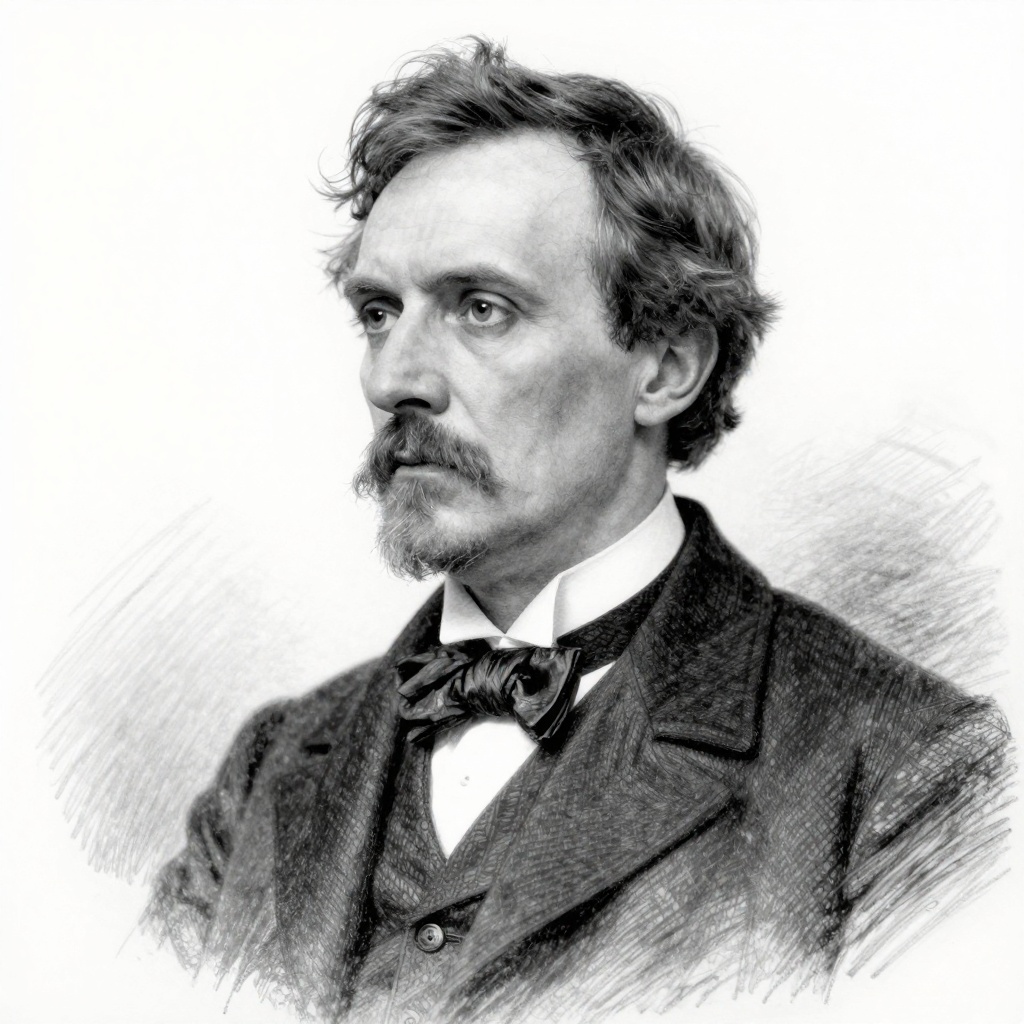
Comments