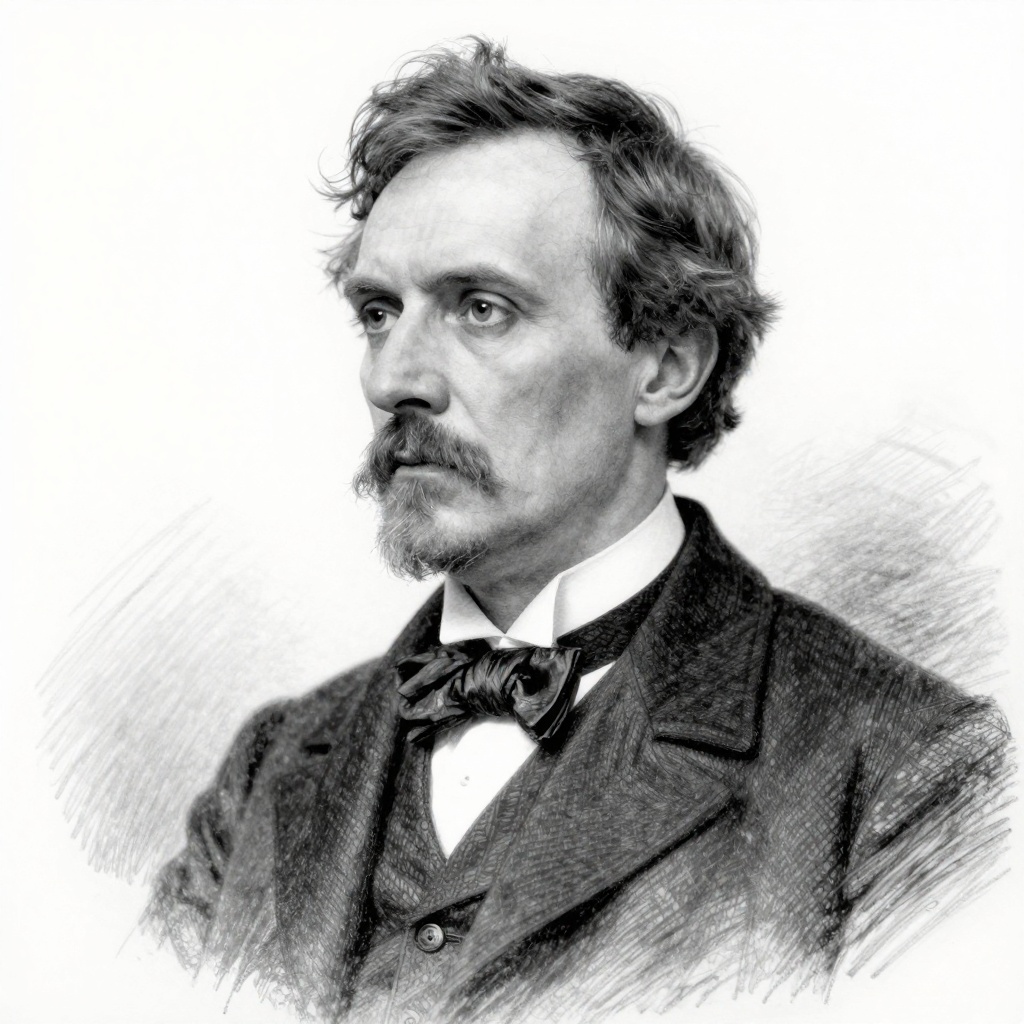
I could always hear my better self clearing his throat in the room next door. — Charles Dickens

I could always hear my better self clearing his throat in the room next door.

Author: Charles Dickens

Insight: There's something almost comical about this image—that nagging inner voice, perpetually on the other side of a door, trying to get your attention. It captures what most of us experience but rarely name: the constant awareness that we're capable of better, even when we're choosing something less. That throat-clearing isn't aggressive or condemning. It's almost polite, even a little frustrated, like your conscience is waiting patiently for you to turn the handle. What makes this observation so sharp is that Dickens isn't describing guilt exactly. He's describing the exhausting gap between who you are and who you know you could be. You're aware of it constantly—not in moments of crisis, but in the everyday choices. Scrolling instead of calling that friend. Taking the easier answer instead of the honest one. The throat-clearing happens while you're in the middle of the compromise, which is what makes it so hard to ignore. The insight hiding here is that this voice doesn't go away, and maybe it shouldn't. That discomfort, that nagging awareness of your own potential, is less a sign of failure and more evidence that you haven't entirely accepted mediocrity. It means some part of you still thinks better is possible—and as long as you can hear that clearing throat, you're still in the conversation with yourself.

Source: Great Expectations, chapter 27

I could always hear my better self clearing his throat in the room next door.

Charles DickensGreat Expectations, chapter 27

The voice you keep ignoring

There's something almost comical about this image—that nagging inner voice, perpetually on the other side of a door, trying to get your attention. It captures what most of us experience but rarely name: the constant awareness that we're capable of better, even when we're choosing something less. That throat-clearing isn't aggressive or condemning. It's almost polite, even a little frustrated, like your conscience is waiting patiently for you to turn the handle.

What makes this observation so sharp is that Dickens isn't describing guilt exactly. He's describing the exhausting gap between who you are and who you know you could be. You're aware of it constantly—not in moments of crisis, but in the everyday choices. Scrolling instead of calling that friend. Taking the easier answer instead of the honest one. The throat-clearing happens while you're in the middle of the compromise, which is what makes it so hard to ignore.

The insight hiding here is that this voice doesn't go away, and maybe it shouldn't. That discomfort, that nagging awareness of your own potential, is less a sign of failure and more evidence that you haven't entirely accepted mediocrity. It means some part of you still thinks better is possible—and as long as you can hear that clearing throat, you're still in the conversation with yourself.

Comments

Sign in to leave a comment or reply to one.

Sign in

Charles Dickens

Charles Dickens was an English writer and social critic, widely considered one of the greatest novelists of the Victorian era. He is renowned for his vivid characters, intricate plots, and depictions of the social issues in his works, including classics such as "Oliver Twist," "Great Expectations," and "A Christmas Carol."

Graph

Related