Quote · Added 14 February 2026
I will honor Christmas in my heart, and try to keep it all the year.
Charles DickensA Christmas Carol, 1843
Filed underchristmas·honor·commitment
Quote · Added 14 February 2026
Filed underchristmas·honor·commitment
Most people think keeping Christmas alive means putting up decorations in November or playing carols on repeat. But Dickens is pointing at something quieter and harder—the actual spirit of the thing. It's about holding onto that specific generosity of heart that Christmas invites in you, that willingness to see people as deserving of kindness, that impulse to give without calculating return. The real challenge isn't summoning it once a year. It's remembering it exists in March, in August, when nobody's watching and there's no festive permission slip.
What makes this especially worth thinking about now is how easy it is to compartmentalize our best selves. We're kind during the holidays, present at family dinners, generous with strangers. Then January comes and we revert to hurry, judgment, self-protection. Dickens knew this trap. He's not suggesting you stay perpetually cheerful or naive about human nature. He's suggesting that the choice to honor goodness—to act as if people matter, to give what you can—is always available, even on ordinary Tuesdays. The season doesn't create the spirit. You do, and you can renew it anytime you decide it matters enough.
1812–1870·lived 58 years
Charles Dickens was an English writer and social critic, widely considered one of the greatest novelists of the Victorian era. He is renowned for his vivid characters, intricate plots, and depictions of the social issues in his works, including classics such as "Oliver Twist," "Great Expectations," and "A Christmas Carol."
Also by Charles Dickens
I could always hear my better self clearing his throat in the room next door.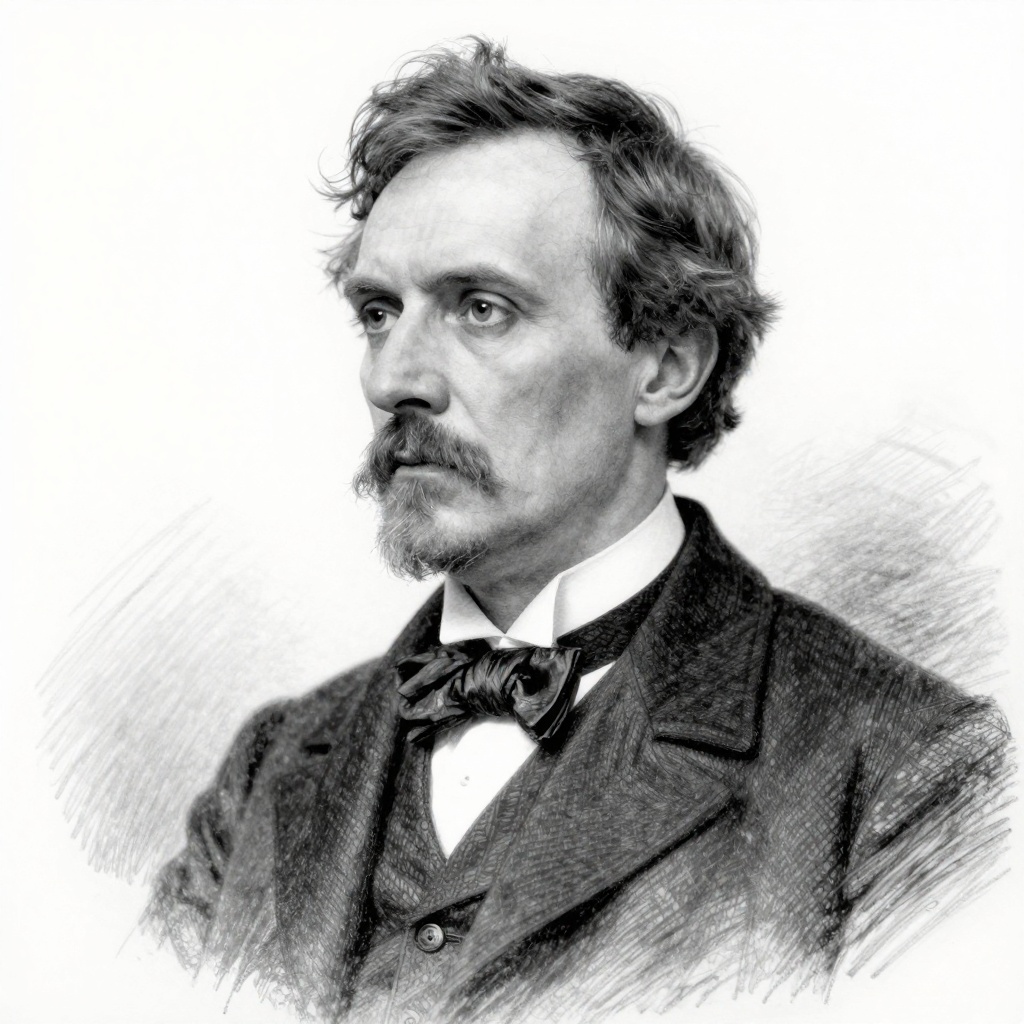
Comments