Quote · Added 19 February 2026
Reading
AI generatedWe cast everyone in our stories
There's something darkly funny about Dickens' observation—he's not wishing death on anyone, but rather noticing how someone's appearance or demeanor seems almost designed for a funeral. We still do this, don't we? We say someone has "the face of a poet" or "born to be a teacher," reading destiny in how people carry themselves. Dickens just took it to the extreme, the morbid endpoint of that habit.
What makes this observation stick is that it reveals something we don't usually admit: we're always aestheticizing people, sorting them into categories based on how they look or feel to us. That person seems fragile, suited for tragedy. This one has the bearing of success. We're not being cruel so much as pattern-matching, trying to make sense of human variety through appearance and intuition. Dickens just named the shadow side of that impulse—the way our minds sometimes complete the narrative of a person's life before they've even lived it.
The real insight? We're all walking around being mentally cast in other people's stories. The joke is just noticing it out loud, and having the wit to find some dark humor in the fact that we do it constantly, unconsciously, to everyone we meet.
The author
All 15 quotes by Charles Dickens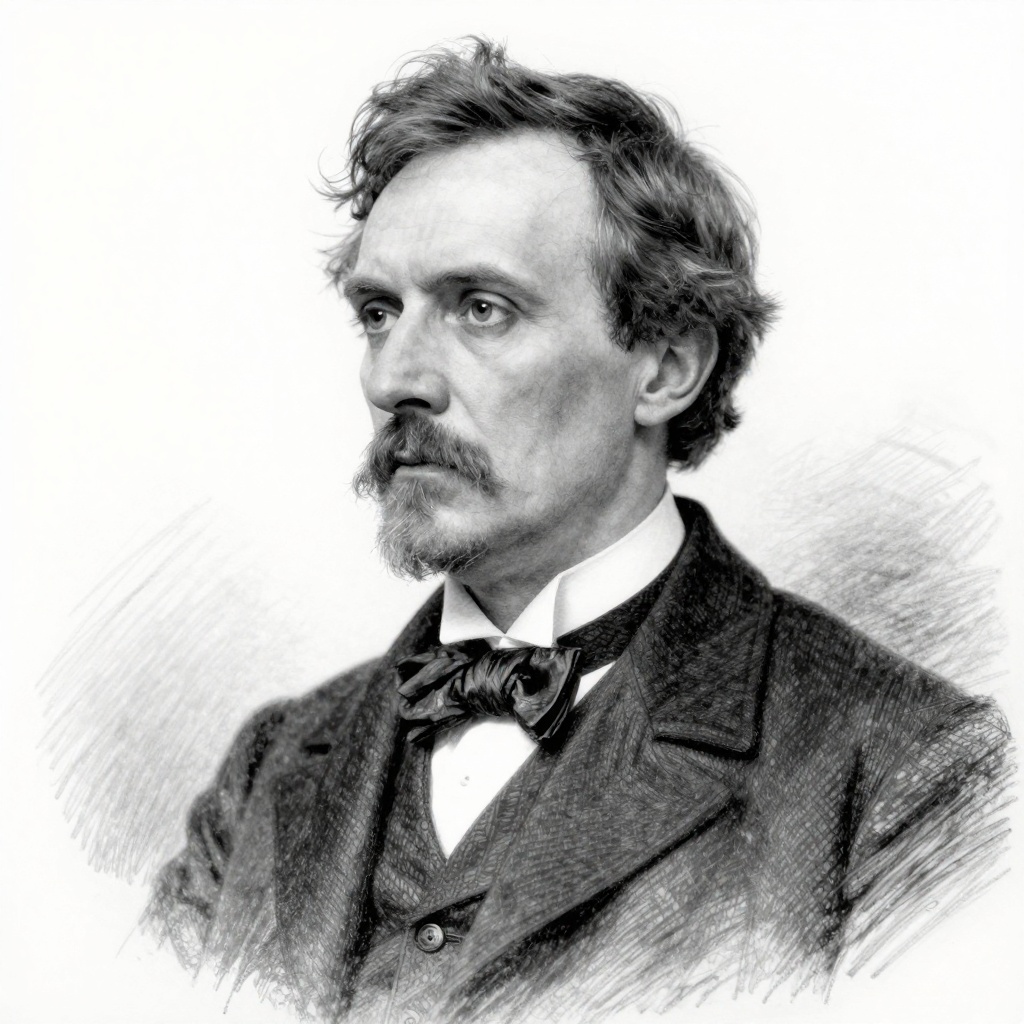
Charles Dickens
1812–1870·lived 58 years
Charles Dickens was an English writer and social critic, widely considered one of the greatest novelists of the Victorian era. He is renowned for his vivid characters, intricate plots, and depictions of the social issues in his works, including classics such as "Oliver Twist," "Great Expectations," and "A Christmas Carol."
Also by Charles Dickens
I could always hear my better self clearing his throat in the room next door.
Comments