Quote · Added 2 January 2024
Genius is nothing more nor less than childhood recaptured at will.
Charles BaudelaireThe Painter of Modern Life, 1863
No ratings yet
Filed undergenius·childhood·creativity
Quote · Added 2 January 2024
Filed undergenius·childhood·creativity
There's something uncomfortable about how we treat imagination once we hit adulthood. We don't lose the ability to dream or wonder—we just decide it's impractical, too soft, not serious enough for the real world. But watch a child solve a problem, and you see something we've trained out of ourselves: they don't know what's "impossible" yet, so they try strange combinations, ask "why not," follow tangents wherever they lead. That's not naivety. That's actually how breakthroughs happen.
The trick Baudelaire is pointing at isn't about being childish. It's about recapturing that permission you had to think sideways, to sit with curiosity instead of rushing to conclusions. The most innovative people in any field—artists, scientists, entrepreneurs—often describe their work as play. They kept that childhood thing alive: the willingness to be wrong, to pursue something just because it's interesting, to build without knowing the end result.
The challenge is that this recapture takes deliberate choice. You have to actively protect some part of your thinking from the pressure to be efficient, practical, already-knowing. It means defending your right to wonder, to tinker, to ask dumb questions. That's harder than it sounds in a world that constantly asks "what's the point?" But it might be exactly what separates the forgettable from the remarkable.
1821–1867·lived 46 years
Charles Baudelaire was a French poet, critic, and translator, born on April 9, 1821. Known for his collection of poems "Les Fleurs du mal" (The Flowers of Evil), he is regarded as one of the most influential figures in the history of Western literature, pioneering modern poetry with his innovative style and themes. Baudelaire's work often explored the complexities of modernity, beauty, decadence, and the darker aspects of human experience.
Also by Charles Baudelaire
Besides, I’m not in the mood for all this today. I have no desire to demonstrate, surprise...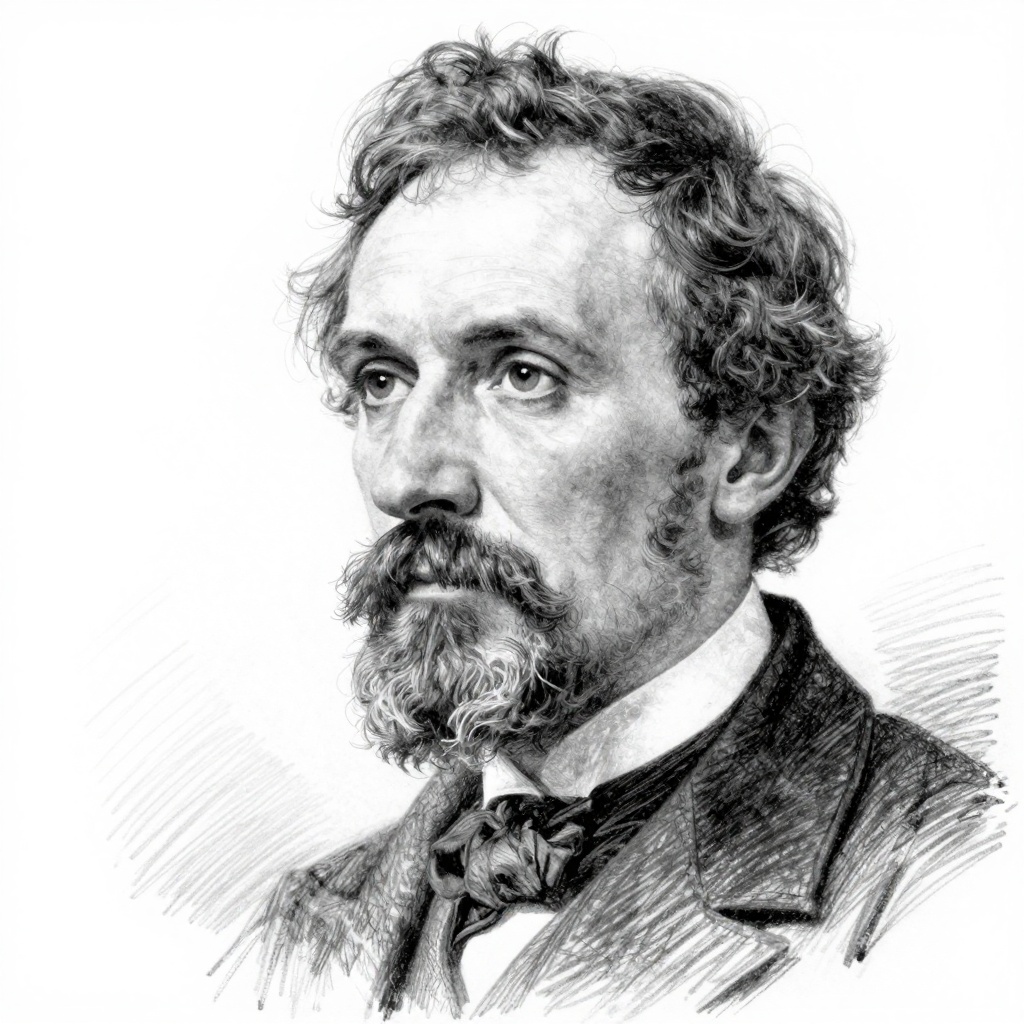
Comments