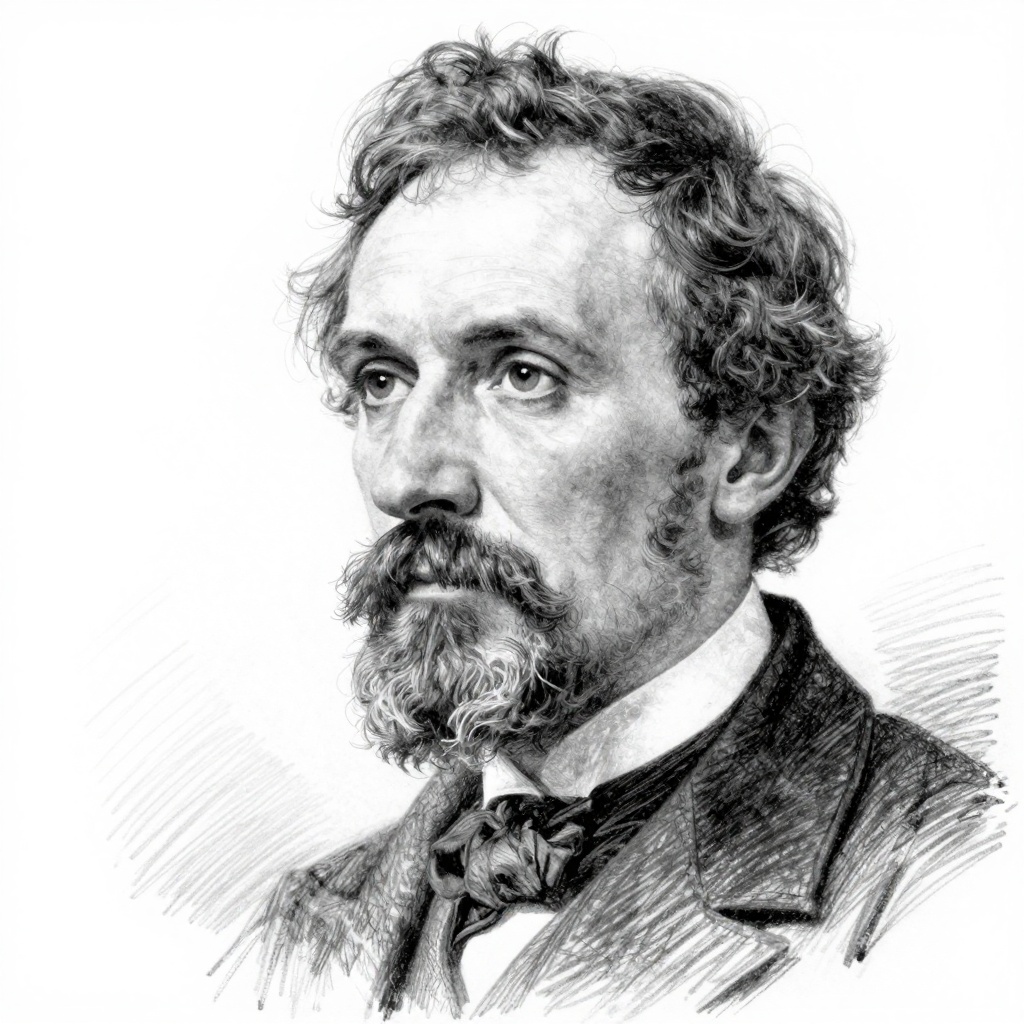
Besides, I’m not in the mood for all this today. I have no desire to demonstrate, surprise, amuse, or persuade... — Charles Baudelaire

Besides, I’m not in the mood for all this today. I have no desire to demonstrate, surprise, amuse, or persuade. My goal is absolute rest. To know nothing, to teach nothing, to want nothing, to sense nothing, to sleep, and then to sleep more.

Author: Charles Baudelaire

Insight: There's something radical about admitting you have nothing to give today. We live in a culture obsessed with optimization and output, where even your downtime is supposed to be productive—a chance to learn, network, or at least look like you're improving yourself. Baudelaire's declaration cuts through that entirely. He's not asking for a guilt-free afternoon; he's claiming something more fundamental: the right to be completely useless for a while. What makes this resonate now is how much energy we waste trying to manage our own exhaustion. We feel tired, so we try harder to rest "correctly"—meditation apps, wellness routines, the perfect sleep schedule. But sometimes what you actually need isn't another optimization. It's permission to want absolutely nothing from yourself or anyone else. No wit, no charm, no bright observations to share. Just the bare minimum of existing. The deeper insight is that Baudelaire isn't describing depression or laziness so much as a kind of radical honesty about our limits. We all hit those moments where the idea of being "on" feels impossible. Recognizing that point—and actually stopping instead of pushing through—might be the only real rest available. The goal isn't productivity even in your rest; it's the freedom to be genuinely, unapologetically spent.

The radical right to want nothing

Besides, I’m not in the mood for all this today. I have no desire to demonstrate, surprise, amuse, or persuade. My goal is absolute rest. To know nothing, to teach nothing, to want nothing, to sense nothing, to sleep, and then to sleep more.

There's something radical about admitting you have nothing to give today. We live in a culture obsessed with optimization and output, where even your downtime is supposed to be productive—a chance to learn, network, or at least look like you're improving yourself. Baudelaire's declaration cuts through that entirely. He's not asking for a guilt-free afternoon; he's claiming something more fundamental: the right to be completely useless for a while.

What makes this resonate now is how much energy we waste trying to manage our own exhaustion. We feel tired, so we try harder to rest "correctly"—meditation apps, wellness routines, the perfect sleep schedule. But sometimes what you actually need isn't another optimization. It's permission to want absolutely nothing from yourself or anyone else. No wit, no charm, no bright observations to share. Just the bare minimum of existing.

The deeper insight is that Baudelaire isn't describing depression or laziness so much as a kind of radical honesty about our limits. We all hit those moments where the idea of being "on" feels impossible. Recognizing that point—and actually stopping instead of pushing through—might be the only real rest available. The goal isn't productivity even in your rest; it's the freedom to be genuinely, unapologetically spent.

AI generated

Comments

Sign in to leave a comment or reply to one.

Sign in

Charles Baudelaire

Charles Baudelaire was a French poet, critic, and translator, born on April 9, 1821. Known for his collection of poems "Les Fleurs du mal" (The Flowers of Evil), he is regarded as one of the most influential figures in the history of Western literature, pioneering modern poetry with his innovative style and themes. Baudelaire's work often explored the complexities of modernity, beauty, decadence, and the darker aspects of human experience.

Graph

Related