Quote · Added 19 February 2026
Unable to suppress love, the Church wanted at least to disinfect it, and it created marriage.
No ratings yet
Quote · Added 19 February 2026
Baudelaire's observation cuts at something most of us feel but rarely name: institutions often don't eliminate what they disapprove of, they domesticate it. The Church couldn't stop people from falling in love, so it wrapped love in rules, vows, and social legitimacy. But here's what's interesting—this wasn't entirely cynical. Creating marriage actually worked as a containment strategy. It turned wild, unpredictable passion into something legible, property-based, and manageable by authority.
We do this constantly in less obvious ways. We can't eliminate workplace gossip, so we create "feedback channels." We can't stop teenagers from wanting to rebel, so we build sanctioned outlets for it. We can't prevent ambition, so we channel it into promotions and titles. The pattern is everywhere: when you can't kill the impulse, you build a structure around it.
The odd part is that marriage actually survived its own instrumentalization. Even though it was designed as a kind of love's prison, countless people found something genuine within it anyway. Which suggests that sometimes the container and the thing contained develop a real relationship. The irony Baudelaire spotted—that institutions often reshape rather than eliminate human desires—is still how the world works. We're all still figuring out which structures serve us and which ones just manage us.
1821–1867·lived 46 years
Charles Baudelaire was a French poet, critic, and translator, born on April 9, 1821. Known for his collection of poems "Les Fleurs du mal" (The Flowers of Evil), he is regarded as one of the most influential figures in the history of Western literature, pioneering modern poetry with his innovative style and themes. Baudelaire's work often explored the complexities of modernity, beauty, decadence, and the darker aspects of human experience.
Also by Charles Baudelaire
Besides, I’m not in the mood for all this today. I have no desire to demonstrate, surprise...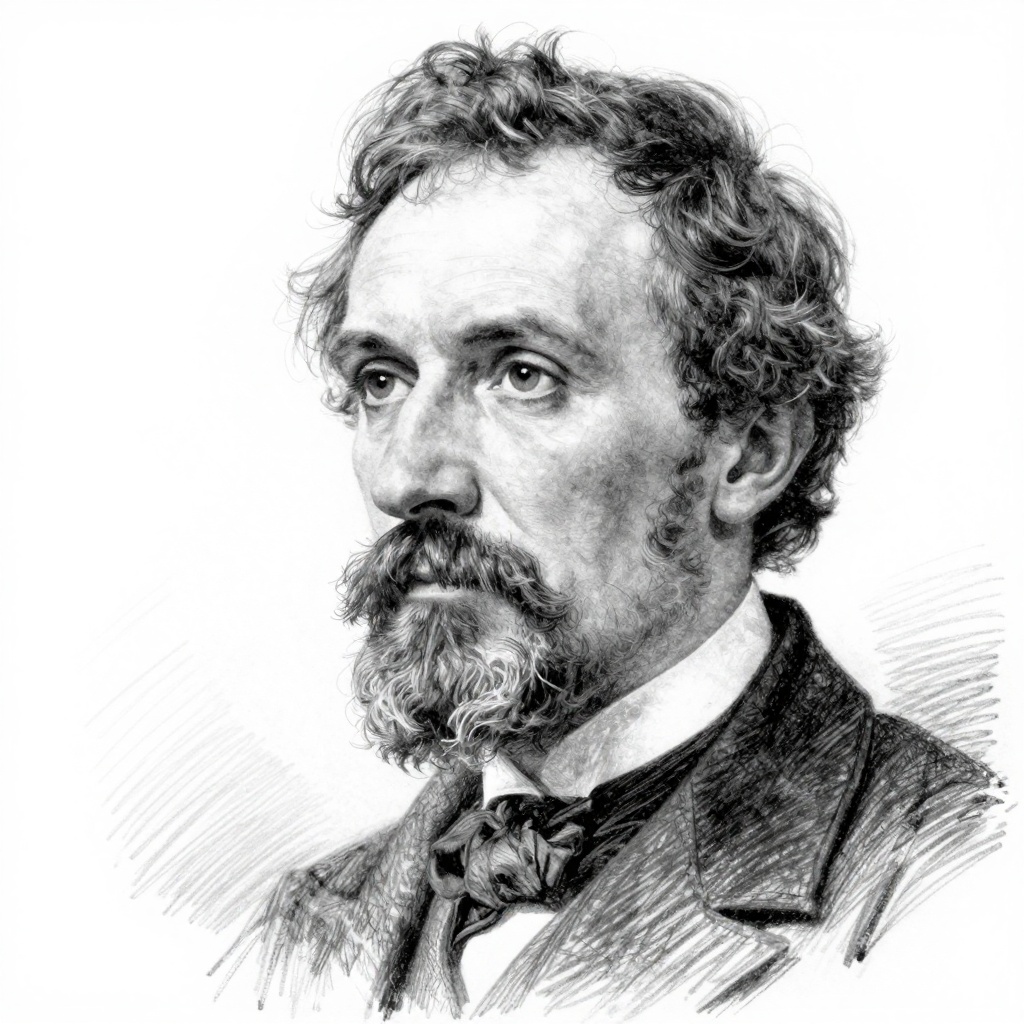
Comments