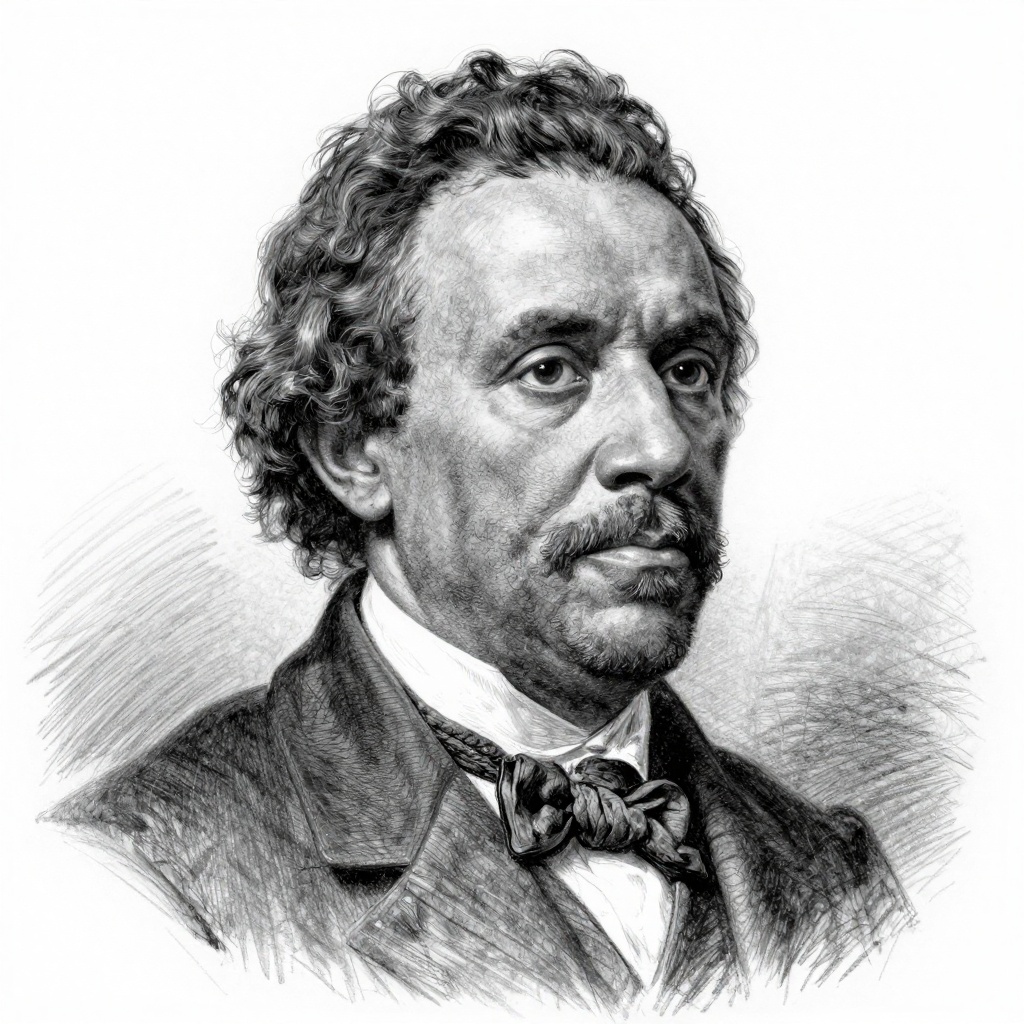
I am of the African race, and in the colour which is natural to them of the deepest dye; and it is under a sen... — Benjamin Banneker
I am of the African race, and in the colour which is natural to them of the deepest dye; and it is under a sense of the most profound gratitude to the Supreme Ruler of the Universe.
Author: Benjamin Banneker
Insight: There's something quietly radical about the way Banneker claims his identity here. He doesn't apologize for his skin color or frame it as something to overcome. Instead, he states it plainly—"of the deepest dye"—and immediately connects it to gratitude and spiritual conviction. It's a form of unapologetic self-affirmation that pushes back against the whispered shame his era tried to impose. What makes this resonate today is how it cuts through the modern noise about identity. Banneker isn't performing pride or anger; he's simply refusing the framework that would make him small. He's saying: this is who I am, and I'm grateful for it. That distinction matters. There's power in not needing to shout or defend, just in stating the truth with the calm confidence of someone who knows their own worth. The spiritual dimension adds another layer too. By grounding his self-acceptance in faith rather than ideology, Banneker suggests something we often forget: accepting ourselves fully—our background, our appearance, our history—can be an act of reverence, not vanity. It's about recognizing that we don't need permission from the world to be grateful for our own existence.