Quote · Added 14 February 2026
There is no hope unmingled with fear, and no fear unmingled with hope.
Baruch SpinozaEthics, p. 123, 1677
No ratings yet
Quote · Added 14 February 2026
Hope and fear aren't opposites—they're actually two sides of the same coin. When you hope for something, you're implicitly afraid of not getting it. When you're afraid of something, there's usually a flicker of hope that maybe it won't happen. They feed each other.
This matters because we often try to separate them. We want to be hopeful without the vulnerability of possible disappointment. We want to face our fears without admitting we still believe things could turn out okay. But that split doesn't match how we actually work. The person hoping for a job interview feels the same nervous energy as someone dreading it—the only difference is where they're pointing their attention.
What's surprisingly freeing about recognizing this mingling is that it lets you stop treating hope and fear as enemies to overcome. Instead of trying to "think positive" and erase doubt, or "be realistic" and kill your hopes, you can hold both at once. Acknowledging fear doesn't destroy hope. In fact, it might be the most honest ground hope has to stand on—the understanding that something truly matters precisely because it could go wrong.
1632–1677·lived 44 years
Baruch Spinoza was a Dutch philosopher known for his rationalist approach and contributions to the fields of metaphysics, epistemology, and ethics. He is best known for his magnum opus, "Ethics," in which he explored the nature of God, the mind-body connection, and the concept of free will. Spinoza's ideas laid the groundwork for the Enlightenment and have had a lasting impact on Western philosophy.
Also by Baruch Spinoza
Fear cannot be without hope nor hope without fear.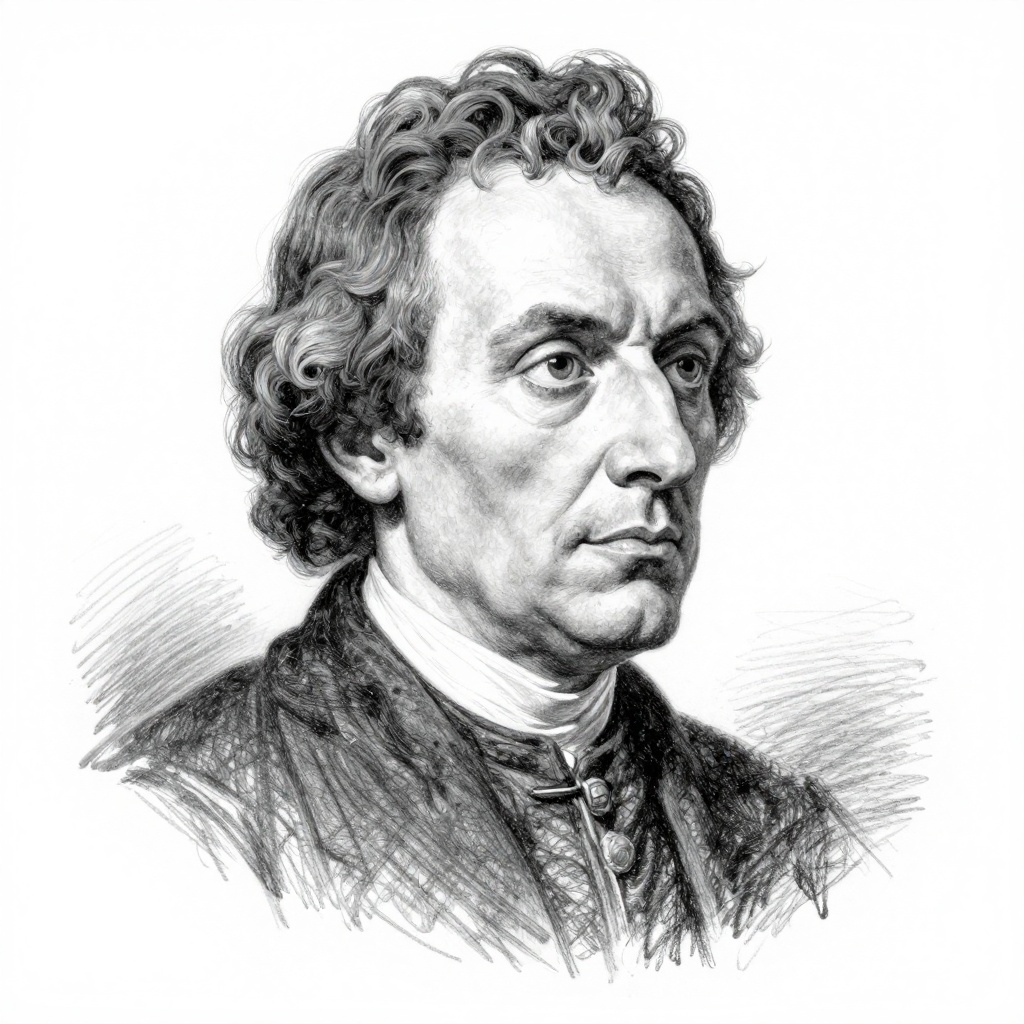
Comments