Quote · Added 14 February 2026
A single lie destroys a whole reputation of integrity.
Baltasar GracianThe Art of Worldly Wisdom, 1647
No ratings yet
Filed underlie·integrity·reputation
Quote · Added 14 February 2026
Filed underlie·integrity·reputation
We live in an age where trust is built slowly and destroyed in seconds. One false claim, one exaggeration you hoped nobody would fact-check, one promise you didn't keep—and suddenly everything you've built starts to crumble. It's not fair, exactly, but it's also the most logical consequence imaginable. If someone can't trust you on one thing, why would they trust you on anything else? The math is simple and brutal.
What makes this quote sting is that it's not about major deceptions or criminal lies. It's about the small ones—the embellished resume bullet point, the reason you gave for being late, the compliment you didn't entirely mean. Each one seems forgivable in isolation, but collectively they chip away at the foundation. People notice inconsistency even when they can't quite name it. They feel it before they can prove it.
The counterintuitive part is that integrity isn't actually fragile—it's remarkably durable if you build it honestly. But the moment you treat truthfulness as negotiable depending on circumstances, you've changed the game. You're no longer someone who tells the truth; you're someone who calculates when to tell it. And that distinction, once recognized, is nearly impossible to walk back.
1601–1658·lived 57 years
Baltasar Gracián was a Spanish Jesuit priest and philosopher born on January 8, 1601, in Belmes, Spain. He is best known for his works on baroque philosophy and moral essays, particularly "The Art of Worldly Wisdom," which provides guidance on navigating social and political life with shrewdness and ethical insight. Gracián's writings have influenced a range of thinkers and writers, making him a significant figure in Spanish literature and philosophy.
Also by Baltasar Gracian
Let him that hath no power of patience retire within himself, though even there he will ha...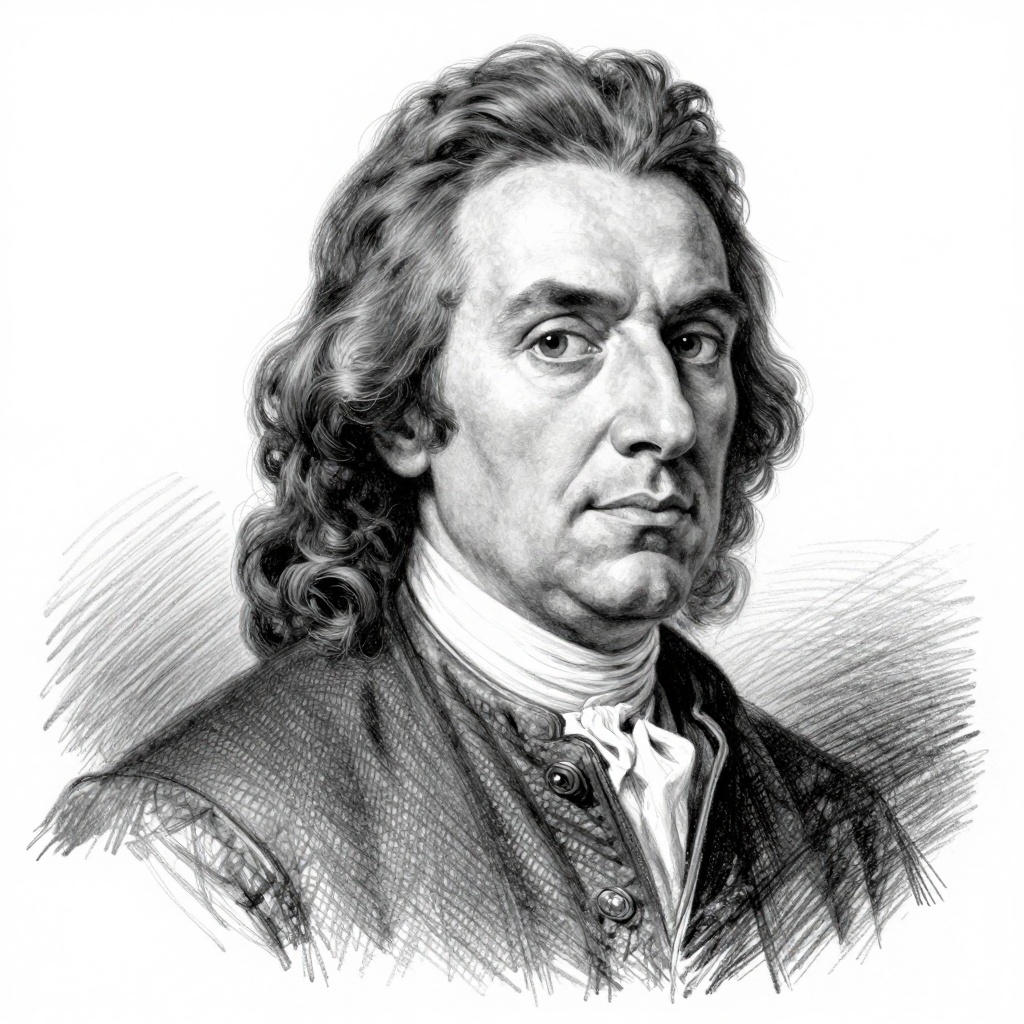
Comments