Quote · Added 14 February 2026
Friends and acquaintances are the surest passport to fortune.
Filed underfriends·fortune·connections
Quote · Added 14 February 2026
Filed underfriends·fortune·connections
We usually tell ourselves that hard work and talent are what matter most. But if you watch how things actually happen—jobs filled, opportunities discovered, problems solved—you'll notice something consistent: someone knew someone. The friend who mentioned an opening. The acquaintance who introduced you to the right person. The casual connection who remembered you when something came up. This isn't cynical; it's just how information and opportunity flow through the world.
What makes this observation sting a bit is that it suggests pure merit alone isn't enough. You can be brilliant and skilled and still get nowhere if you're isolated. But there's also something freeing in recognizing this. It means fortune isn't some mysterious force—it's partly about the ordinary work of staying connected, showing up, maintaining loose ties. The people around you become a kind of currency, not because relationships are transactional, but because they're how the world actually functions.
The deeper insight Schopenhauer hints at is that this isn't shallow networking strategy. It's about the fact that we live in networks, not alone. Your web of relationships shapes what you know, what opportunities find you, what doors even exist. Building genuine connections isn't a side project to your real ambitions—for most people, it's actually central to how ambitions become real.
1788–1860·lived 72 years
Arthur Schopenhauer was a German philosopher known for his pessimistic philosophy that emphasized the inherent suffering of existence. He is renowned for his work "The World as Will and Representation," which had a significant influence on 19th-century philosophy and later existential thought.
Also by Arthur Schopenhauer
The shortness of life, so often lamented, may perhaps be the very best thing about it.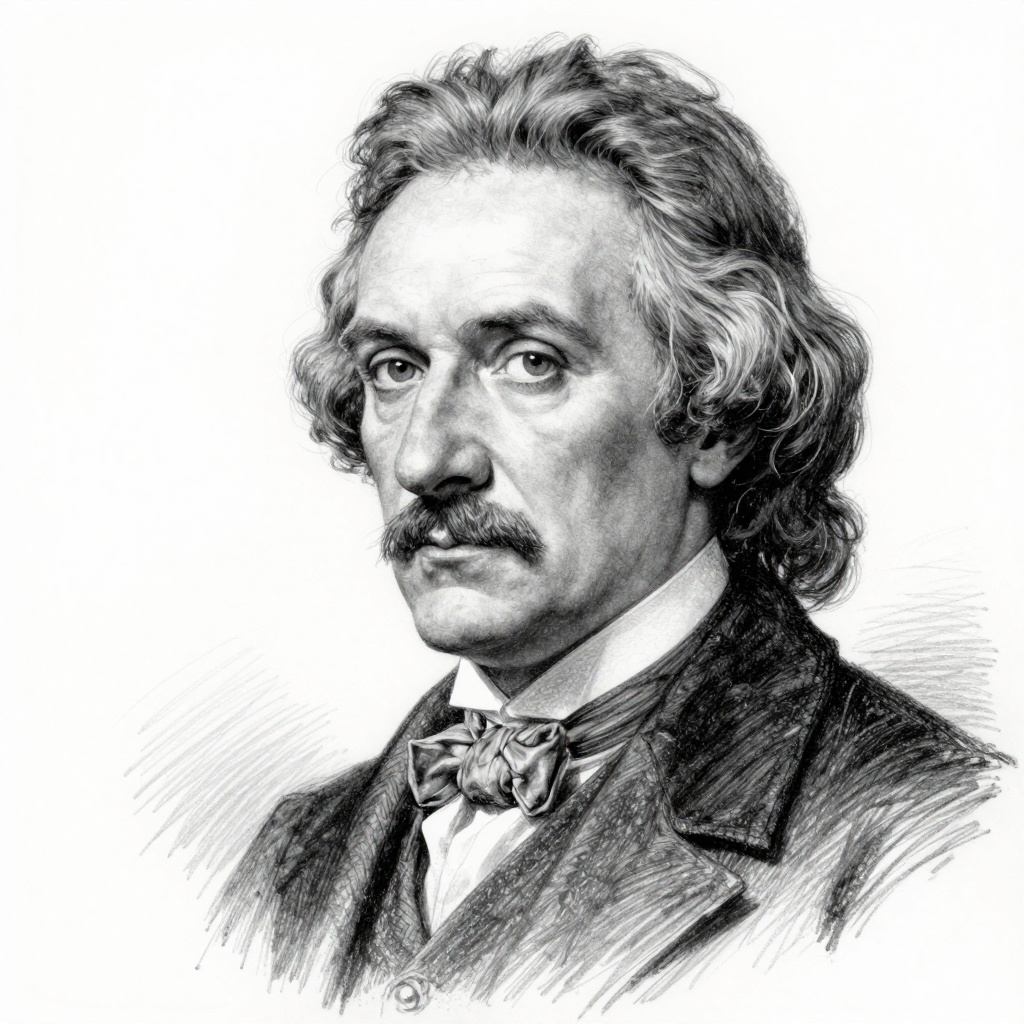
Comments