Quote · Added 22 February 2026
If a man is to be liked, he must really be inferior in point of intellect.
Filed underintellect·inferiority·perception
Quote · Added 22 February 2026
Filed underintellect·inferiority·perception
There's something almost funny about this observation, because most of us recognize the tension it points to. We've all known the smartest person in the room who somehow ended up alone, and the less brilliant person everyone genuinely wanted to spend time with. Schopenhauer is suggesting that towering intellect can actually repel people—it makes you seem less approachable, less human, less like someone they can relax around.
The insight works because it captures something true about how equality shapes connection. When someone is clearly much smarter than you, there's an uncomfortable dynamic. You can't quite banter as equals. There's always this subtle imbalance, and humans instinctively pull back from that. The people we actually like tend to have edges we recognize in ourselves—flaws, uncertainties, blind spots. They're interesting, but not in a way that makes us feel smaller.
This doesn't mean intelligence is bad or that you should hide what you know. But it's worth noticing that the most liked people in your life are probably not proving their brilliance constantly. They're comfortable enough with what they know to ask genuine questions. They make room for other people's ideas. They're smart enough to seem human. That paradox—that appearing totally competent can be less likable than appearing slightly, refreshingly imperfect—still shapes how we relate to each other.
1788–1860·lived 72 years
Arthur Schopenhauer was a German philosopher known for his pessimistic philosophy that emphasized the inherent suffering of existence. He is renowned for his work "The World as Will and Representation," which had a significant influence on 19th-century philosophy and later existential thought.
Also by Arthur Schopenhauer
The shortness of life, so often lamented, may perhaps be the very best thing about it.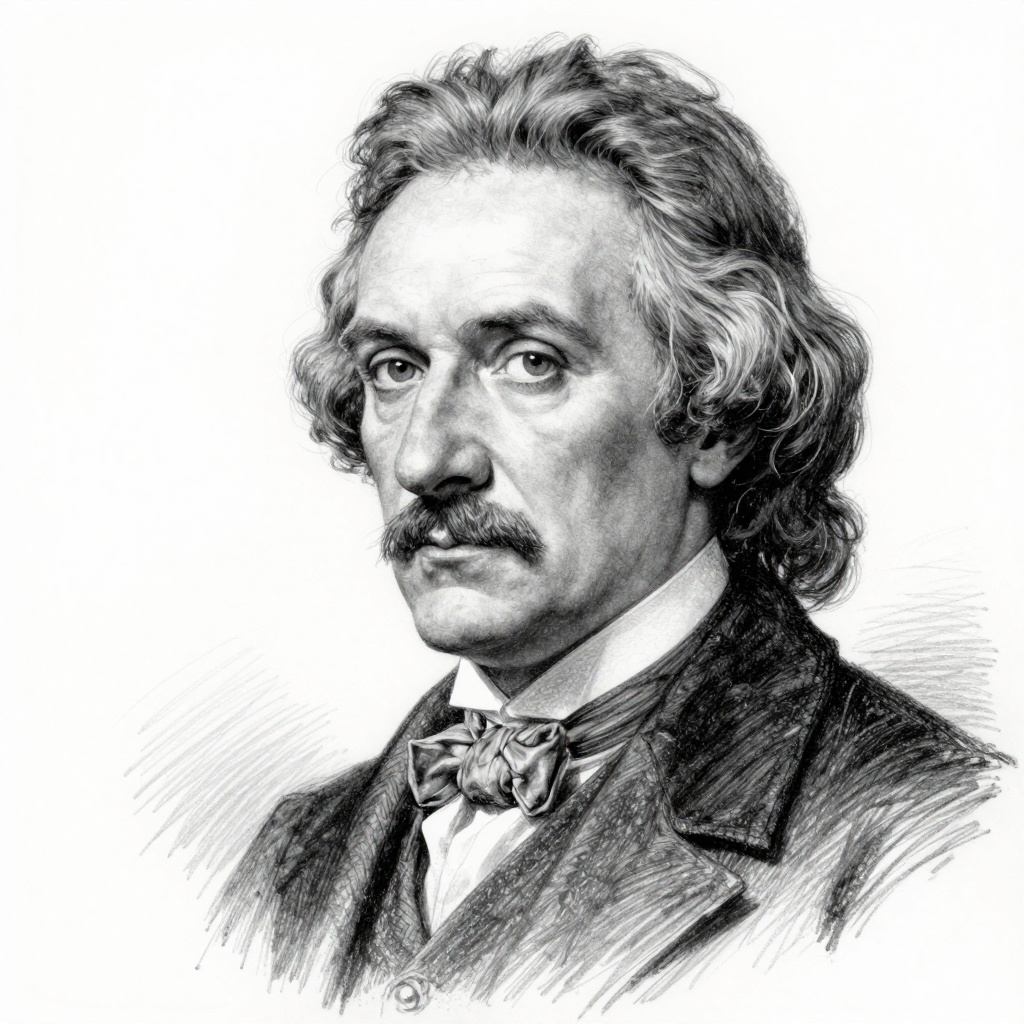
Comments