Quote · Added 7 March 2026
Explore
Reading
AI generatedBorn Defending What We Didn't Choose
We're born into a package deal we never agreed to. Your name, your faith, your country, even which side of some invisible line you belong to—these arrive before you can say a word about them. Then the strange part begins: you spend decades defending these assignments as if they were your deepest personal convictions. You argue about your religion with certainty, though you inherited it from geography. You're patriotic about a nation you didn't select. You carry an identity that was decided in the hospital nursery.
The real trap isn't that these things were chosen for us—it's that we internalize them so completely we forget they were ever choices at all. They become us, and criticizing them feels like a personal attack. This matters today because we're constantly confusing inherited circumstances with personal identity. Someone challenges your politics and it feels like they're attacking you. Your cultural traditions feel non-negotiable because they've been woven into your sense of self since before you could think.
The gift in noticing this pattern is freedom. Once you see that your name, beliefs, and affiliations were accidents of birth, you get to ask a stranger question: which parts do I actually choose to keep? That's different from defending them. That's ownership.
The author
All 23 quotes by Arthur Schopenhauer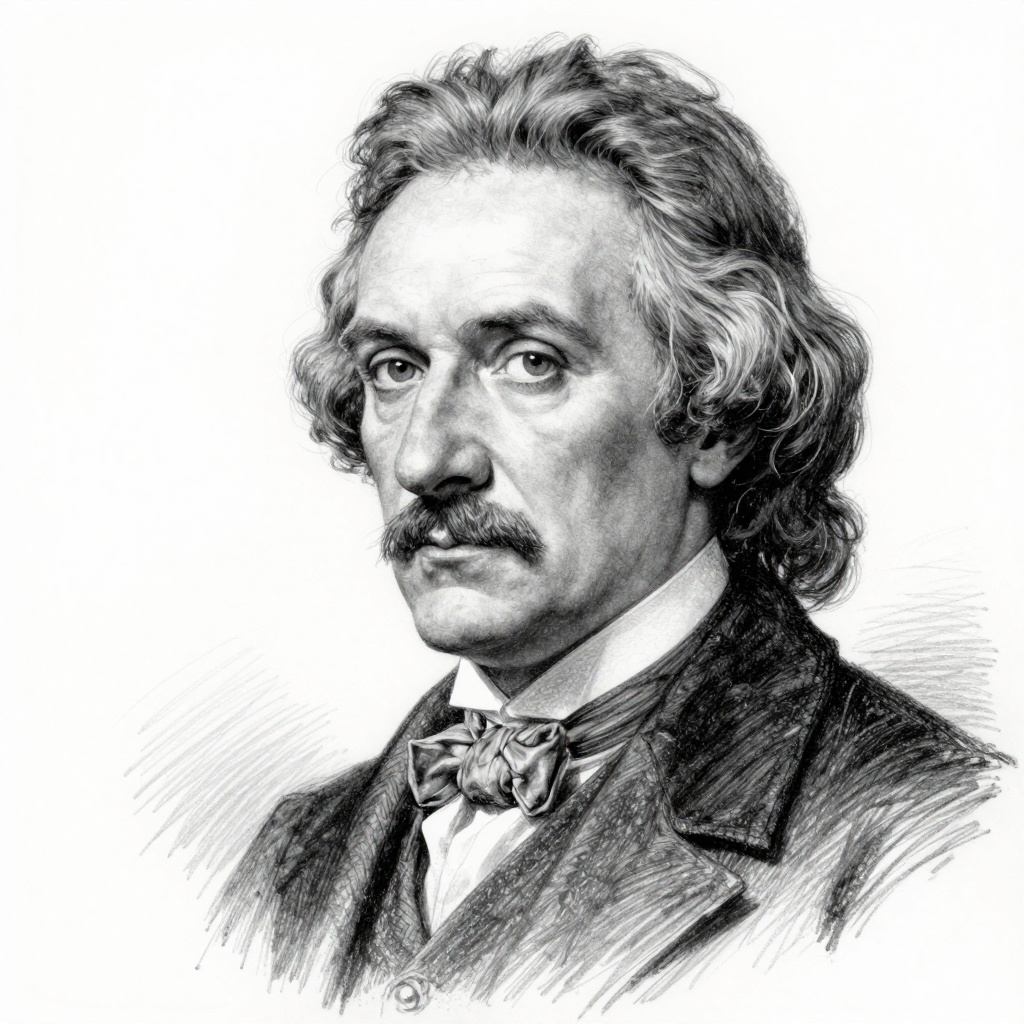
Arthur Schopenhauer
1788–1860·lived 72 years
Arthur Schopenhauer was a German philosopher known for his pessimistic philosophy that emphasized the inherent suffering of existence. He is renowned for his work "The World as Will and Representation," which had a significant influence on 19th-century philosophy and later existential thought.
Also by Arthur Schopenhauer
The shortness of life, so often lamented, may perhaps be the very best thing about it.
Comments