Quote · Added 16 March 2026
Explore
Reading
AI generatedYou can't choose your desires
We live in a culture obsessed with willpower—the idea that if you just want something badly enough and push hard enough, you can make it happen. But there's a quieter truth lurking beneath this: you can't actually choose what you want in the first place. Your desires show up unbidden. You don't decide to crave coffee or feel drawn to a particular person or get restless in your job. They arrive as facts of your nature.
What you can control is what you do with those wants once they appear. You can act on them or resist them. You can negotiate with them, redirect them, or sit with the discomfort of not acting on them. But the wanting itself? That's not a choice. This distinction matters because it takes the shame out of desire while keeping the responsibility in action. You're not weak for wanting the wrong things. You're human. The real question becomes: what will you do about it?
This reframes struggle in a useful way. Instead of fighting yourself about what you want, you might get curious about why you want it, or whether acting on it serves you. The battleground shifts from "why can't I want better things" to "how do I want to live, given what I actually want?"
The author
All 23 quotes by Arthur Schopenhauer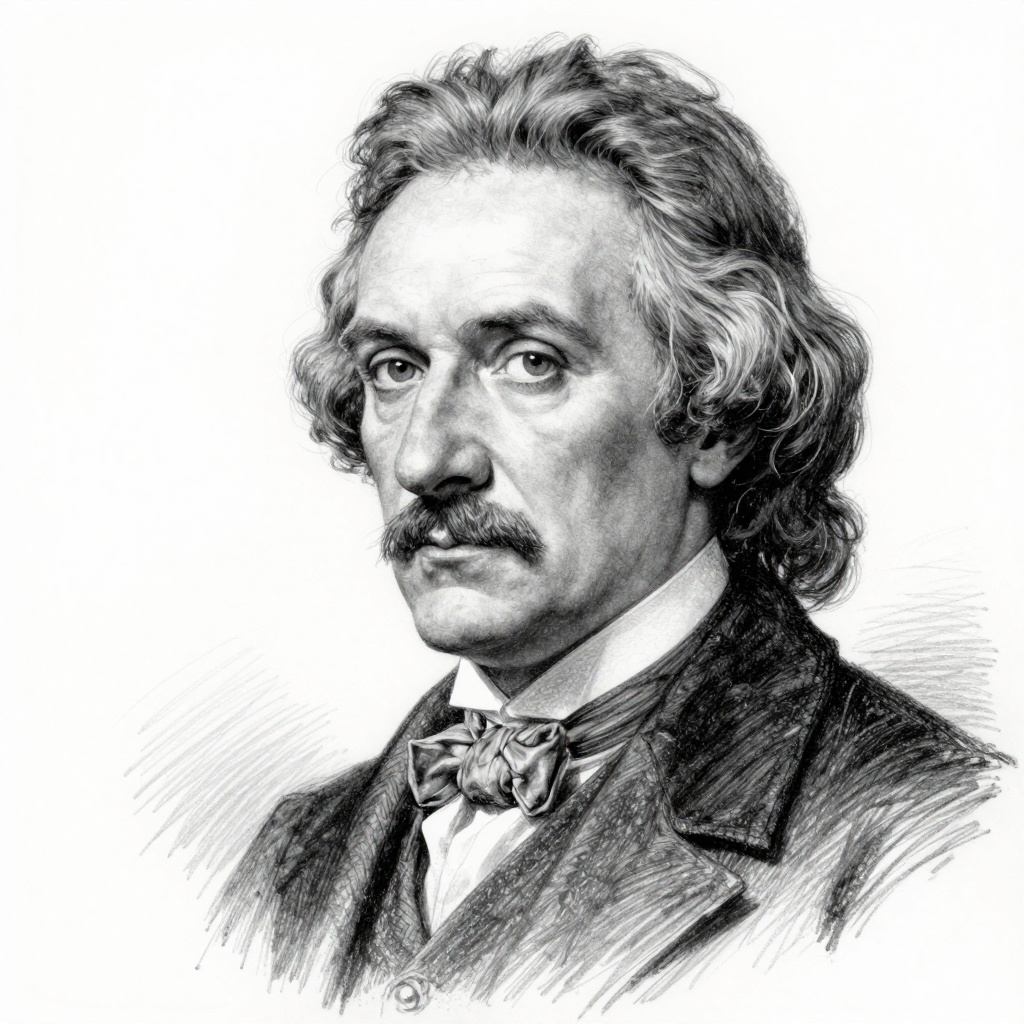
Arthur Schopenhauer
1788–1860·lived 72 years
Arthur Schopenhauer was a German philosopher known for his pessimistic philosophy that emphasized the inherent suffering of existence. He is renowned for his work "The World as Will and Representation," which had a significant influence on 19th-century philosophy and later existential thought.
Also by Arthur Schopenhauer
The shortness of life, so often lamented, may perhaps be the very best thing about it.
Comments