Quote · Added 14 February 2026
Whosoever is delighted in solitude is either a wild beast or a god.
AristotleNicomachean Ethics, Book IX, 350 BC
Quote · Added 14 February 2026
There's a useful tension hiding in this old observation. Aristotle wasn't saying solitude itself is wrong—he was pointing out that our relationship with being alone reveals something fundamental about us. Most people fall somewhere in the middle: we need solitude to think, create, or simply rest, but we also need other people. We're social creatures wired for connection.
What makes this quote stick today is how it cuts through the modern either-or debate about introversion and extroversion. Someone who genuinely loves solitude isn't necessarily broken or antisocial. But Aristotle's real insight is sharper: if you delight in it—if you're truly happy in isolation—you're operating outside normal human equilibrium. You're either running on something animal and instinctive, or you've transcended ordinary human need entirely (which is his diplomatic way of saying you're probably not real). Most of us who claim to be introverts still crave meaningful connection; we just want it on our own terms and schedule.
The useful part for today is recognizing the difference between choosing solitude and being unable to handle anything else. One is wisdom; the other might be worth examining.
d. 322
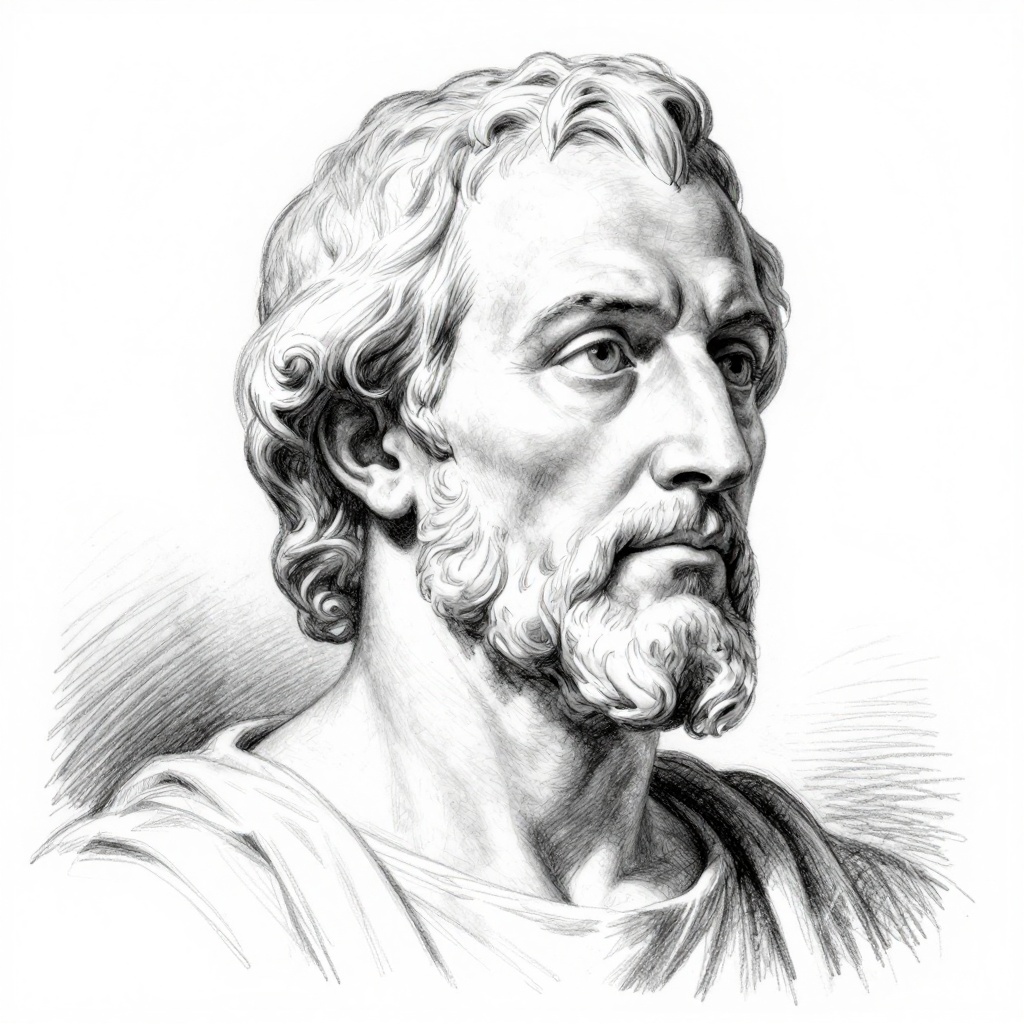
Aristotle was a Greek philosopher and polymath who lived from 384 to 322 BC. He is known for being one of the greatest thinkers in Western philosophy and for his contributions to a wide array of subjects including metaphysics, ethics, politics, biology, and logic. Aristotle was a student of Plato and the teacher of Alexander the Great.
Comments