Quote · Added 14 February 2026
Well begun is half done.
AristotlePolitics
Quote · Added 14 February 2026
There's something almost magical about starting well. When you begin a project with clarity—when you've thought through what you're actually trying to do and why—the rest feels lighter. Aristotle wasn't being mystical here; he was recognizing something practical that everyone discovers eventually: the quality of your beginning shapes everything that follows. A messy start means you'll spend half your energy fixing what you should have gotten right the first time.
What makes this wisdom tricky in real life is that beginnings often feel less important than they are. You want to just dive in, get something done, prove momentum. But starting without a plan or a clear intention is like trying to navigate with a broken compass. You'll wander further than you realize before noticing you're off course.
The sneaky part? "Well begun" doesn't mean perfect. It means honest. It means you've actually thought about what you're doing before you're doing it. Five minutes of real thinking before you start writing the email, having the conversation, or launching the project can genuinely cut your total effort in half. That's not because you work faster—it's because you work smarter, with fewer false starts and corrections.
d. 322
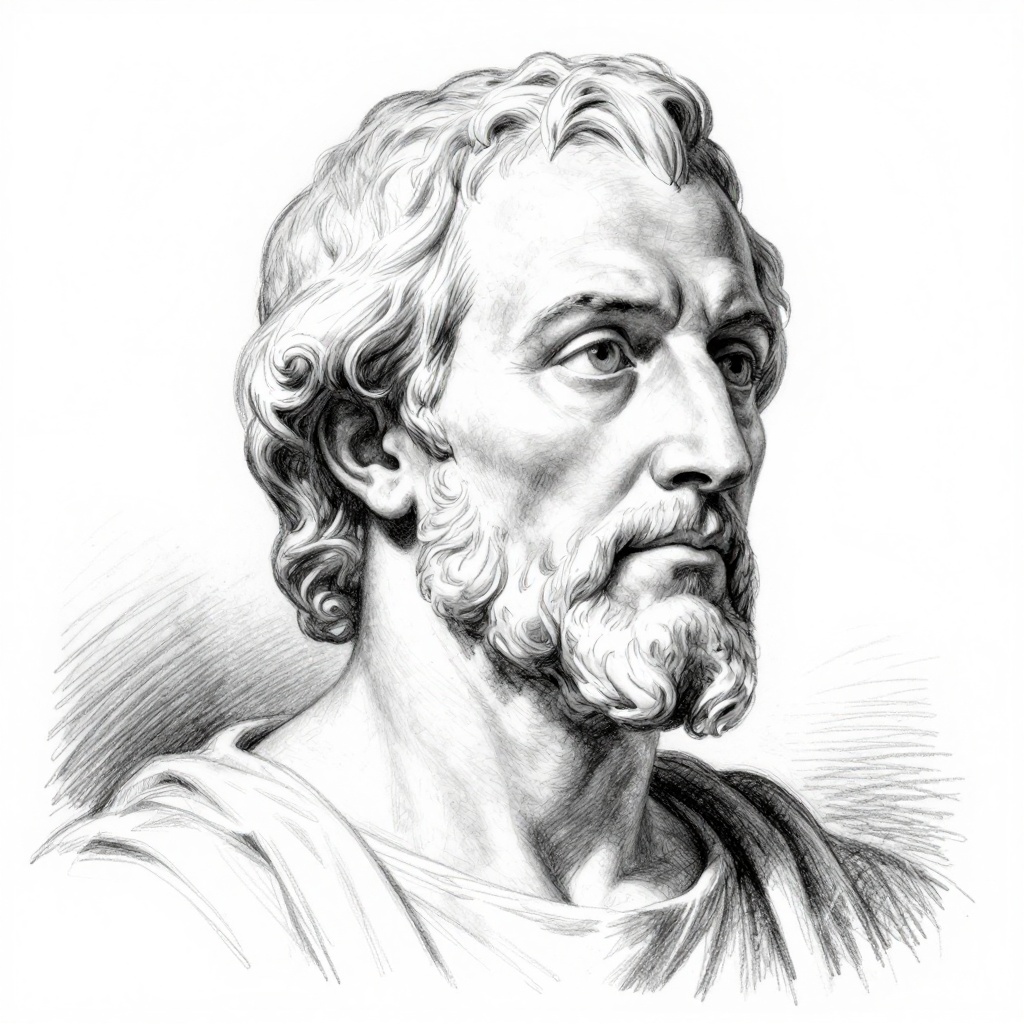
Aristotle was a Greek philosopher and polymath who lived from 384 to 322 BC. He is known for being one of the greatest thinkers in Western philosophy and for his contributions to a wide array of subjects including metaphysics, ethics, politics, biology, and logic. Aristotle was a student of Plato and the teacher of Alexander the Great.
Comments