Quote · Added 14 February 2026
We make war that we may live in peace.
AristotleNicomachean Ethics, Book 10, Chapter 7, Section 6
Quote · Added 14 February 2026
There's a peculiar logic we've inherited that says sometimes you have to fight for quiet. Aristotle was describing what feels like common sense on its surface—that conflict is sometimes necessary, that taking a stand protects what matters. And there's truth in that. You might argue with a friend precisely because you value the friendship. You might push back against an unfair situation to preserve your dignity. You might even accept a difficult period of work chaos knowing it leads to something more stable.
But the quote carries a hidden cost worth noticing. Once you accept that war creates peace, it becomes easier to justify the next conflict, and the next one. History shows us how readily this logic gets twisted—how leaders wage war claiming it's the only path to stability, or how we manufacture small conflicts in our relationships, workplaces, and communities under the banner of preventing worse ones. The trick is knowing the difference between necessary resistance and unnecessary destruction dressed up as protection.
The real skill isn't deciding whether to fight. It's being ruthlessly honest about whether the particular battle you're choosing will actually lead to the peace you claim to want. Because sometimes we just call our aggression self-defense and never check if it's true.
d. 322
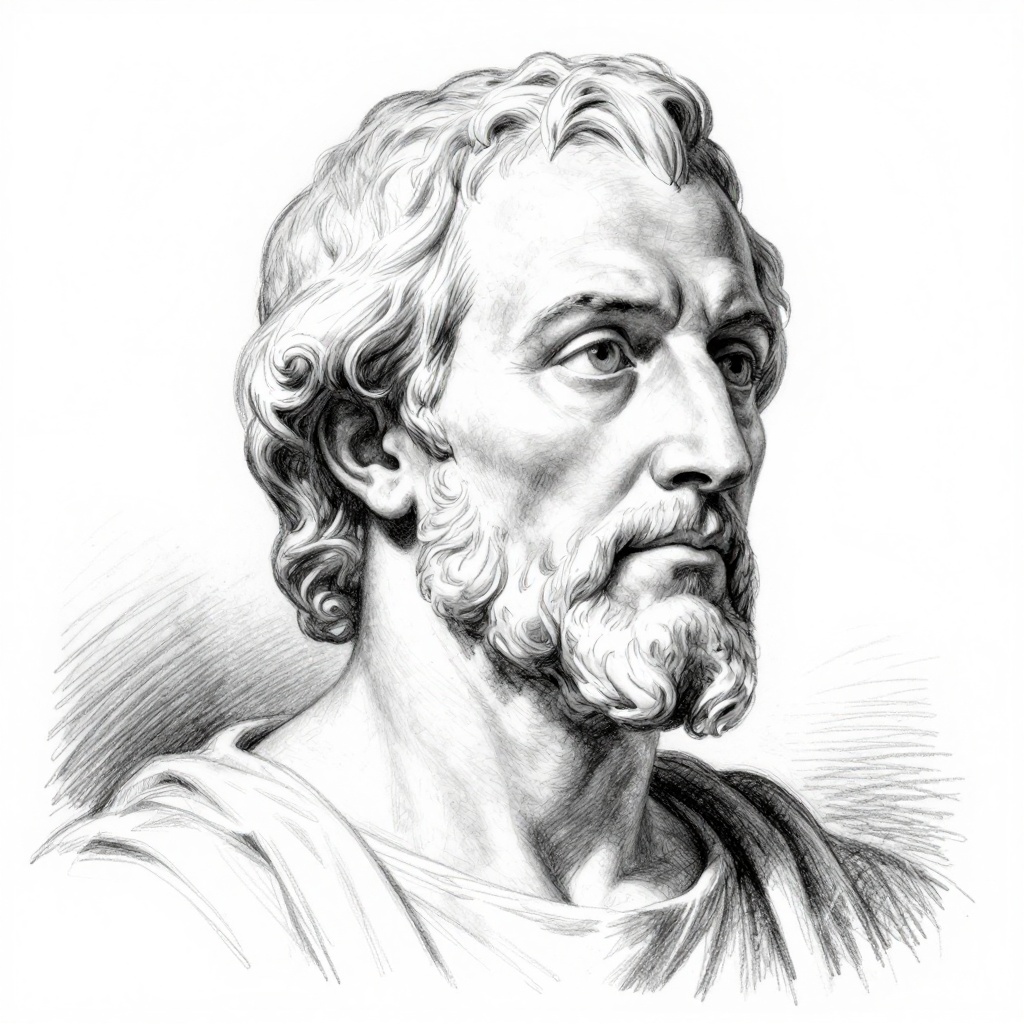
Aristotle was a Greek philosopher and polymath who lived from 384 to 322 BC. He is known for being one of the greatest thinkers in Western philosophy and for his contributions to a wide array of subjects including metaphysics, ethics, politics, biology, and logic. Aristotle was a student of Plato and the teacher of Alexander the Great.
Comments