Quote · Added 14 February 2026
The whole is more than the sum of its parts.
AristotleMetaphysics, 1025a, 350 BC
Filed underwhole·unity·perspective
Quote · Added 14 February 2026
Filed underwhole·unity·perspective
When you're stuck on a problem—whether it's planning a project, fixing a relationship, or just feeling overwhelmed—we tend to break everything down into pieces. We list tasks, analyze individual issues, identify separate problems. And sure, that clarity helps. But Aristotle's point cuts deeper: a orchestra isn't just violins plus cellos plus drums. It's something entirely different when they play together. A meal isn't just ingredients sitting on a plate. A team isn't just individuals doing their jobs separately.
The non-obvious part? We often spend so much energy optimizing individual pieces that we accidentally damage the whole. You can hire the "best" person for a role and watch a team dynamic fall apart. You can eat perfectly healthy ingredients in isolation but never actually cook together. The magic—the thing that actually works—emerges from how things interact, not from perfecting each component in isolation.
This matters now more than ever because we live in an age of lists, metrics, and breaking things into measurable parts. But the moments that actually matter—creativity, trust, meaning, joy—they don't show up in the data. They live in the spaces between, in how everything connects. Sometimes fixing the whole means stepping back from optimizing the pieces.
d. 322
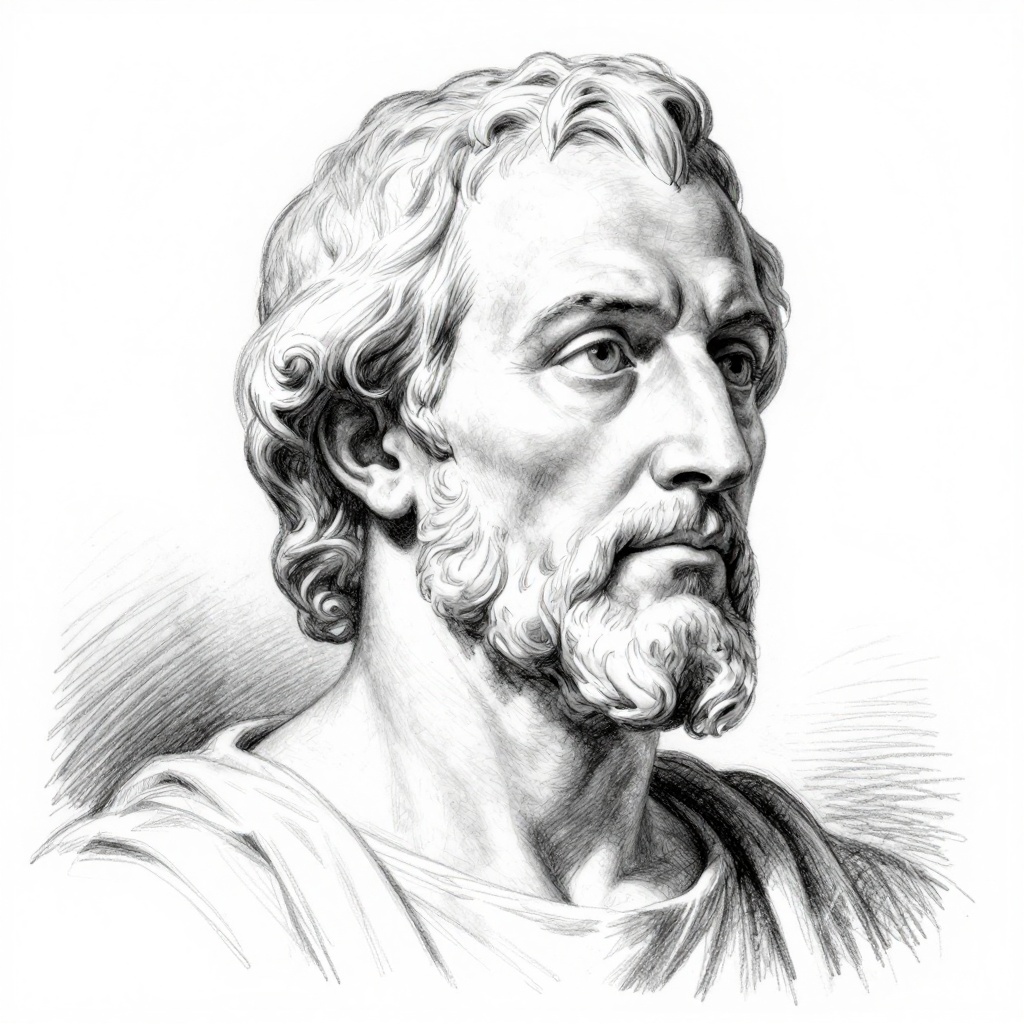
Aristotle was a Greek philosopher and polymath who lived from 384 to 322 BC. He is known for being one of the greatest thinkers in Western philosophy and for his contributions to a wide array of subjects including metaphysics, ethics, politics, biology, and logic. Aristotle was a student of Plato and the teacher of Alexander the Great.
Comments