Quote · Added 14 February 2026
The law is reason, free from passion.
AristotleNicomachean Ethics, Book V, 350 BC
Filed underlaw·reason·objectivity
Quote · Added 14 February 2026
Filed underlaw·reason·objectivity
We live in an age of outrage, where passion often feels like the highest form of authenticity. But Aristotle was onto something about why systems need to stay separate from feeling. Laws aren't meant to punish whoever we're angriest at right now, or reward whoever makes us feel most inspired. When passion drives the rules, you get mob justice dressed up as principle—which works fine until you're the one on the wrong side of the mob.
This doesn't mean law should be cold or disconnected from human concerns. It means the reasoning behind a law should survive the moment when emotions flare. A good rule should work the same way whether you're having a good day or a terrible one, whether the person being judged is someone you like or someone you despise. That's the hard part. It's easier to get swept up and decide that this specific case, this one time, deserves an exception. But exceptions carve out holes, and people fall through them.
The tricky angle here is that reason itself can masquerade as passion. We tell ourselves we're being logical when we're actually just dressing up what we want to believe. Real impartial thinking requires noticing when our feelings are doing the steering, even when they feel justified. That's harder than following rules—it means checking yourself.
d. 322
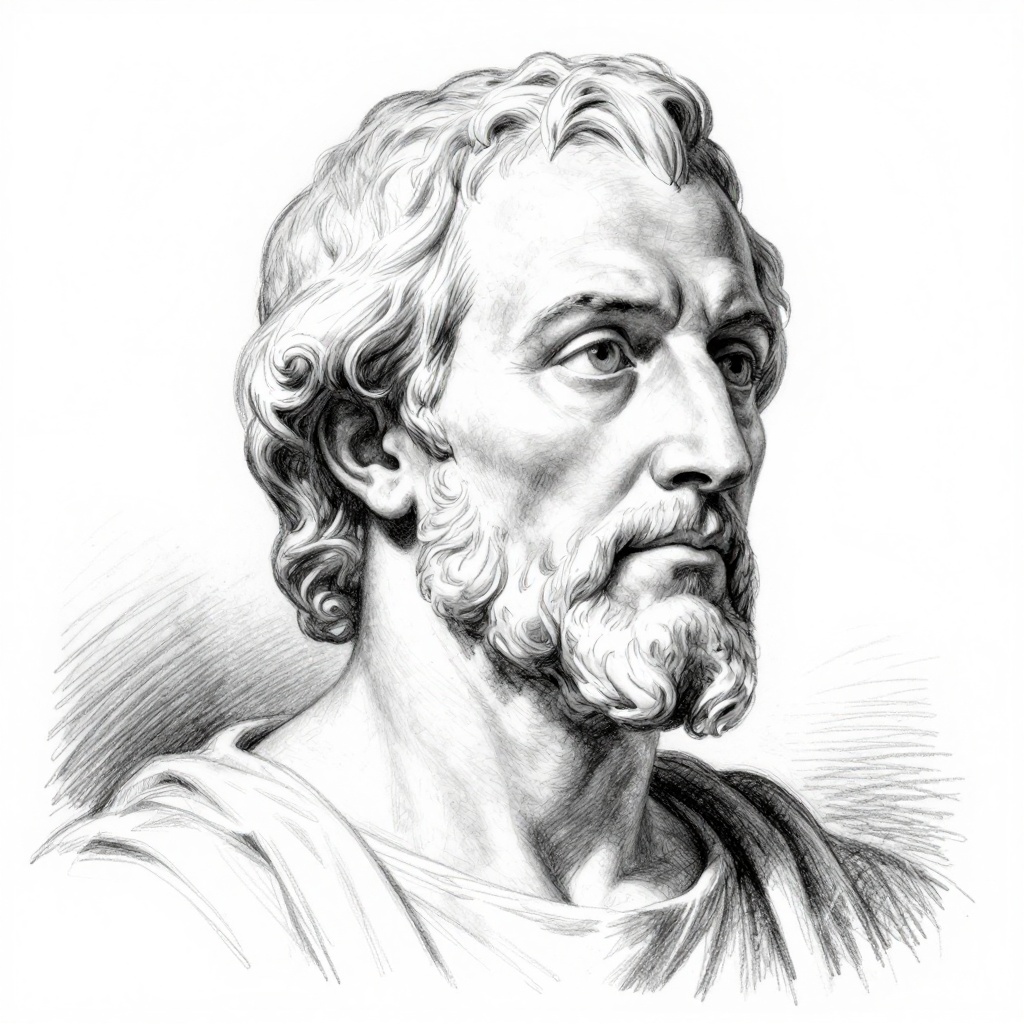
Aristotle was a Greek philosopher and polymath who lived from 384 to 322 BC. He is known for being one of the greatest thinkers in Western philosophy and for his contributions to a wide array of subjects including metaphysics, ethics, politics, biology, and logic. Aristotle was a student of Plato and the teacher of Alexander the Great.
Comments