Quote · Added 14 February 2026
Republics decline into democracies and democracies degenerate into despotisms.
AristotleComplete Works of Aristotle, Volume 2: The Revised Oxford Translation, p. 2031, 2014
Quote · Added 14 February 2026
This ancient observation keeps nagging at us because it captures something real about how power shifts when people stop paying attention. Aristotle wasn't being cynical—he was watching a pattern. When a republic (rule by law and representatives) works well, people get comfortable. They stop showing up to vote, stop questioning their leaders, assume the system will take care of itself. That comfort is exactly when democracy can start to rot.
The tricky part is that democracy itself isn't the problem—the degeneration happens when democratic freedoms get weaponized by someone promising to solve all our problems if we just give them more power. We've seen this movie before and after Aristotle: give one person enough emergency authority, enough public anger to justify it, and suddenly laws don't apply to them anymore. The scary part isn't that this is inevitable, but that it happens so gradually that people barely notice until it's done.
The real insight here is that freedom isn't passive. A democracy doesn't degenerate because the system is flawed—it degenerates because maintaining it requires constant, boring work: staying informed, voting in local elections, questioning authority even when things seem fine. The moment we treat democracy like something that runs itself is the moment it starts to slip away.
d. 322
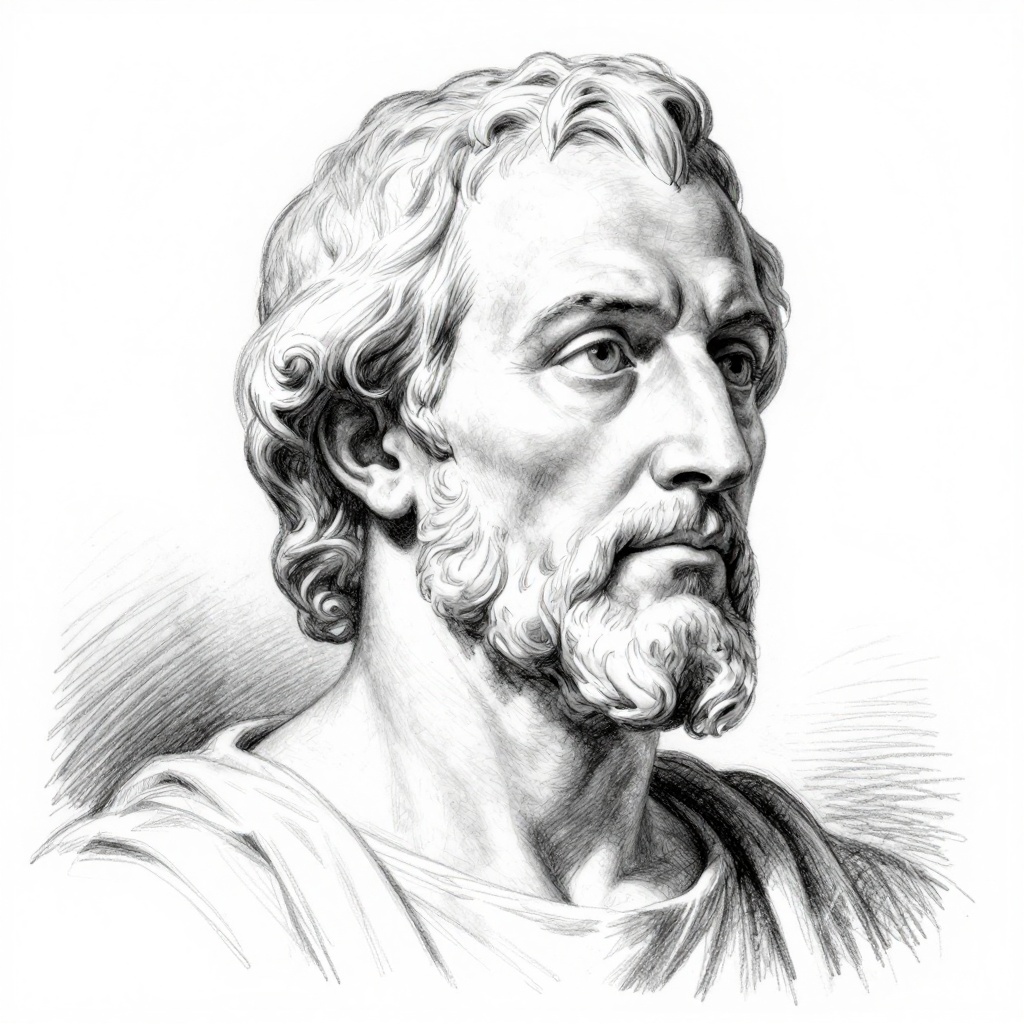
Aristotle was a Greek philosopher and polymath who lived from 384 to 322 BC. He is known for being one of the greatest thinkers in Western philosophy and for his contributions to a wide array of subjects including metaphysics, ethics, politics, biology, and logic. Aristotle was a student of Plato and the teacher of Alexander the Great.
Comments