Quote · Added 10 February 2026
Quality is not an act, it is a habit.
AristotleNicomachean Ethics, Loeb Classical Library, 1926
Filed underquality·habit·consistency
Quote · Added 10 February 2026
Filed underquality·habit·consistency
We often think of quality as something we summon for important moments—the presentation that matters, the meal we're cooking for guests, the email to someone we're trying to impress. But Aristotle is pointing at something subtler: excellence isn't a performance you turn on. It's what you do when nobody's watching, which then becomes what you do when someone is.
The habit part is what sticks with us today. If you cut corners on small things—a sloppy text, a half-hearted task, a rushed conversation—you're not just compromising that one moment. You're training yourself to be someone who cuts corners. Conversely, people who produce genuinely good work usually aren't flexing their best self selectively. They've built routines where quality is the path of least resistance. A musician who practices scales daily, a parent who shows up present even on exhausting days, a coworker who documents things properly even when they could get away with messiness—they're not expending extra willpower each time. They've made excellence ordinary.
The uncomfortable implication is that there's no quick fix to being better. You can't decide to "be quality" next month. You become it through the small choices you repeat today.
d. 322
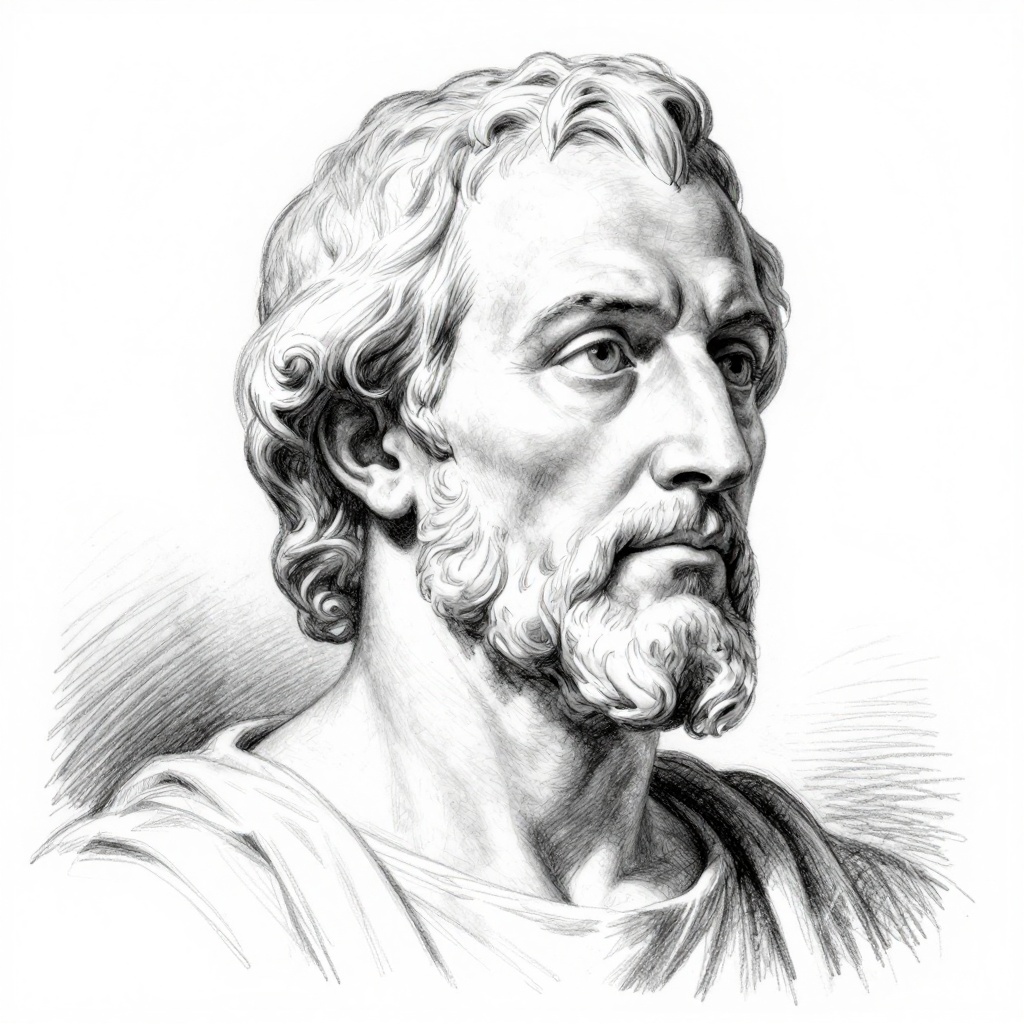
Aristotle was a Greek philosopher and polymath who lived from 384 to 322 BC. He is known for being one of the greatest thinkers in Western philosophy and for his contributions to a wide array of subjects including metaphysics, ethics, politics, biology, and logic. Aristotle was a student of Plato and the teacher of Alexander the Great.
Comments