Quote · Added 14 February 2026
Personal beauty is a greater recommendation than any letter of reference.
AristotleLives of the Philosophers
Filed underbeauty·value·recommendation
Quote · Added 14 February 2026
Filed underbeauty·value·recommendation
There's something unsettling about this observation because we want to believe merit and character matter most. Yet we all know the subtle power of first impressions—how a warm smile, genuine eye contact, or someone who just seems to have their life together can open doors that a stack of qualifications might not. Aristotle wasn't being shallow; he was naming something real about human nature that we spend a lot of energy pretending doesn't exist.
The tricky part is that "personal beauty" here means more than just physical looks. It includes presence, confidence, the way someone carries themselves through a room. It's the person who seems at ease in their own skin versus someone brilliant but visibly uncomfortable. That quality—call it charisma or authenticity or magnetism—does real work in the world. Employers, collaborators, even strangers unconsciously trust it.
This doesn't mean we're doomed to judge only what's visible. It means recognizing that how we show up matters as much as what we know. Taking care of yourself, investing in presence rather than just credentials, learning to be genuinely comfortable with other people—these aren't frivolous. They're part of how we actually get heard and believed. The uncomfortable truth is that the person who looks like they belong somewhere often does, if only because others let them.
d. 322
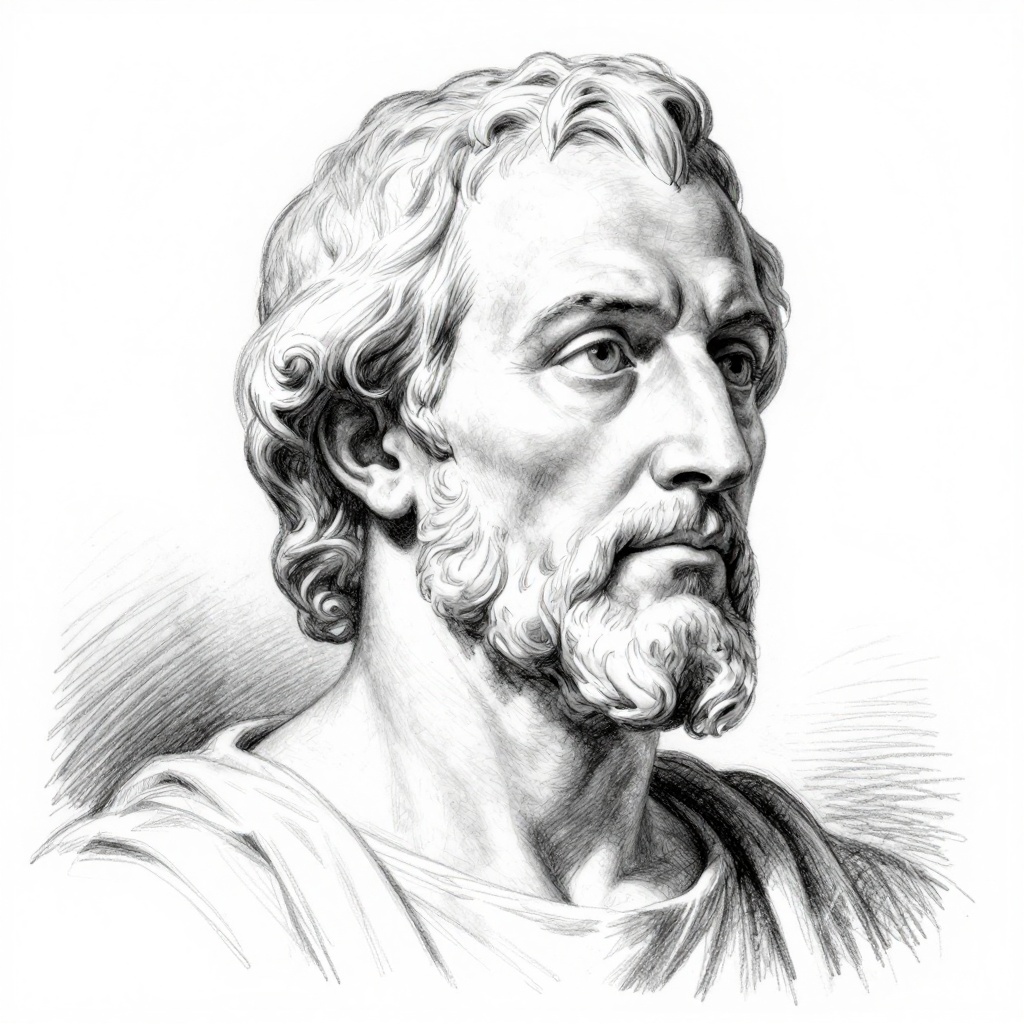
Aristotle was a Greek philosopher and polymath who lived from 384 to 322 BC. He is known for being one of the greatest thinkers in Western philosophy and for his contributions to a wide array of subjects including metaphysics, ethics, politics, biology, and logic. Aristotle was a student of Plato and the teacher of Alexander the Great.
Comments